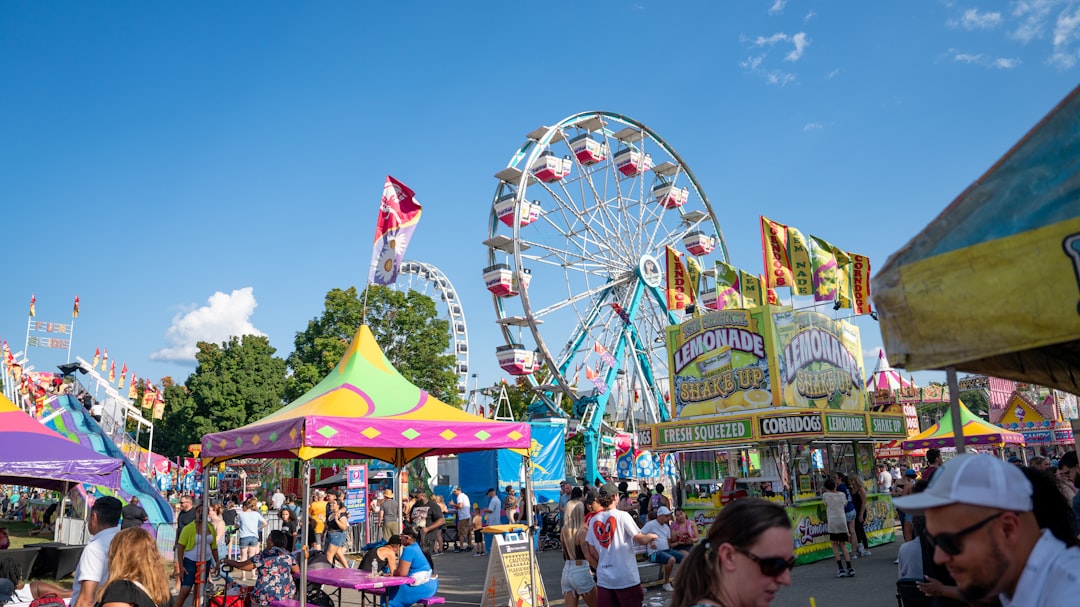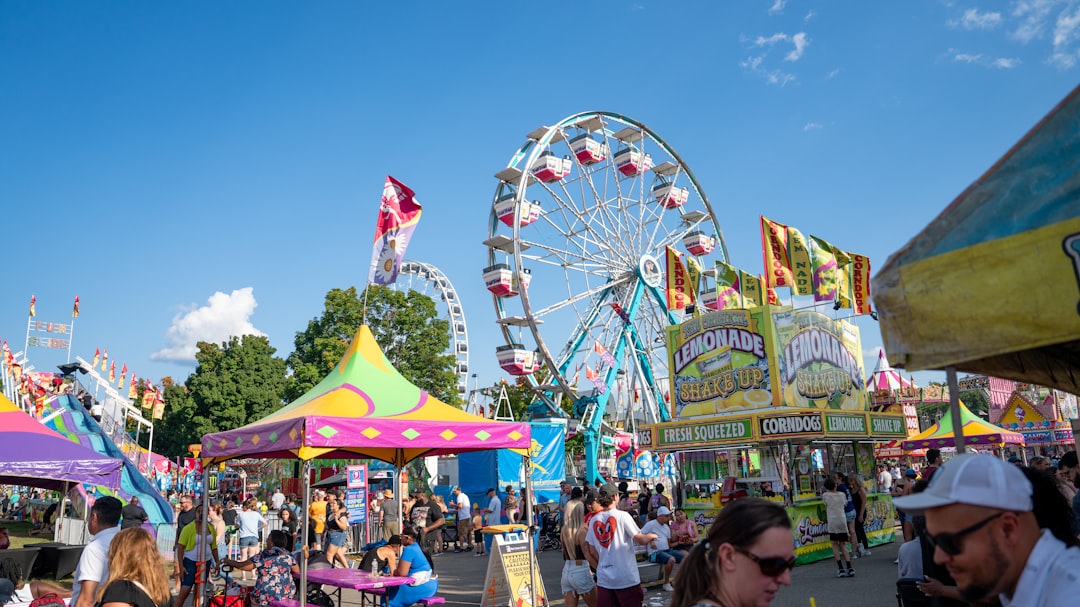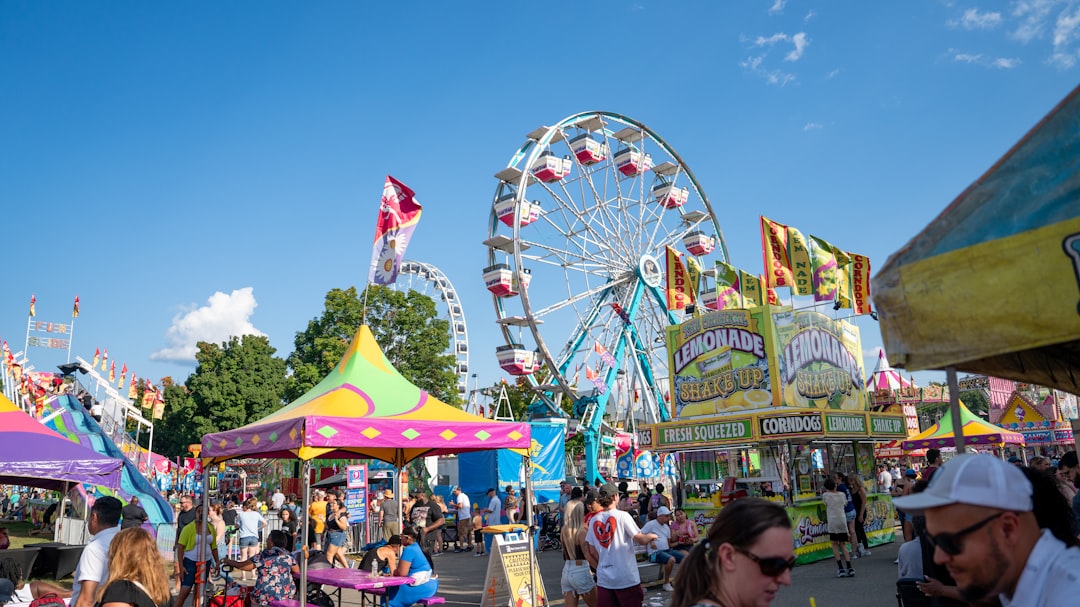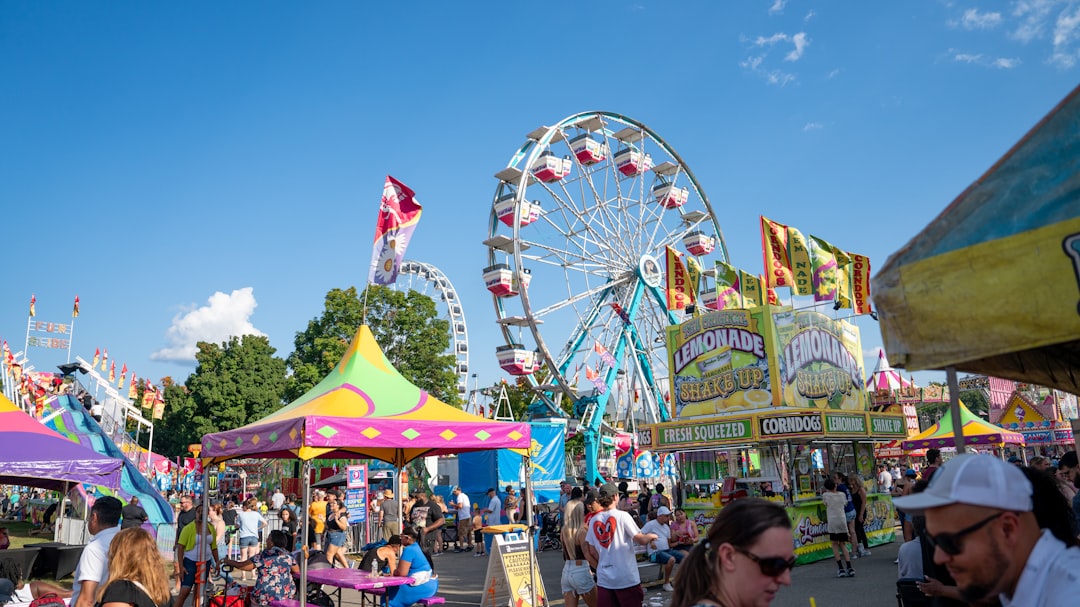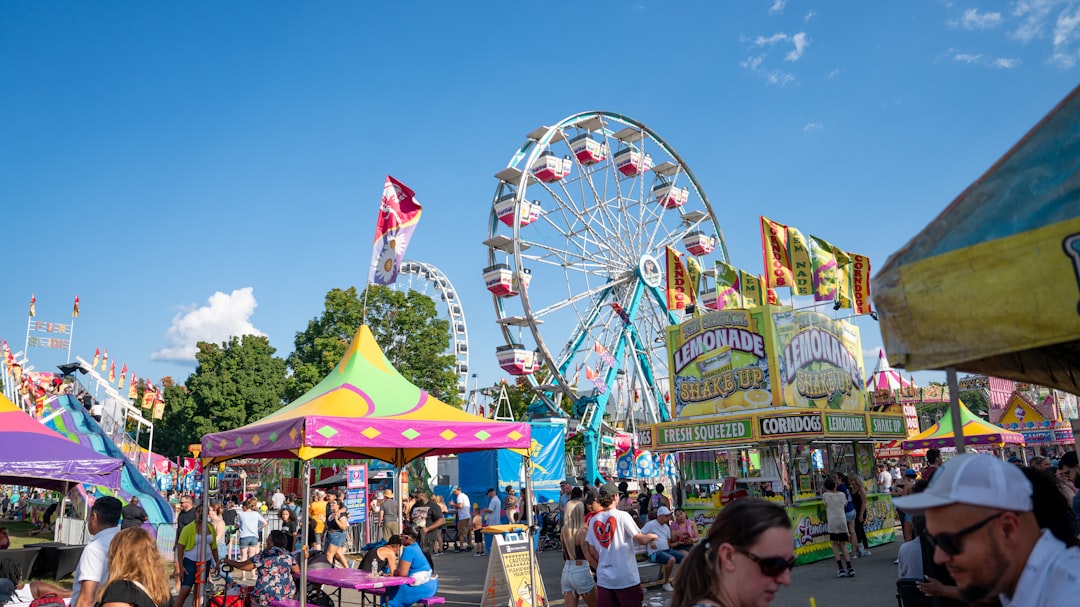
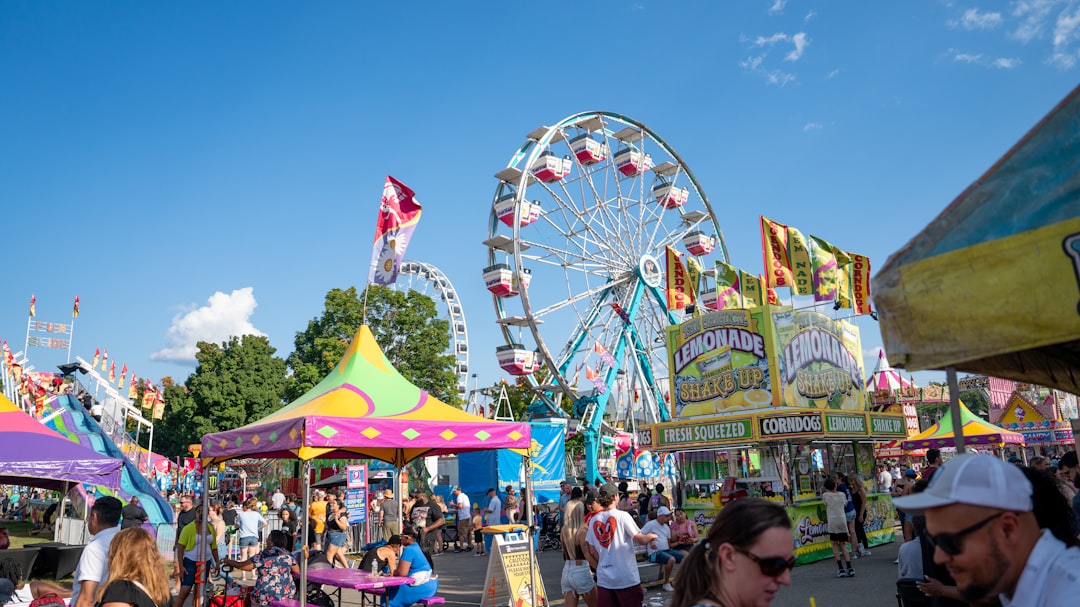
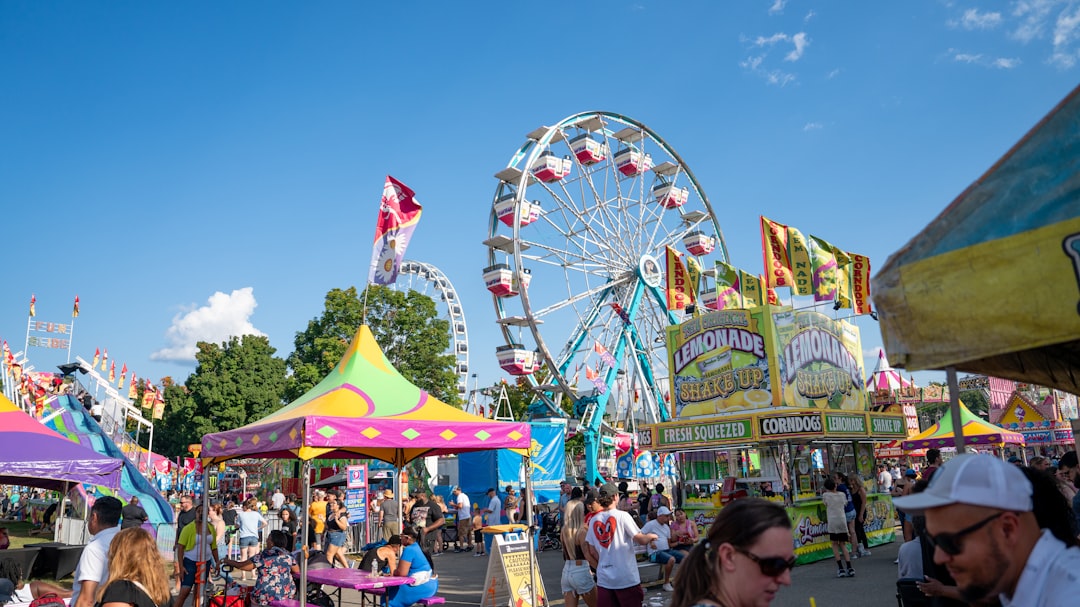
gamescom is the largest event in the games industry, and exhibiting there is unlike exhibiting anywhere else on the European calendar. The 2026 edition runs 26 to 30 August 2026 at Koelnmesse in Cologne, drawing around 1,500 exhibiting companies and more than 335,000 visitors across roughly 230,000 square metres.
What makes gamescom a distinct exhibiting problem is that it is two fairs in one building: a business fair for trade visitors and a consumer festival for the public. Building a stand that works for both is the central challenge, and this guide covers what it costs, how the two-zone structure shapes the build, and the operational decisions that make or break a gamescom presence.
The two-zone structure and why it matters
gamescom is split into a business area, where trade visitors, press and developers do deals and preview products, and an entertainment area, where the public plays games and experiences brands. These are fundamentally different environments, and the organiser’s rules reflect that: booking stand space in the business area requires also booking in the entertainment area, so most exhibitors of any size have a presence in both.
The two zones demand almost opposite stand designs. The business-area stand is a meeting environment, closer to a conventional B2B trade-fair stand with meeting rooms, demo pods and press space. The entertainment-area stand is a consumer attraction, built for very high public footfall, queues, playable demos, stage areas and brand spectacle.
A design that suits one is wrong for the other, and exhibitors who fail to plan for both ends up either with a business stand overwhelmed by the public or a consumer stand with nowhere to do business.
“gamescom asks you to run a trade show and a public festival at the same time, in the same building, for the same brand. The exhibitors who struggle are the ones who design one stand and hope it stretches to cover both jobs. It never does.”
This structural point drives most of the cost and complexity. An exhibitor is effectively budgeting, designing and staffing two different stands with two different purposes, and the entertainment-area build in particular carries requirements, crowd management, durability, rigging for large features, that push it toward the more expensive end of stand construction.
The venue: exhibiting at Koelnmesse
gamescom fills much of the Koelnmesse grounds in Cologne, one of Europe’s major fairgrounds with around 284,000 square metres across eleven halls. The venue’s own on-site ICE railway station is the fastest single transfer of any major European exhibition venue, which matters at a fair drawing more than 300,000 visitors, and Kuehne+Nagel serves as the official on-site forwarder.
Our Koelnmesse venue guide covers the halls, ceiling clearances, logistics and forwarder arrangements in detail, and our Cologne city guide covers the wider practicalities of exhibiting in the city.
During gamescom week, Cologne is overrun with hundreds of thousands of visitors, and the consumer-day crowds around the entertainment halls are among the most intense at any European fair. For exhibitors, this means load-in, build-up and dismantle run to a tightly managed venue schedule, and the entertainment-area builds in particular have to be engineered for the physical stress of days of heavy public traffic.
Our enriched gamescom fair guide sets out the fair-level detail that complements this exhibitor-focused guide.
The business area in more detail
It is easy to focus on the entertainment-area spectacle and treat the business area as an afterthought, but for many exhibitors the business area is where the fair actually pays for itself. This is where publishers meet platform holders, developers meet publishers, and the deals that shape the industry’s next year get advanced.
The business-area stand is a professional B2B environment, and it should be designed with the same meeting-capacity discipline as any trade fair: enough private and semi-private meeting space to run a full schedule of appointments across the trade days.
The business area also hosts a substantial developer and press contingent, and exhibitors who have news to break or products to preview build press and presentation capacity into the stand. For a studio or publisher, the business-area agenda is a dense calendar of pre-arranged meetings, and the stand’s job is to host them efficiently and confidentially.
An exhibitor who nails the entertainment spectacle but neglects the business-area meeting capacity has optimised for visibility at the expense of the deals that justify the whole exercise.
There is a sequencing point worth understanding. The trade and press days set the tone before the public days begin, so a strong business-area showing early in the week builds the momentum that the consumer spectacle then amplifies. Exhibitors who plan the week as a sequence, business first, public second, and design each stand for its moment, get more from both than those who treat the two zones as unrelated.
What a gamescom stand costs in 2026
gamescom stand costs vary enormously because the entertainment-area builds range from modest playable-demo stands to the multi-storey brand spectacles that major publishers commission.
The figures below reflect the European per-square-metre build benchmark we maintain across contractors, expressed as the stand build cost before space rental, and are consistent with the ranges in our Europe stand cost matrix.
| Stand tier | Typical use at gamescom | Indicative build cost (EUR per sqm) |
|---|---|---|
| Business-area custom | Trade meeting stands, demo and press space | 600 to 1,100 |
| Entertainment standard | Playable-demo stands, mid-size consumer builds | 900 to 1,600 |
| Entertainment flagship | Multi-storey publisher stands, stage and spectacle | 1,600 to 3,000+ |
The entertainment-area premium is real and worth understanding. A consumer stand built for heavy footfall needs durable flooring that survives days of foot traffic, robust barriers and queue management, tall and structural signage that reads across a crowded hall, and often rigging for large hanging features and stage lighting. All of that costs more per square metre than a business-area meeting stand of the same size, before any interactive or AV content is added.
| Line item | What drives it at gamescom |
|---|---|
| Space rental | Charged per sqm; business and entertainment areas both required |
| Entertainment build robustness | Durable materials for heavy public footfall |
| Rigging and structures | Large features and stages need structural sign-off |
| Interactive and AV content | Playable stations, screens, sound, all with power and data |
| Queue and crowd management | Barriers, flow design, sometimes staffing for safety |
| Staffing | Trade staff in business area, larger public-facing team in entertainment |
“The entertainment hall is where the budget goes and where the reputational risk lives. A consumer stand that looks tired by day three, or that cannot handle its own queues safely, does more brand damage than not exhibiting at all. Build it for the crowd, not for the photo.”
For exhibitors weighing the investment, gamescom is a brand-and-community fair as much as a sales one, so the return is measured partly in trade deals from the business area and partly in consumer engagement, press coverage and community sentiment from the entertainment area. That dual return justifies the dual cost, but only if both stands are planned as deliberate investments rather than one being an afterthought of the other.
Planning for prime hall positions
Because gamescom’s entertainment halls are where the public spectacle happens, prime positions in those halls are limited and allocated early. A publisher wanting a flagship stand in a headline hall has to commit far ahead, both to secure the position and to allow the long design-and-build lead time that a large consumer spectacle requires. Exhibitors who leave gamescom planning late find the best positions gone and the build timeline compressed.
The business-area positions follow a different logic, closer to a conventional trade fair, where proximity to relevant press and partner stands matters more than raw footfall. An exhibitor planning both zones has to think about placement in both, which is another reason gamescom rewards early, deliberate planning over a single late decision.
The operational timeline and build complexity
gamescom runs at the end of August, which places design and contracting through the spring and early summer. For a flagship entertainment-area build, the timeline is longer than a typical trade-fair stand because the consumer spectacle involves more custom fabrication, more rigging and more interactive content to develop and test.
A realistic countdown runs from confirming space and zones roughly nine to twelve months out, through locked design and confirmed rigging and services at six months, to graphics, interactive content and staffing at three months, and installation and full testing during build-up week.
The testing step is critical at gamescom in a way that goes beyond most fairs. Playable demos, interactive stations and stage technology all have to work under continuous heavy use from the first consumer hour, and a build that has not been fully commissioned and stress-tested before doors open will fail publicly in front of the largest and most vocal audience in the industry.
Our stand-build timeline guide sets out the countdown, and the general principle at gamescom is to protect the testing window ruthlessly.
Staffing two stands at once
Staffing gamescom means staffing two different operations. The business-area stand needs trade and press-facing staff, business-development people and product specialists who can hold professional meetings. The entertainment-area stand needs a larger public-facing team: demo staff, brand ambassadors, queue managers and often people whose job is simply to keep a high-energy consumer experience running smoothly and safely across long days.
The public-facing team in particular is larger than exhibitors expect, because managing queues, running playable stations and maintaining energy across five days of intense footfall is demanding work that cannot be done by a skeleton crew.
Underestimating the entertainment-area staffing is a common and visible failure, because an understaffed consumer stand looks chaotic to exactly the audience the brand is trying to impress.
Our stand staffing guide covers the planning, though gamescom’s consumer scale is at the upper end of what most exhibitors staff for.
Freight and the interactive-technology problem
gamescom stands carry a freight profile that few other fairs share. The entertainment-area builds are full of gaming hardware, PCs, consoles, screens, sound systems and custom interactive rigs, much of it valuable, delicate and configured specifically for the show. Getting that equipment to Cologne, cleared through customs where relevant, installed and fully working before the first consumer walks in is a substantial logistics exercise in its own right, on top of the physical stand build.
For exhibitors travelling from outside the customs union, the temporary import of gaming and demonstration hardware needs to be planned correctly, because a shipment of consoles and PCs that clears customs late leaves no room to configure and test before doors open.
Our ATA Carnet cost guide covers the per-country fees, and our customs decision matrix works through which route fits a hardware-heavy shipment.
Koelnmesse’s on-site ICE station and Kuehne+Nagel forwarding, covered in our Koelnmesse venue guide, ease the logistics, but the dock schedule during gamescom week does not flex for a late shipment.
“The single most avoidable gamescom failure is the demo that isn’t ready on the first morning. Hundreds of thousands of people, and a very online audience, will see it. The fix is boring and non-negotiable: get the hardware in early and test every station under load before the doors open.”
The practical rule is to treat the interactive-technology setup as a project that runs in parallel with the physical build and finishes before it, not after. A stand that is physically complete but whose demos are still being configured on the opening morning has left the most important part of the job until the worst possible moment.
Measuring a brand-and-community fair
Measuring gamescom is harder than measuring a pure trade fair, because much of its value is intangible: brand exposure, community sentiment, press coverage and the goodwill of players who queued to try a game. Reducing that to a single number understates it, but exhibitors still need a way to judge whether the substantial investment paid back.
The honest approach is to measure gamescom on both of its axes separately. The business-area return is conventional and countable: qualified trade conversations, deals advanced, press meetings held.
The entertainment-area return is measured differently, through metrics like the number of players who experienced a demo, social and community reach generated during the week, press coverage earned, and shifts in sentiment among the audience the brand cares about.
Setting those measurement goals before the fair, and instrumenting the stand to capture them, is what turns gamescom from an expensive act of faith into a measurable investment. Our wider exhibition strategy guides cover the attribution methods, and the principle is to define what a successful gamescom looks like in advance rather than rationalising it afterward.
There is a longer-term dimension too. For games companies, gamescom sentiment feeds directly into launch momentum and community loyalty, so a strong showing pays back over the months that follow, not just during the week. That makes the case for treating gamescom as a strategic brand investment with a multi-month payback horizon, judged over that horizon rather than on the immediate week alone.
The bottom line for gamescom exhibitors
gamescom rewards exhibitors who accept that they are running two fairs at once and plan, budget and staff accordingly. The business area is a conventional B2B stand; the entertainment area is a consumer attraction that has to be built robustly, positioned early and staffed generously.
The cost is driven by the entertainment-area spectacle and its rigging, durability and interactive content, and the return spans both trade deals and community engagement.
Exhibitors who choose a builder with genuine Koelnmesse and large-consumer-build experience, lock prime positions early, and protect the testing window treat gamescom as the singular opportunity it is: the one week when the entire games industry and its audience are in the same place.
Handled with that discipline, gamescom is one of the most valuable weeks a games company can invest in, because no other event combines this scale of trade access with this scale of direct audience contact. Handled as a single stretched stand or a late scramble for hall space, the same week becomes an expensive way to underdeliver in front of the industry’s most attentive audience. The difference is almost always in the planning, not the budget.
Exhibitors comparing gamescom against their wider strategy can browse our fair-participation guides, and companies ready to source a Cologne stand builder can start with the verified builder directory.
FAQFrequently asked questions
Yes. The organiser’s rules require that booking stand space in the business area also means booking in the entertainment area, so most exhibitors of any size have a presence in both. The two zones demand almost opposite designs: the business-area stand is a meeting environment with meeting rooms, demo pods and press space, while the entertainment-area stand is a consumer attraction built for very high public footfall.
Business-area custom stands for trade meetings, demo and press space run EUR 600 to 1,100 per sqm. Entertainment standard builds, playable-demo and mid-size consumer stands, run EUR 900 to 1,600. Entertainment flagship builds, multi-storey publisher stands with stage and spectacle, run EUR 1,600 to 3,000 and above. These are build costs before space rental.
gamescom 2026 runs 26 to 30 August 2026 at Koelnmesse in Cologne, drawing around 1,500 exhibiting companies and more than 335,000 visitors across roughly 230,000 square metres. Koelnmesse offers around 284,000 square metres across eleven halls, has its own on-site ICE railway station, and uses Kuehne+Nagel as the official on-site forwarder.
Get the hardware in early and test every station under load before the doors open. Treat the interactive-technology setup as a project that runs in parallel with the physical build and finishes before it. Consoles, PCs, screens, sound systems and custom rigs all need configuration and testing time, and the Koelnmesse dock schedule during gamescom week does not flex for a late shipment.