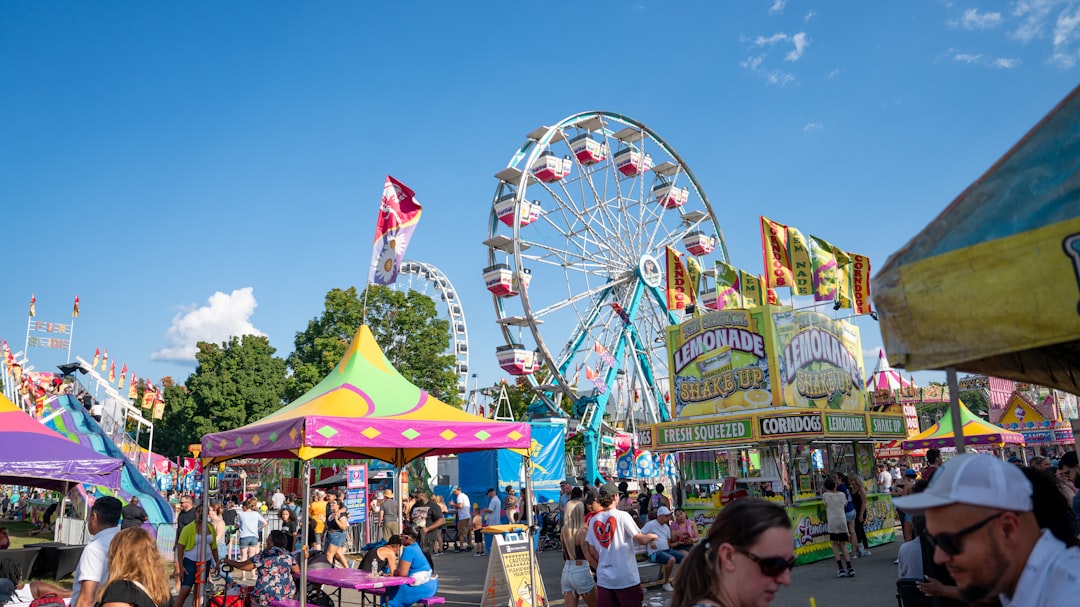
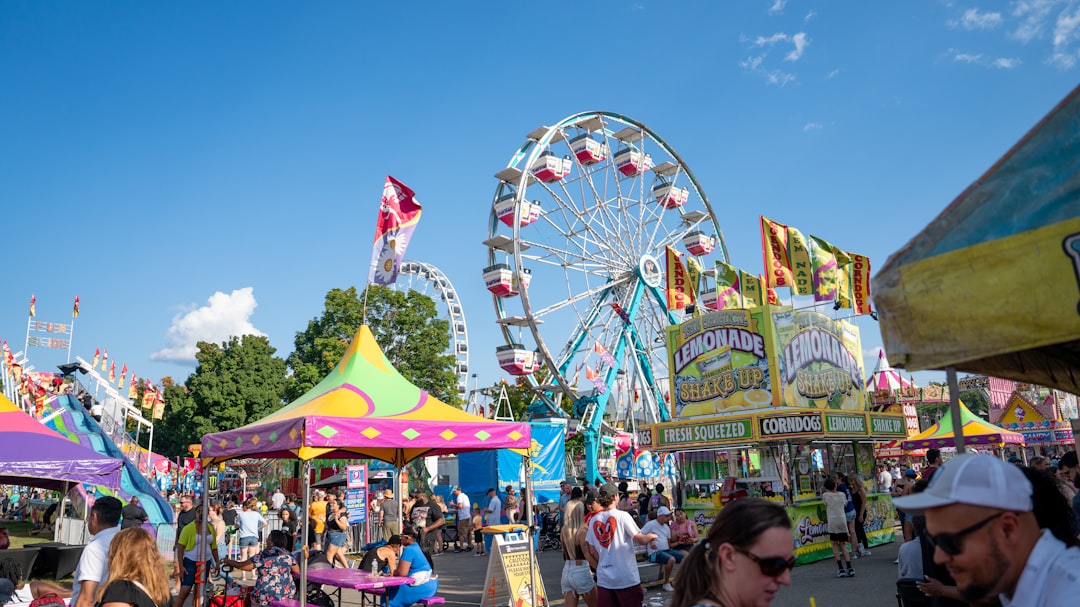
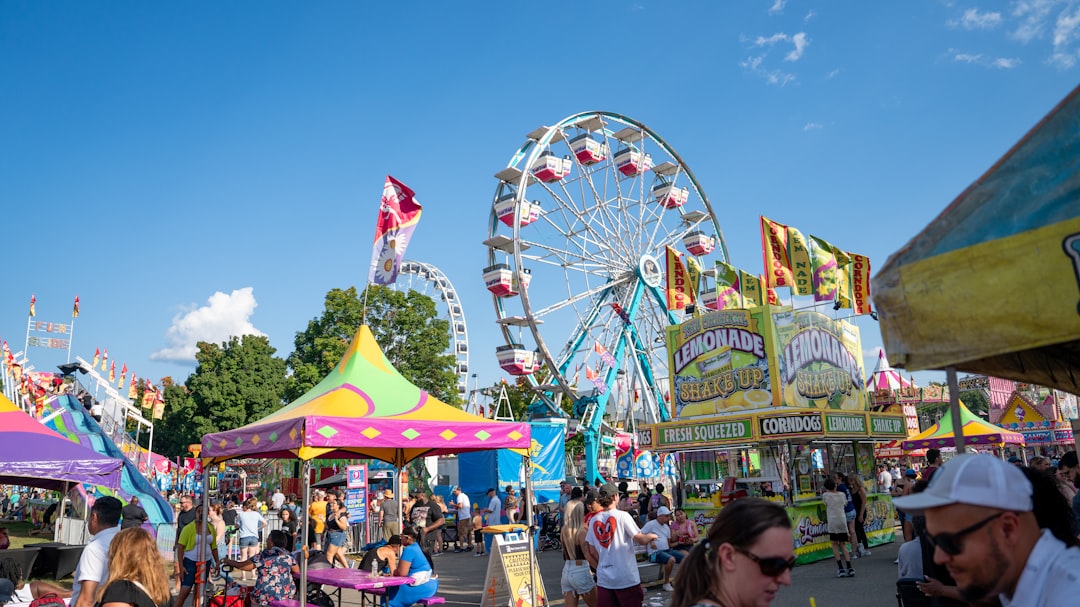
Fakuma is the leading technical trade fair for industrial plastics processing, and for companies in injection moulding, extrusion, tooling, materials and plastics recycling, it is the key selling event of the year. The 30th Fakuma runs 12 to 16 October 2026 in Friedrichshafen on Lake Constance, drawing more than 1,900 exhibitors and over 36,000 trade visitors and professionals.
Exhibiting at Fakuma is a machinery-and-technical discipline, and this guide covers what a stand costs, how the fair’s engineering focus shapes the build, and the operational realities plastics exhibitors need to plan around.
Why Fakuma is a machinery fair, not a marketing one
Fakuma’s defining characteristic is that a large share of exhibitors demonstrate working plastics-processing machinery live on their stands. Injection-moulding machines run, extrusion lines operate, and finished parts come off the machine in front of the visitor. The audience is technical, engineers, production managers, tool-makers and materials specialists, and they come to see machines run and to evaluate them for real purchasing decisions.
That inverts the usual stand-design priority in the same way an automation fair does. The stand is a working production environment first and a branded space second.
It needs the power, compressed air, water cooling and floor loading that running machinery demands, plus the safety provisions around live equipment and enough meeting space to move a qualified engineer from the demonstration into a technical conversation. The visible branding matters, but it is secondary to whether the machine on the stand runs reliably in front of the audience.
“At Fakuma the machine is the message. A plastics processor does not want a brochure about your injection-moulding machine, they want to watch it produce a part, cycle after cycle, without stopping. That single expectation drives the electrical load, the services and most of the stand design.”
The result is that Fakuma stands carry heavier technical requirements than a typical fair, and the exhibitors who plan for that succeed while those who treat it as a display fair struggle. Running machinery reliably for five days is an engineering task, and the stand has to be built to support it.
It is worth being clear that this applies across the exhibitor spectrum, not only to the headline machine builders. A tooling supplier, a materials producer or a process-technology vendor may not run a full injection-moulding machine, but even they tend to bring working samples, demonstration rigs or process equipment that carry their own services and safety requirements.
The common thread at Fakuma is that the product is technical and the audience wants to see it work, so even the smaller stands lean toward demonstration rather than pure display. An exhibitor who plans a Fakuma stand as if it were a graphics-and-brochure exercise has misread the fair.
The venue and the Friedrichshafen factor
Fakuma is held at Messe Friedrichshafen, a modern lakeside fairground on Lake Constance in southern Germany, near the borders with Switzerland and Austria. This location is distinctive: Friedrichshafen is a smaller city than the major fair hubs, which shapes the exhibiting experience in both helpful and challenging ways.
On the helpful side, the venue is modern and manageable, and the concentrated plastics-industry audience means Fakuma delivers a high density of relevant visitors without the sprawl of a mega-venue. On the challenging side, Friedrichshafen is a smaller city with limited accommodation, so hotel capacity fills early and the exhibitor team often stays in surrounding towns or across the border.
This is a genuine planning constraint that exhibitors used to big-city fairs sometimes underestimate. The venue’s technical rules on floor loading, power and rigging follow standard German requirements, and running heavy machinery makes the floor-load and electrical specifications especially important.
Because the fair is machinery-intensive, freight and installation are significant. Getting a multi-tonne injection-moulding machine to Friedrichshafen, positioned, connected and commissioned before the fair opens is a substantial logistics exercise, and the build-up schedule has to accommodate it.
Our shipping timeline guide covers the delivery-window discipline that heavy machinery demands.
What a Fakuma stand costs in 2026
Fakuma stand costs are shaped by the machinery requirement, which pushes most exhibitors toward substantial builds with heavy services rather than light display stands.
The figures below reflect the European per-square-metre build benchmark we maintain across contractors, expressed as the stand build cost before space rental, and are consistent with the ranges in our Europe stand cost matrix.
| Stand tier | Typical use at Fakuma | Indicative build cost (EUR per sqm) |
|---|---|---|
| Entry modular | Smaller suppliers, materials and tooling | 350 to 600 |
| Standard custom | Machinery demonstrators, mid-size stands | 600 to 1,100 |
| Premium custom | Major machine builders, large demo stands | 1,100 to 2,000+ |
The machinery focus adds cost drivers that a display fair does not carry. Beyond the stand build itself, running injection-moulding or extrusion equipment requires heavy electrical supply, cooling water, compressed air and waste handling, plus the freight and craneage to bring the machines in. For a major machine builder, the machinery logistics and services can rival or exceed the cost of the stand structure.
| Line item | What drives it at Fakuma |
|---|---|
| Space rental | Charged per sqm by the organiser |
| Heavy electrical supply | Running machinery draws continuous high load |
| Cooling water and compressed air | Required by processing equipment |
| Machine freight and craneage | Multi-tonne machines transported and positioned |
| Floor loading | Heavy equipment needs certified floor capacity |
| Staffing and travel | Technical staff plus scarce local accommodation |
“The cost that catches out first-time Fakuma exhibitors is everything around the machine, the power upgrade, the cooling water, the crane to place a machine that weighs several tonnes. Plan the machinery services and logistics first, because they set the constraints the rest of the stand has to work within.”
For exhibitors weighing the investment, Fakuma’s value is the concentration of the entire plastics-processing industry into one focused week, which produces a density of qualified technical conversations that a broader fair cannot. Our exhibition budget framework sets out how to model that return.
Freight, machinery and temporary import
Fakuma raises the same heavy-machinery freight challenge as the major Munich industrial fairs, and for exhibitors travelling from outside the customs union, the temporary import of high-value processing machinery needs careful planning. A machine that clears customs late cannot simply be craned onto a stand at the last minute, and the commissioning it needs before the fair opens leaves no slack for delays.
Our ATA Carnet cost guide covers the per-country fees for temporary import, and our customs decision matrix works through which route fits a machinery shipment.
The practical rule for Fakuma is to treat machine freight and commissioning as the critical path of the whole project, because a stand whose machine is not running on the first morning has failed at the one thing this technical audience came to see.
Choosing a Fakuma builder
The case for a builder with genuine machinery-stand and Messe Friedrichshafen experience is strong, because coordinating heavy equipment, services and safety around running machines is specialist work. A contractor who understands the electrical and cooling requirements, the floor-load rules, the craneage and the venue’s approved-contractor arrangements reduces risk on a build that is already technically demanding.
The southern-German and neighbouring Swiss and Austrian regions have experienced stand builders familiar with technical machinery fairs. Exhibitors can start from our verified builder directory and our Germany regional guide.
Matching the builder to the machinery requirement, rather than choosing a display-stand generalist, is what separates a Fakuma stand that runs smoothly from one that fights its own services all week.
Sustainability and the plastics-industry context
Sustainability is a live topic in the plastics industry, with recycling, circular-economy technology and material efficiency increasingly central to the sector, and Fakuma reflects that in its content. For exhibitors, this has two implications.
First, the demonstrations themselves increasingly need to show sustainability credentials, recycling capability, material efficiency, energy performance, because that is what a growing share of buyers are evaluating. Second, the stand itself is subject to the same reuse logic as any fair: a reusable structural system amortised across Fakuma and other machinery fairs cuts both cost and embodied carbon.
For a machinery exhibitor that attends several technical fairs a year, standardising a reusable stand core around the machinery display, and varying only the presentation, is a practical way to reduce cost and environmental impact at once. The machines are the expensive, stable element; the surrounding stand can be systematised.
Demonstrating circular-economy capability
The plastics industry is under sustained pressure on sustainability, and Fakuma has become a place where that pressure shows up directly on the show floor. Buyers increasingly evaluate machinery and materials not just on productivity but on recyclability, energy efficiency and circular-economy fit, and exhibitors who can demonstrate those credentials live have an advantage over those who only claim them in a brochure.
For a machine builder, this means the demonstration itself increasingly needs to make a sustainability point: showing recycled or bio-based material running cleanly, showing reduced energy consumption per cycle, or showing a closed-loop process. This is a genuine shift in what the stand has to prove, and it affects the design of the demonstration as much as the marketing around it.
An exhibitor who plans the Fakuma demonstration around the questions buyers are now asking, rather than the questions they asked a decade ago, gets more from the fair.
This also connects to how the stand itself is built. A plastics processor demonstrating circular-economy machinery on a wasteful, single-use custom stand sends a mixed message, whereas one whose stand is visibly reusable and material-efficient reinforces the demonstration. The alignment between what the machine demonstrates and what the stand embodies is a subtle but real credibility factor at a fair where sustainability is increasingly the topic.
The operational timeline
Fakuma in mid-October places design, contracting and machinery logistics through the summer.
A realistic countdown for a machinery-demonstration stand runs from confirming space roughly nine to twelve months out, through locked design and confirmed machinery services at six months, to graphics, demonstration content and staffing at three months, and installation, machine commissioning and testing during build-up week.
The machine commissioning step is the one that most affects how the stand performs and the one most often compressed, so protecting it is essential.
Booking early also matters for the Friedrichshafen accommodation constraint. Because the city is small and Fakuma fills local capacity, the exhibitor team’s accommodation needs to be booked far ahead, or the team ends up staying at a distance that erodes their energy across a demanding technical fair. Building accommodation into the same early timeline as the machinery logistics is part of exhibiting at Fakuma well.
Staffing a technical machinery stand
Staffing Fakuma is a technical challenge as much as a commercial one. A visitor evaluating an injection-moulding machine or an extrusion line arrives with detailed questions about cycle times, tooling compatibility, energy consumption, material handling and integration, and only genuine technical staff can answer them.
A stand crewed only by commercial people, however capable, leaves the most important conversations half-finished, and the visitor moves to a competitor whose engineers are on the stand.
The practical answer is to bring application engineers and product specialists onto the stand alongside the machine operators who keep the demonstration running, supported by commercial staff who handle qualification and follow-up.
This is a larger and more expensive team than a display stand needs, and it competes with the scarce Friedrichshafen accommodation, but it is the difference between a stand that generates qualified engineering conversations and one that generates business cards.
Our stand staffing guide covers the technical-to-commercial ratio and the briefing.
“The person standing beside a running injection-moulding machine has to be able to answer the second and third technical question, not just start the machine. At a fair like Fakuma, staffing the stand with people who cannot go deep is like buying the machine and then leaving the manual at home.”
Staffing also needs to cover the full run without gaps, because a machine demonstration that stops when the operator steps away, or a technical question that goes unanswered because the specialist is at lunch, is a missed opportunity in front of exactly the audience the fair exists to reach.
Measuring whether Fakuma paid back
Because Fakuma is expensive and technical, footfall is the wrong success measure. A machine builder that has thirty deep conversations with qualified processors and tool-makers has had a better fair than one that logged five hundred badge scans of students and passers-by. The measure that matters is the number and quality of the technical conversations that entered the sales pipeline, and the eventual value of the machinery and tooling orders they became.
That argues for capturing not just contact details but the substance of each qualified conversation, which machine or process the visitor was evaluating, for what application, on what timeline, so the follow-up is genuinely useful. A machinery sale has a long cycle and a high value, so the quality of the post-Fakuma follow-up often determines the return more than anything that happened during the week itself.
Setting the measurement goal before the fair, and instrumenting the stand to capture the right information, is what turns a costly technical stand into an accountable investment. Our wider exhibition strategy guides cover the attribution method.
The bottom line for Fakuma exhibitors
Fakuma rewards exhibitors who plan it as an engineering project. The stand is a working production environment, the audience is technical and decisive, and the cost and complexity are driven by the machinery, its power, cooling, freight and commissioning, as much as by the visible build.
Exhibitors who specify the machinery services early, treat machine freight and commissioning as the critical path, choose a builder who knows technical machinery fairs, and book Friedrichshafen accommodation ahead treat Fakuma as one of the highest-return weeks on the plastics-industry calendar.
Those who treat it as a display fair discover, expensively, that a machine that will not run is worse than no machine at all.
Exhibitors comparing Fakuma against their wider strategy can browse our fair-participation guides, and companies ready to source a technical machinery-experienced stand builder can start with the verified builder directory and filter for the specific capability they need.
FAQFrequently asked questions
Entry modular stands for smaller suppliers, materials and tooling companies run EUR 350 to 600 per sqm. Standard custom builds for machinery demonstrators and mid-size stands run EUR 600 to 1,100. Premium custom stands for major machine builders with large demonstration areas run EUR 1,100 to 2,000 and above. These are build costs before space rental.
The 30th Fakuma runs 12 to 16 October 2026 at Messe Friedrichshafen on Lake Constance in southern Germany, near the Swiss and Austrian borders. It draws more than 1,900 exhibitors and over 36,000 trade visitors and professionals. Friedrichshafen is a smaller city, so hotel capacity fills early and the exhibitor team should book accommodation far ahead.
Running processing equipment requires heavy electrical supply for continuous high load, cooling water, compressed air and waste handling, plus certified floor capacity for the machine weight and the freight and craneage to bring multi-tonne machines in. Plan the machinery services and logistics first, because they set the constraints the rest of the stand design has to work within.
Bring application engineers and product specialists onto the stand alongside the machine operators who keep the demonstration running, supported by commercial staff who handle qualification and follow-up. Visitors arrive with detailed questions on cycle times, tooling compatibility, energy consumption, material handling and integration. Cover the full run without gaps, because a demonstration that stops when the operator steps away is a missed opportunity.