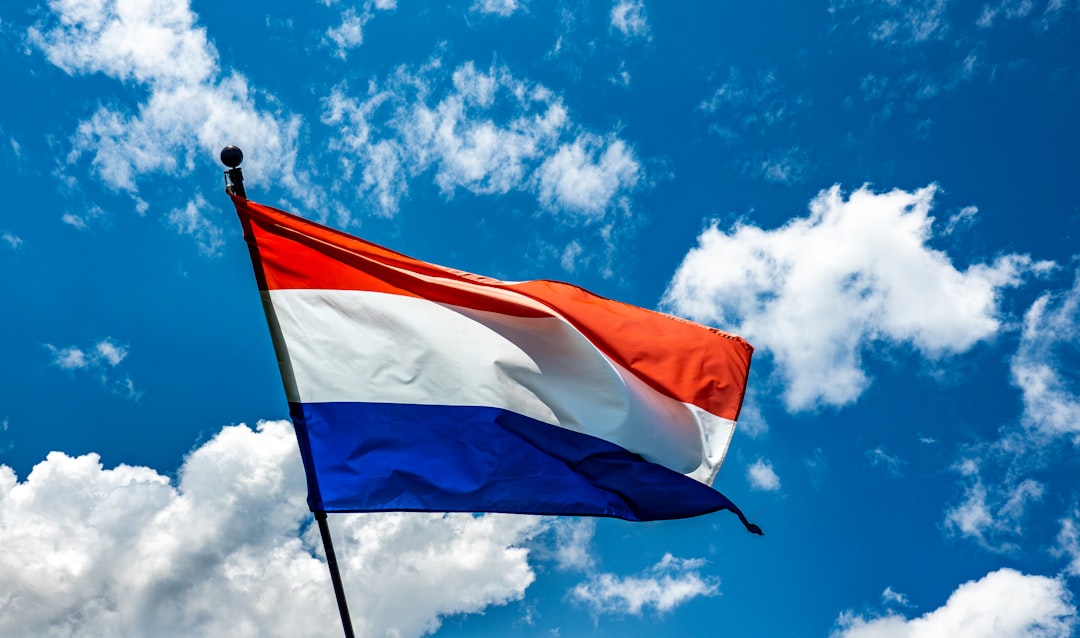
The Netherlands is operationally one of the most efficient stand-build markets in Europe, English-default working language, four well-resourced venues (RAI Amsterdam, Ahoy Rotterdam, Jaarbeurs Utrecht, MECC Maastricht), and a builder ecosystem that has matured around the Dutch direct-business culture. Dutch builders are increasingly competitive on cross-European fair circuits, particularly for exhibitors who value operational reliability over the lowest possible per-sqm pricing.
This guide lists exhibition stand builder companies operating across the major Dutch venues, covers the evaluation framework adapted for the Dutch market, and explains where Dutch builders sit competitively against German, Polish and other European alternatives.
The Dutch exhibition stand builder market, structural overview
The Dutch stand-build market is approximately €280-340 million in annual turnover. It supports three operational categories:
| Category | Profile | Typical positioning |
|---|---|---|
| RAI Amsterdam specialists | Builders concentrated in Greater Amsterdam serving IBC, Horti Fair, ISE (until 2020), HISWA | Premium quality, English-default, international clients |
| Jaarbeurs Utrecht regional | Builders serving Utrecht’s multi-vertical Dutch-domestic fair calendar | Mid-market, Dutch-language-friendly, broad capability |
| Specialist sectoral builders | Maritime-focused (Ahoy Rotterdam), TEFAF/luxury-focused (MECC Maastricht), horticulture-focused (Westland-area) | Industry-vertical depth, specialist supplier networks |
The Dutch industry is represented by CLC-VECTA (Centrum Live Communicatie), the Dutch industry association for live communication and event suppliers. CLC-VECTA membership covers approximately 200 active firms across stand build, audiovisual, event management, and venue services.
Where to find builders by city
Amsterdam, RAI Amsterdam
RAI Amsterdam is the Netherlands’ flagship venue, hosting IBC (the global broadcast industry event drawing approximately 45,000 international attendees), Horti Fair / GreenTech (horticulture and greenhouse technology), Horecava (Dutch hospitality industry), HISWA (boating, watersports). ISE Integrated Systems Europe, founded in Geneva in 2004, moved to RAI Amsterdam shortly afterward and remained there until relocating to Fira Barcelona for the 2021 edition.
Amsterdam-area builders include 2FAIR, DCRT Event Decorations & Styling, standbouw.amsterdam, Groenendal Standbouw, METIS Standbouw, Plaat Reklame en Standbouw, plus the Amsterdam arms of pan-Netherlands builder networks. Browse /cities/amsterdam for the directory listing.
Utrecht, Jaarbeurs Utrecht
Jaarbeurs Utrecht hosts Vakbeurs Foodspecialiteiten, Onderwijsbeurs (education industry), RecreatieVakbeurs (leisure and recreation), and a broad calendar of Dutch-domestic B2B fairs. The Utrecht venue’s central Netherlands position (one of Europe’s largest railway stations, easy access from Amsterdam, Rotterdam, The Hague, and Eindhoven) makes it the venue of choice for nationally-distributed Dutch trade audiences.
Utrecht-area builders cluster around Jaarbeurs venue relationships. Browse /cities/utrecht.
Rotterdam, Ahoy Rotterdam
Ahoy Rotterdam combines a 16,000-capacity arena with exhibition halls and convention space. Key trade events include Europort (biennial maritime industry showcase), Offshore Energy (annual), World Hydrogen Summit, plus consumer and music events filling the calendar. The Rotterdam port-city positioning gives the venue strong maritime industry and offshore energy supplier ecosystems.
Rotterdam-area builders specialise in maritime and industrial sector stands. Browse /cities/rotterdam.
Vink Standbouw, Stand-in B.V., NL EXPO, pan-Netherlands operators
Several Dutch builders operate nationally across all four major venues plus cross-European fair circuits:
- Vink Standbouw B.V., established Dutch national builder
- Stand-in B.V., Eindhoven-anchored, services all Dutch venues
- NL EXPO, “Meer dan standbouw” (more than stand build), full-service positioning
Dutch stand-build pricing 2026
Indicative ranges for Dutch builders at major Dutch venues:
| Stand profile | EUR per sqm | Notes |
|---|---|---|
| Modular rental, in-line 12-30 sqm | 380-680 | Reused system, low customisation |
| Modular hybrid, peninsular 50-100 sqm | 580-1,000 | Some custom elements |
| Custom design, peninsular 50-100 sqm | 950-1,950 | Bespoke design, RAI/Jaarbeurs venue experience |
| Custom design, island 150-300 sqm | 1,500-2,950 | Premium finishes, AV integration |
| Custom flagship, 400+ sqm | 2,200-4,700+ | IBC-tier brand activations |
Dutch pricing typically tracks 5-10% above UK and 0 to 5% below German equivalents. RAI Amsterdam projects carry a 5-10% premium over Jaarbeurs Utrecht equivalents reflecting RAI’s international client mix and tighter build-up window operations.
The English-default operational advantage
The Netherlands’ singular operational advantage for international exhibitors is English-default working culture. Dutch builders:
- Quote, contract, and project-manage in English without premium charges
- Operate technical drawings, materials specifications, and venue documentation in English
- Communicate with international AV suppliers, freight forwarders, and overseas exhibitor teams natively in English
This contrasts with German builders (German-default with English available on request, often with translation overhead), Italian builders (Italian-default with variable English capability outside the leading firms), and French builders (French-default with limited English capability outside Paris). For international exhibitors planning their first European fair, RAI Amsterdam with a Dutch builder is operationally the lowest-friction entry point into European exhibition activity.
How to evaluate a Dutch stand builder, the seven-check framework
Standard European stand-builder evaluation framework with Dutch-specific notes:
1. CLC-VECTA membership. CLC-VECTA members agree to Dutch industry codes covering business integrity, sustainability commitments, financial probity. Not the only quality signal but filters out the most casual operators.
2. Demonstrated experience at your specific Dutch venue. RAI Amsterdam operational knowledge differs from Jaarbeurs Utrecht differs from Ahoy Rotterdam. A builder with 20+ stands at your venue has tacit knowledge of inspection patterns, freight logistics, on-site labour relationships.
3. NEN 1010 electrical compliance capability. Dutch fair-stand electrical installations follow NEN 1010 (the Dutch national electrical wiring regulation, equivalent to UK BS 7671). The completion certificate must be signed by a qualified Dutch electrician.
4. English-default project communications. Verify the actual project manager and on-site team communicate in clear English (not just the sales contact). Request a sample English project plan from a recent international project.
5. Sustainability documentation. Dutch builders increasingly carry FSC chain of custody, ISO 14001 certification. The Netherlands’ general sustainability culture means Dutch builders typically lead European peers on environmental documentation depth.
6. Insurance. Public liability EUR 5M minimum, product liability EUR 10M minimum.
7. Three named exhibitor references from the past 18 months at venues comparable to your target.
Where Dutch builders compete strongly
Four exhibitor profiles where Dutch builders typically outperform alternatives:
1. RAI Amsterdam projects with international audience. Dutch builders’ English-default operations + RAI venue relationships make them the natural choice for IBC, Horti Fair, ISE-style international fairs at RAI.
2. First-time-in-Europe exhibitors. US, UK, Asian exhibitors entering the European fair circuit for the first time find Dutch builders dramatically easier to work with than German or Italian alternatives, language friction is the single biggest operational variable, and the Netherlands eliminates it.
3. Sustainability-led exhibitor briefs. Dutch builders typically lead on CSRD-aligned documentation, FSC sourcing, end-of-life take-back schemes, sustainability is a default rather than a premium service.
4. Multi-fair Benelux + Western European programmes. Dutch builders’ central European geographic position makes them efficient for cross-Benelux + Germany + France fair circuits.
When alternative options may serve better
1. Premium continental craftsmanship. Italian custom carpentry and German engineering precision still hold a craftsmanship edge for top-tier flagship stands.
2. Maximum cost optimisation. Polish builders’ 25-40% cost arbitrage versus Dutch pricing makes them more competitive for budget-led briefs where the English-language operational premium isn’t critical.
3. Domestic German/Italian/French fairs. For fairs in those countries, local builders carry deeper venue-specific relationships than Dutch builders entering as outsiders.
Where to start
If you’re evaluating Dutch stand builders:
- Browse our vetted European builder directory filtered to Netherlands cities
- Read Dutch exhibition ecosystem RAI Ahoy Jaarbeurs MECC for venue-level context
- Submit an RFQ for matched Dutch builder quotes, no obligation
The Dutch exhibition stand market rewards exhibitors who value operational reliability and English-default communication over absolute lowest cost. For international exhibitors entering Europe, Dutch builders remain the natural first-fair choice; for mid-market European programmes with mixed venue exposure, Dutch builders compete on quality-per-euro at the upper-mid tier of European stand-build pricing.
References
- CLC-VECTA (Centrum Live Communicatie), clcvecta.nl
- RAI Amsterdam, rai.nl
- Jaarbeurs Utrecht, jaarbeurs.nl
- Ahoy Rotterdam, ahoy.nl
- MECC Maastricht, mecc.nl
- NEN 1010:2015+A1:2020 Veiligheidsbepalingen voor laagspanningsinstallaties, NEN
- IBC International Broadcasting Convention, ibc.org
- FSC International, “FSC Chain of Custody Certification”, fsc.org
- ISO 14001:2015 Environmental Management Systems
FAQFrequently asked questions
Dutch builders cluster around four major venues. Amsterdam (RAI) builders include 2FAIR, DCRT Event Decorations & Styling, standbouw.amsterdam, Groenendal Standbouw, METIS Standbouw, Plaat Reklame en Standbouw. Pan-Netherlands operators serving all venues: Vink Standbouw B.V., Stand-in B.V. (Eindhoven-anchored), NL EXPO ‘Meer dan standbouw’.
Utrecht (Jaarbeurs) builders cluster around the central Netherlands venue serving Dutch-domestic B2B calendar. Rotterdam (Ahoy) builders specialise in maritime and offshore-industry stands. CLC-VECTA (Centrum Live Communicatie) is the Dutch industry association covering approximately 200 active firms across stand build, audiovisual, event management and venue services.
Browse our vetted Dutch builder directory filtered to Netherlands cities for shortlist starting points. The Dutch stand-build market is approximately EUR 280-340 million annual turnover.
The Netherlands’ singular operational advantage for international exhibitors is English-default working culture. Dutch builders quote, contract, and project-manage in English without premium charges; operate technical drawings, materials specifications, and venue documentation in English; communicate with international AV suppliers, freight forwarders, and overseas exhibitor teams natively in English.
This contrasts with German builders (German-default with English available on request, often with translation overhead), Italian builders (Italian-default with variable English capability outside the leading firms), and French builders (French-default with limited English capability outside Paris).
For international exhibitors planning their first European fair, RAI Amsterdam with a Dutch builder is operationally the lowest-friction entry point into European exhibition activity.
Additional advantages: well-resourced four-venue infrastructure (RAI Amsterdam, Ahoy Rotterdam, Jaarbeurs Utrecht, MECC Maastricht), central European geographic position for cross-Benelux + Germany + France fair circuits, and a general sustainability culture meaning Dutch builders typically lead European peers on environmental documentation depth.
Indicative Dutch pricing 2026 (EUR/sqm): modular rental in-line 12-30 sqm EUR 380-680/sqm; modular hybrid peninsular 50-100 sqm EUR 580-1,000/sqm; custom design peninsular 50-100 sqm EUR 950-1,950/sqm; custom design island 150-300 sqm EUR 1,500-2,950/sqm; custom flagship 400+ sqm EUR 2,200-4,700+/sqm (IBC-tier brand activations). Dutch pricing typically tracks 5-10% above UK and 0 to 5% below German equivalents.
RAI Amsterdam projects carry a 5-10% premium over Jaarbeurs Utrecht equivalents reflecting RAI’s international client mix and tighter build-up window operations. Excluded from per-sqm: AV technology rental, demo equipment, freight to venue, change orders, post-event storage.
CLC-VECTA (Centrum Live Communicatie) is the Dutch trade association for live communication and event suppliers including exhibition stand builders, audiovisual specialists, event management, and venue services. Approximately 200 active member firms agree to CLC-VECTA codes of conduct covering business integrity, sustainability commitments, financial probity, professional conduct.
CLC-VECTA membership is the closest Dutch equivalent to Germany’s FAMAB or the UK’s ESSA, it’s not the only quality signal but filters out the most casual operators. The CLC-VECTA member badge on a Dutch builder’s profile indicates baseline industry credibility and commitment to ongoing professional development.
Verified CLC-VECTA membership status is documented for Dutch builders in our vetted directory where available.
Dutch fair-stand electrical installations follow NEN 1010 (the Dutch national low-voltage electrical wiring regulation, equivalent in scope to UK BS 7671 or German DIN VDE 0100). The completion certificate must be signed by a qualified Dutch electrician credentialled under Dutch vocational standards. Fire safety follows NEN 6065/NEN 6066 for materials class plus venue-specific rules.
RAI Amsterdam, Jaarbeurs Utrecht and Ahoy Rotterdam each operate their own venue technical services with documented stand-build documentation requirements typically due 6-12 weeks pre-event. Materials class B-s1,d0 or B-s2,d0 per EN 13501-1 typically required for stand surfaces.
Posted-worker compliance via WagwEU (Wet arbeidsvoorwaarden gedetacheerde werknemers in de Europese Unie) requires pre-posting declaration through the Posted Workers Notification Portal for non-Dutch crew brought to Dutch venues.
Dutch venues have moderately active enforcement programmes, see Dutch exhibition ecosystem RAI Ahoy Jaarbeurs MECC for the comprehensive technical and operational framework.
Four exhibitor profiles where Dutch builders typically outperform alternatives. (1) RAI Amsterdam projects with international audience, Dutch builders’ English-default operations plus RAI venue relationships make them the natural choice for IBC, Horti Fair, ISE-style international fairs at RAI.
(2) First-time-in-Europe exhibitors, US, UK, Asian exhibitors entering the European fair circuit for the first time find Dutch builders dramatically easier to work with than German or Italian alternatives; language friction is the single biggest operational variable and the Netherlands eliminates it.
(3) Sustainability-led exhibitor briefs, Dutch builders typically lead on CSRD-aligned documentation, FSC sourcing, end-of-life take-back schemes; sustainability is a default rather than a premium service. (4) Multi-fair Benelux + Western European programmes, Dutch builders’ central European geographic position makes them efficient for cross-Benelux + Germany + France fair circuits.
When alternatives serve better: premium continental craftsmanship for top-tier flagship stands where Italian custom carpentry and German engineering precision hold an edge; maximum cost optimisation where Polish builders’ 25-40% cost arbitrage versus Dutch pricing makes them more competitive for budget-led briefs; domestic German/Italian/French fairs where local builders carry deeper venue-specific relationships than Dutch builders entering as outsiders.