The European trade fair giveaway has changed more between 2022 and 2026 than in the previous fifteen years. The high-volume low-value model, branded pens, USB drives, foam stress balls, and plastic bags by the thousand, has declined sharply across every major European venue.
The replacement model is fewer-but-better: a tiered giveaway programme that reserves premium items for qualified leads, places mid-tier items in the hands of engaged visitors who completed demos, and uses entry-level items as friendly conversation starters.
The shift reflects three pressures: visitor preference, venue sustainability mandates, and the operational reality that targeted high-value giveaways drive measurably better follow-up engagement than uniform high-volume distribution.
This article walks through the three-tier giveaway framework that experienced European exhibition managers use in 2026, with specific item recommendations, distribution rules, cost benchmarks, and the sustainability layer that increasingly determines what venues will accept.
The material draws on AUMA’s exhibitor cost benchmarks, CEIR’s research on swag programme ROI, observed practice at top-decile exhibitors at Hannover Messe, EuroShop, ISE Barcelona, drupa, IFA, Anuga, Salone del Mobile, and the major Messe Frankfurt and Messe Düsseldorf venues.
Why the high-volume model collapsed
The high-volume low-value giveaway model failed for three reasons that compounded between 2022 and 2024.
First, visitors stopped collecting low-value swag. The branded pens and USB drives that anchored two decades of European fair giveaway programmes were increasingly left on stands by visitors who had already accumulated dozens of equivalents from competitor booths. Stand teams reported visible visitor disinterest in low-value items by 2023.
Second, sustainability pressure escalated. Major European venues introduced sustainability reporting requirements for exhibitors. Messe Frankfurt, RAI Amsterdam, Messe Düsseldorf, and Fira de Barcelona now track exhibitor waste generation and increasingly tie reduced exhibitor service rates to sustainability compliance. High-volume disposable giveaways became operationally expensive at dismantle as waste disposal costs scaled with volume.
Third, conversion data turned against the high-volume model. CEIR research consistently showed no meaningful correlation between giveaway volume and post-fair pipeline conversion. Exhibitors who eliminated low-value giveaway programmes and reinvested the budget in higher-tier targeted distribution saw lead-conversion rates increase.
“The high-volume low-value giveaway model is structurally obsolete in 2026. Sustainability pressure, visitor preference, and conversion data all point in the same direction: fewer-but-better targeted giveaways outperform high-volume distribution on every meaningful axis.”, AUMA Exhibitor Survey commentary on swag strategy, 2025 edition
The three-tier framework
The contemporary European approach tiers giveaways by visitor qualification level. Each tier has distinct distribution rules and cost benchmarks.
| Tier | Cost per unit (EUR) | Distribution rule | Typical items |
|---|---|---|---|
| Tier 3 (entry-level) | 1.50-4 | Any engaged visitor | Sustainable water bottle, FSC notebook, fabric tote |
| Tier 2 (mid-tier) | 12-25 | Visitor who completed qualification or demo | Premium notebook, power bank, branded technical accessory |
| Tier 1 (premium) | 50-200 | Qualified lead with committed follow-up | Leather accessory, premium tool, hospitality item |
The tier rules are operational discipline, not aesthetic preference. Tier 1 items handed to non-qualified visitors waste budget and reduce the perceived value of the brand. Tier 3 items withheld from engaged visitors create friction that damages conversation flow.
Tier 3: The entry-level giveaway (EUR 1.50-4)
The tier-3 giveaway is offered to any engaged visitor, anyone who stops at the stand, accepts a brief conversation, or expresses interest in the product. The function is conversation-starter and brand-impression maintenance, not pipeline driver.
The 2026 specifications:
- Sustainable materials: recyclable, biodegradable, or genuinely reusable.
- Functional: usable in normal daily work or life.
- Branded discreetly: visible brand presence without being aggressive.
- Lightweight: doesn’t burden the visitor across the fair day.
Items that work at this tier:
- Recyclable or stainless steel water bottles (EUR 2.50-4): functional, durable, visibly aligned with sustainability messaging.
- FSC-certified notebooks (EUR 2-3.50): practical and brand-impressive when paired with a quality pen.
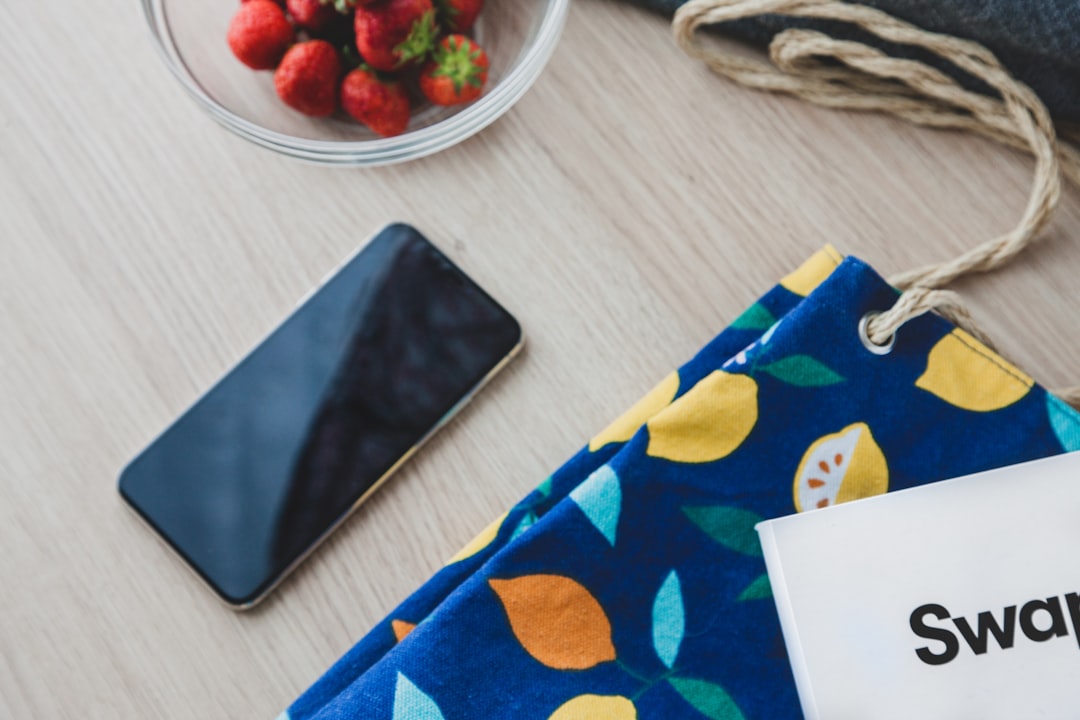
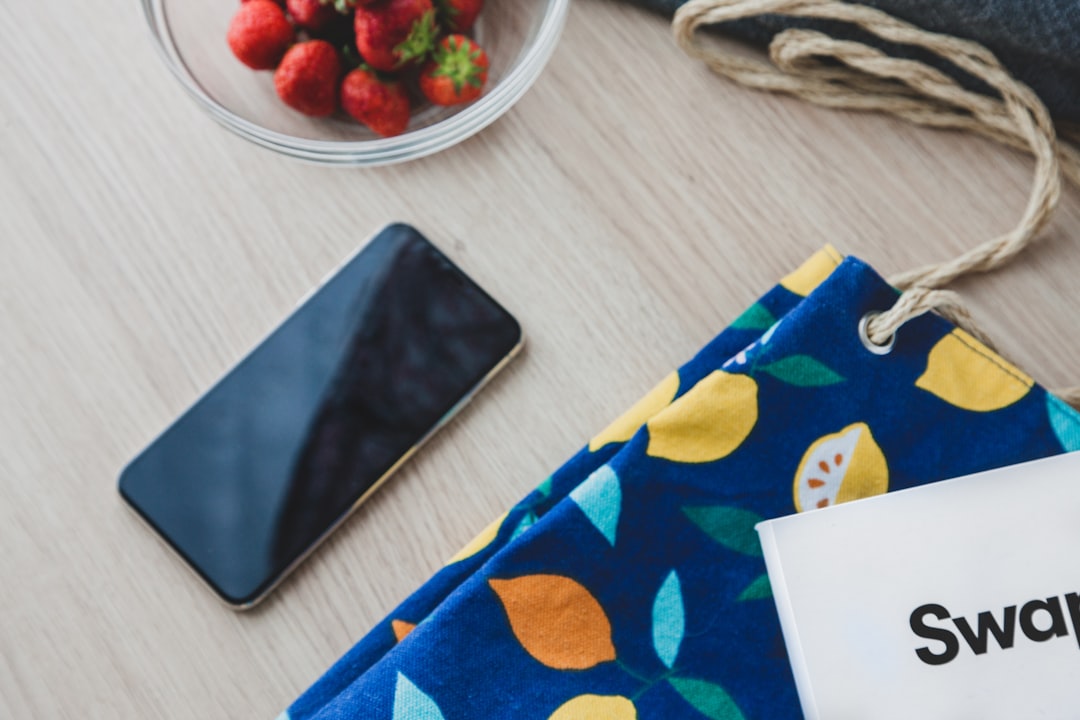
- Branded fabric tote bags (EUR 1.50-3): replaces the plastic bag at the right cost point.
- Sustainable bamboo coffee cups (EUR 3-4.50): venue-relevant for fair-week use.
- High-quality reusable pens (EUR 2-4): Lamy, Caran d’Ache, or category-equivalent. The cheap branded ballpoint should be retired.
Items that have declined materially: branded USB drives (data security concerns), foam stress balls (sustainability), plastic giveaway bags (now banned at several venues), bulk branded keychains (no longer collected by visitors).
Tier 2: The mid-tier giveaway (EUR 12-25)
The tier-2 giveaway is offered to visitors who completed a demo, engaged in a qualifying conversation, or otherwise demonstrated active interest beyond casual stand visitation. The function is brand-impression durability, visitors retain tier-2 items for months and the ongoing brand visibility creates compounding impressions.
The 2026 specifications:
- Professional quality: usable in business contexts without aesthetic embarrassment.
- Branded subtly: brand presence visible to the user but not dominantly designed.
- Category-relevant: items that connect to the product or industry where possible.
- Durable: survives at least 12 months of regular use.
Items that work at this tier:
- Premium notebooks (Moleskine, Leuchtturm 1917, equivalents): EUR 12-22 each. Pair with quality pen if budget allows.
- Quality power banks: EUR 15-30. Useful at the fair itself and beyond.
- Branded sustainable lunch boxes or reusable food containers: EUR 12-22.
- Premium tote bags (canvas, weather-resistant, leather-trim): EUR 15-30.
- Category-specific items: branded tools (industrial fairs), sample-quality product items (food fairs), branded technical accessories (electronics fairs).
- Branded cable organisers, magnetic mounts, or desk accessories: EUR 12-25.
The pairing strategy works well at this tier. A premium notebook plus quality pen as a bundled gift at EUR 25-35 reads as a meaningful giveaway rather than a budget afterthought.
Tier 1: The premium giveaway (EUR 50-200)
The tier-1 giveaway is restricted to qualified senior buyers as part of a structured follow-up engagement. The function is relationship investment rather than marketing expense. Tier-1 items are not for general distribution.
The distribution rules:
- Given specifically to leads who have committed to a follow-up step (meeting booking, pilot agreement, demo completion at full depth).
- Delivered with specific senior-staff attention rather than handed over by greeter staff.
- Presented in branded packaging that signals the deliberateness of the gift.
- Tracked specifically against post-show pipeline outcomes.
Items that work at this tier:
- Premium leather goods: branded leather portfolios, document cases, or laptop sleeves. EUR 75-200.
- Premium technical accessories: high-quality headphones, branded smart accessories, premium pens (Montblanc-tier). EUR 80-180.
- Category-specific premium tools: branded knives for food industry fairs, premium drafting tools for design fairs. EUR 60-150.
- Hospitality items: premium coffee selection, branded wine in branded box (where culturally appropriate), specialty teas. EUR 50-120.
- Branded experience vouchers: dinner reservation, hotel upgrade voucher, premium experience access. EUR 100-250.
Tier-1 distribution typically runs 15-30 units per fair, not hundreds. The targeted nature is what makes the investment work.
“The premium tier giveaway given to a qualified senior buyer as part of a structured follow-up engagement converts to post-show pipeline at 65 to 80 percent. The same item given as general distribution converts at 8 to 15 percent. The targeting discipline is what makes premium giveaways worth the investment.”, CEIR research on swag programme ROI, 2024 update
Budget allocation across tiers
A typical European exhibitor allocates total giveaway budget across the three tiers in roughly the proportions below.
| Allocation pattern | Tier 3 share | Tier 2 share | Tier 1 share |
|---|---|---|---|
| Hospitality-focused fair (Anuga, ITB, Salone del Mobile) | 35% | 45% | 20% |
| Standard B2B technical fair (Hannover Messe, drupa, K) | 40% | 45% | 15% |
| High-density fair with large visitor volume (Bauma, EuroShop) | 45% | 40% | 15% |
| Niche fair with concentrated audience (SPS Nuremberg, MECSPE) | 30% | 50% | 20% |
| First-time exhibitor (any fair) | 50% | 40% | 10% |
The percentages assume 2-4% of total participation budget allocated to giveaways. A 75 sqm stand at Hannover Messe with EUR 220,000 total budget might allocate EUR 7,000-9,000 to giveaways across all tiers.
The sustainability layer
Sustainability has moved from preference to compliance at major European venues. Three structural pressures:
Venue reporting requirements. Messe Frankfurt, Messe Düsseldorf, RAI Amsterdam, and Fira de Barcelona track exhibitor waste generation. Stands generating high disposal volumes face higher waste-disposal charges and increasingly receive lower priority on subsequent rebooking.
ISO 20121 certification incentives. Several venues offer reduced exhibitor service rates for ISO 20121 certified participation programmes. Sustainable giveaway strategy is a documented component of ISO 20121 compliance.
Visitor preference data. Surveys at major European fairs indicate 70-80 percent of visitors prefer fewer-but-better sustainable giveaways over high-volume disposable items. The preference signal has strengthened each year since 2022.
The operational implication: every giveaway item should pass three sustainability screens. Is it durable beyond the fair? Is it made of sustainable or recyclable materials? Does it actually serve the visitor’s life or work after the show? Items failing any of the three are increasingly removed from European exhibitor programmes.
“Sustainability is no longer a marketing preference at major European trade fairs. It is increasingly part of the operational compliance framework that determines venue charges and rebooking priority. Exhibitors who treat sustainability as a bolt-on rather than a structural design principle face escalating cost.”, UFI Global Exhibition Barometer, sustainability commentary, 2025
Category-specific giveaway alignment
The most successful giveaway programmes connect to the exhibitor’s product category. Examples:
- Industrial automation exhibitors at Hannover Messe: branded technical pens, magnetic tools, FSC notebooks with engineering-relevant grid patterns.
- Food and beverage exhibitors at Anuga: sample products, branded reusable food containers, category-specific tools (oils, spices, branded coffee).
- Retail technology exhibitors at EuroShop: branded retail samples, professional notebooks, technical accessories that retail teams use.
- AV integration exhibitors at ISE Barcelona: branded technical cables, magnetic mounts, professional accessories.
- Construction equipment exhibitors at Bauma: branded protective gear (work gloves, branded safety equipment), construction-specific tools.
- Beauty and cosmetics at Cosmoprof Bologna: sample products, professional storage accessories.
- Furniture and design at Salone del Mobile: branded sample materials, design-relevant accessories, premium notebooks with curated paper stocks.
Category alignment makes the giveaway more memorable and connects the brand impression to the product category in the visitor’s mind.
Distribution operational discipline
The tier framework only works with operational discipline at the stand. Three requirements:
Tier identification. Greeter staff need a clear rubric for which visitors receive which tier giveaway. The rubric typically maps to the qualification framework: tier 3 for any engaged visitor, tier 2 for qualified visitor who completed demo, tier 1 reserved for senior buyer with committed follow-up step.
Inventory tracking. Tier-2 and tier-1 items must be tracked carefully. Without tracking, premium items get distributed to non-qualified visitors and budget gets exhausted before qualified leads are served.
Staff training. Booth staff need to understand the tier rationale and execute it consistently. Untrained staff default to giving everyone the highest tier item available, exhausting premium inventory by Day 2.
Common giveaway mistakes
Three patterns recur consistently across European exhibitors who underperform on giveaway ROI.
First, single-tier programmes at the low-value end. EUR 1-2 per unit distributed in bulk. Modern visitor data does not support this approach.
Second, tier-1 distribution to anyone who asked. Premium items handed out without qualification discipline exhaust budget without creating the relationship investment they were designed for.
Third, sustainability as afterthought. Programmes designed around volume and price, then retrofitted with token sustainability language. Visitors and venues both see through this.
How to operationalise on the directory
The /swag-strategy hub at Exhibition Stands EU lists verified European giveaway suppliers with sustainability documentation. The /calculator includes a giveaway-budget overlay that allocates spend across tier proportions based on fair type and stand size.
Related reading
- Sustainable Swag Strategy and ISO 20121, the sustainability framework for tier-3 and tier-2 items
- Booth Staffing Calculator, staff requirements for tiered giveaway distribution
- Exhibition Budget Allocation Framework, where giveaway budget sits in the broader line-item structure
- Hidden Costs of European Trade Fair Participation, waste disposal cost implications of giveaway choices
- Networking and Meeting Programs, how tier-1 giveaways integrate with meeting program follow-up
References and primary sources
- AUMA Exhibitor Outlook, Association of the German Trade Fair Industry, auma.de
- CEIR research on swag programme ROI 2024 update, ceir.org
- UFI Global Exhibition Barometer (Union des Foires Internationales), sustainability commentary, ufi.org
- Messe Frankfurt sustainability reporting requirements 2026
- RAI Amsterdam ISO 20121 exhibitor guidelines
- Messe Düsseldorf sustainable stand-construction incentive programme
- Fira de Barcelona sustainability framework 2025-2026
- ESSA UK exhibitor swag commentary 2024-2025, essa.uk.com
FAQFrequently asked questions
Yes, but the strategy has shifted materially since 2022. The high-volume low-value giveaway model (branded pens, bags, USB drives at EUR 0.50-2 per unit) has declined sharply. The contemporary approach is fewer-but-better: tier giveaways by visitor qualification level, with premium items reserved for qualified leads and modest items for general visitors.
The shift reflects both sustainability priorities and the observation that high-value targeted giveaways drive measurably better follow-up engagement than high-volume distribution.
AUMA-aligned guidance is 2-4% of total participation budget for giveaway and swag programmes at most B2B fairs, slightly higher (4-6%) at consumer-leaning or hospitality-heavy participations. The benchmark assumes a tiered programme rather than uniform distribution. Single-tier high-volume programmes at the EUR 1-3 per unit level rarely justify their cost at typical European fairs; tiered programmes with strategic high-value items deliver better measurable ROI.
Functional, sustainable, and useful beyond the show. Recyclable or reusable water bottles, FSC-certified notebooks, branded fabric tote bags, sustainable coffee cups, and high-quality reusable pens (Lamy or Caran d’Ache rather than ballpoints) hit the right combination of cost (EUR 1.50-4 per unit) and lasting impression. The sustainability angle matters: visitors increasingly notice and remember exhibitors whose giveaways align with the venue’s ISO 20121 messaging.
Practical professional accessories that survive the show. Premium notebooks (Moleskine, Leuchtturm), quality power banks, branded sustainable lunch boxes, premium tote bags, branded technical accessories (cable organisers, magnetic mounts), or category-specific items (logoed tools for industrial fairs, sample products for food fairs). The mid-tier giveaway gets retained for months and creates ongoing brand impressions, which is the actual ROI mechanism.
When given specifically to qualified senior buyers as part of a structured follow-up engagement.
Premium giveaways at EUR 50-200 (branded leather goods, premium technical accessories, category-specific premium tools, high-quality coffee or wine for hospitality-relevant industries) are not for general distribution; they’re given to leads who have committed to a specific follow-up step (meeting booking, pilot agreement, demo completion).
This restricted distribution makes the giveaway a relationship investment rather than a marketing expense.
Materially. Major European venues (Messe Frankfurt, RAI Amsterdam, Messe Düsseldorf, Fira de Barcelona) now flag giveaway sustainability as part of exhibitor sustainability reporting. The compliance pressure aligns with visitor preference: surveys at major European fairs show 70-80% of visitors prefer fewer-but-better sustainable giveaways over high-volume disposable items. Sustainable giveaway programmes also reduce waste disposal costs at dismantle by 40-60%.