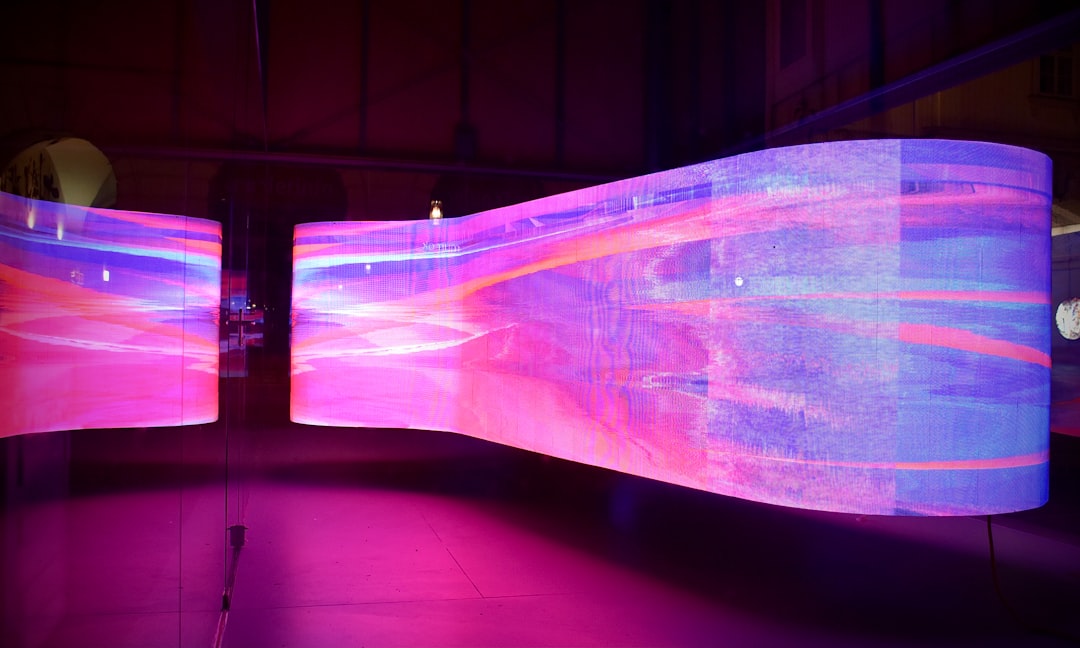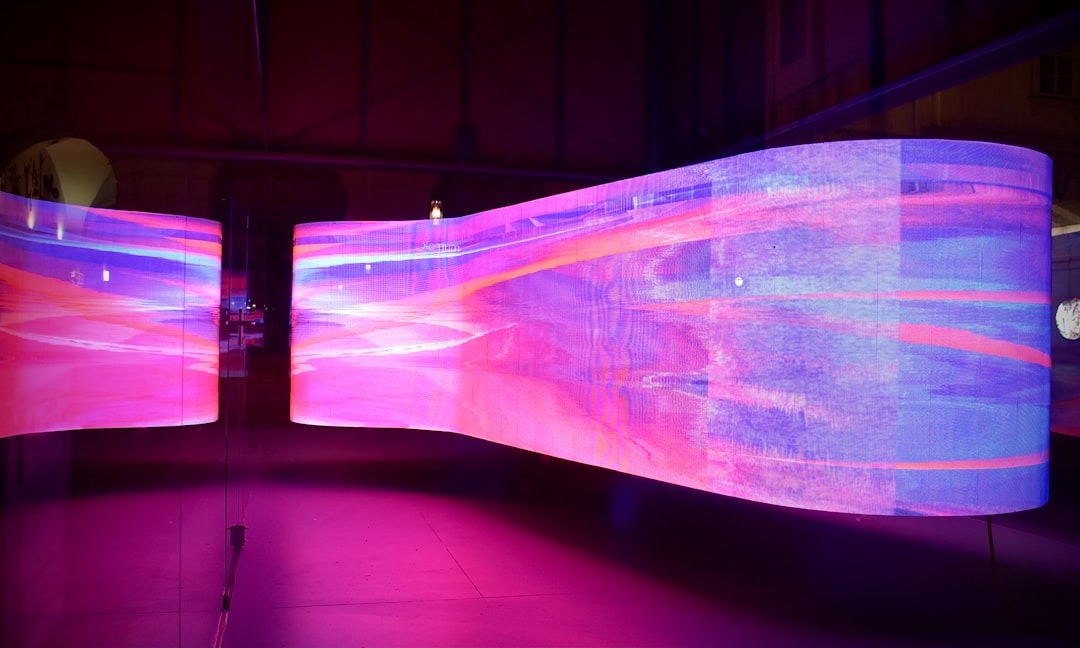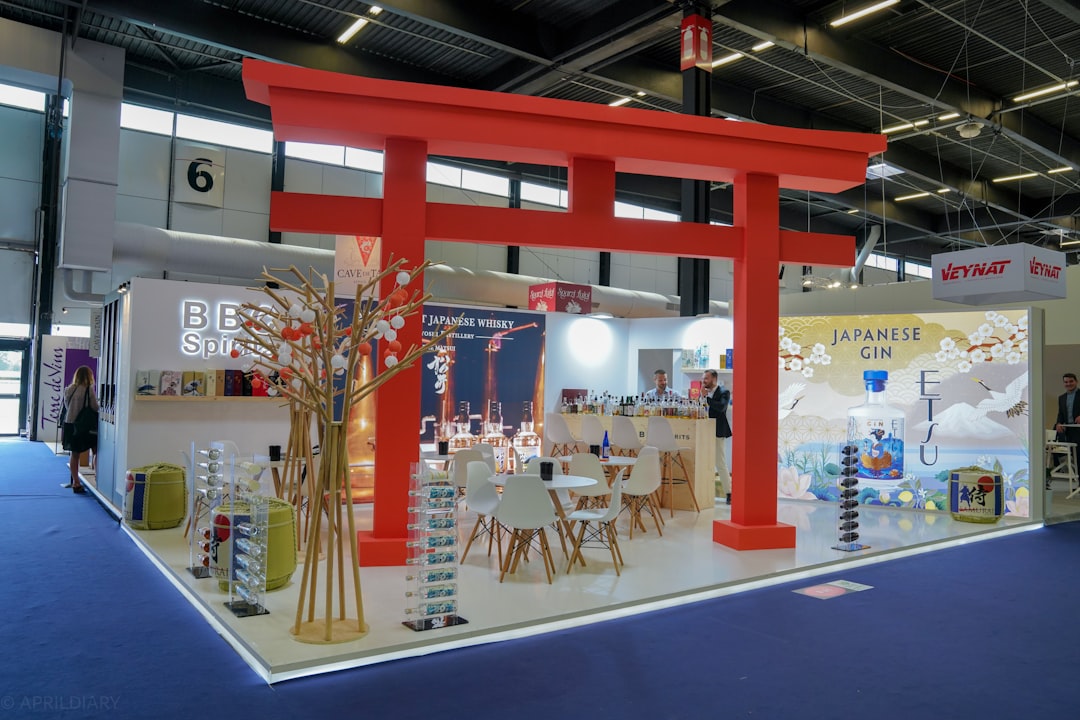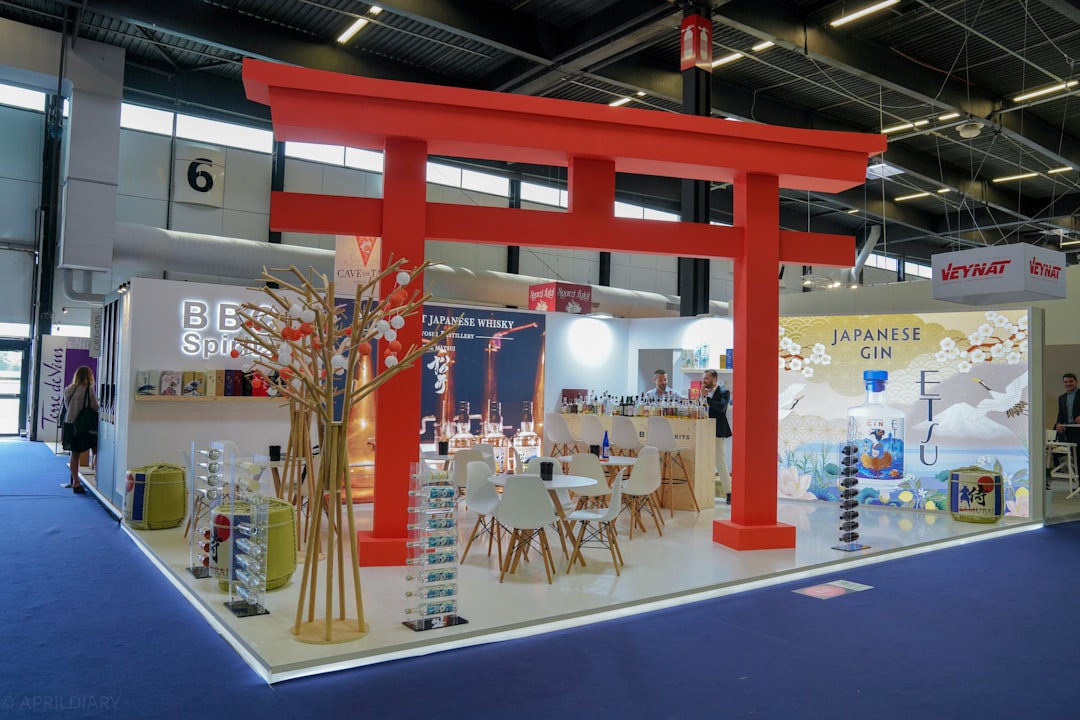
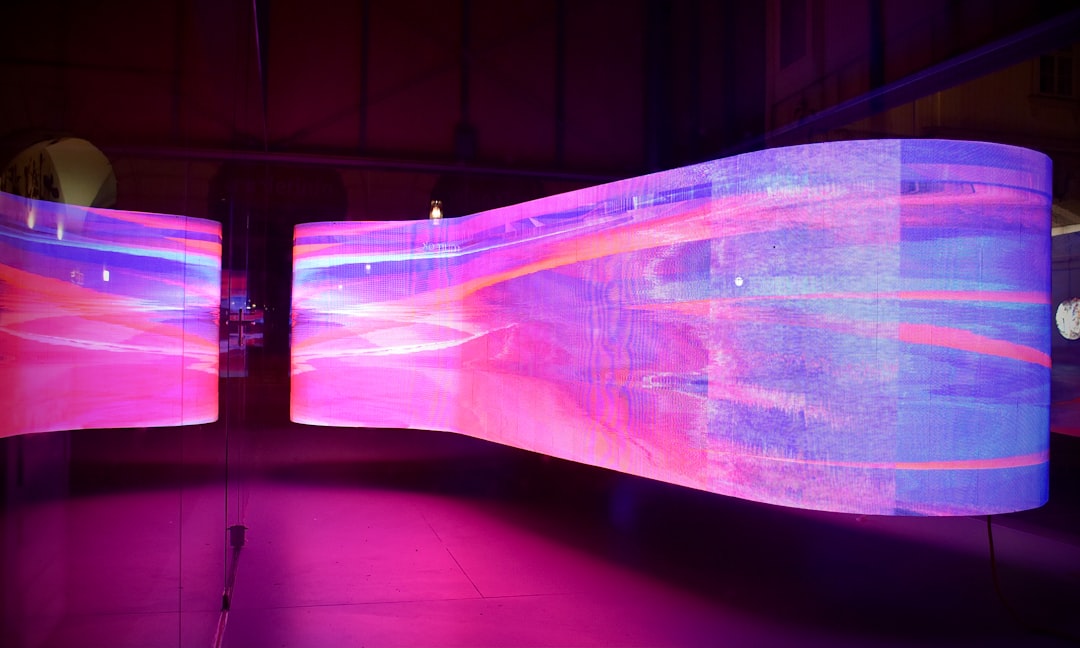
The LED wall has become the dominant high-impact visual element on European exhibition stands in 2026. Five years ago an LED wall on a stand was a flagship-tier statement; today modular LED panels at 2.6 to 3.9 mm pitch run on mid-tier stands at every major European fair.
The price-per-square-metre has dropped substantially, panel quality has improved, rental infrastructure has matured, and visitor expectations have shifted such that stands without LED video presence increasingly read as under-invested at consumer-facing and tech-focused fairs.
This article unpacks what LED walls actually cost at European fairs in 2026, how pitch selection affects both budget and visual quality, which fair contexts justify LED investment versus alternative content surfaces, and the operational considerations, power load, installation labour, content production, on-site programming, that often surprise first-time LED-wall exhibitors.
The figures draw on observed quotes at Messe Frankfurt, Light + Building, IFA Berlin, MWC Barcelona, EuroShop, ISE at RAI Amsterdam, and Maison&Objet through 2025 and early 2026 contracts.
The pitch decision drives roughly seventy percent of LED wall cost
LED wall pitch, the distance in millimetres between adjacent LED pixels, drives most of the per-square-metre cost differential. Tighter pitch produces higher pixel density, sharper image quality at close viewing distance, and higher cost. Looser pitch produces lower pixel density, image quality that degrades at close viewing distance, and substantially lower cost.
The right pitch for a stand depends on the minimum viewing distance visitors will experience. A general rule among European LED-rental specialists: minimum viewing distance in metres should approximately equal pitch in millimetres. A 2.6 mm pitch wall reads cleanly from 2.6 metres and beyond. A 4.8 mm pitch wall reads cleanly from 4.8 metres and beyond. Inside that minimum distance, pixels become visible and image quality degrades.
| Pitch | Pixel density | Minimum clean-view distance | Per-sqm rental EUR per fair | Per-sqm purchase EUR | Typical use |
|---|---|---|---|---|---|
| 1.9 mm | 277,000 px/sqm | 1.9 m | 1,800-3,200 | 8,500-14,000 | Close-view luxury, design fairs |
| 2.6 mm | 148,000 px/sqm | 2.6 m | 1,200-2,200 | 5,800-9,800 | Hero brand walls, premium B2B |
| 3.9 mm | 65,800 px/sqm | 3.9 m | 800-1,500 | 3,800-6,400 | Standard hero, video backdrops |
| 4.8 mm | 43,400 px/sqm | 4.8 m | 600-1,150 | 2,800-4,800 | Large-format backdrops |
| 6.5 mm | 23,700 px/sqm | 6.5 m | 450-880 | 2,000-3,400 | Hall-visible aerial banners |
| 10.4 mm | 9,200 px/sqm | 10.4 m | 320-680 | 1,400-2,400 | Outdoor or distant viewing |
For most exhibition stand applications, the cost-effective sweet spot sits at 2.6 mm pitch for hero walls visitors approach within three metres and 3.9 mm pitch for backdrop walls visitors view from four metres or further. Pitch tighter than 2.6 mm rarely justifies the cost premium except at design-led fairs where visitor close-approach to the wall is part of the brand experience.
Total LED wall cost beyond panel rental
The panel rental cost is roughly forty-five to sixty percent of the total LED wall delivered cost. Five additional cost categories complete the line item.
| Cost category | Per-fair cost (EUR) | Notes |
|---|---|---|
| Panel rental | See pitch table above | Per square metre |
| Processor and controller hardware | 1,200-3,800 | Drives panel grid, handles content |
| Rigging and installation labour | 2,400-7,200 | Specialist install crew, 8-16 hours |
| Content production | 3,500-28,000 | Range covers stills through bespoke video |
| Power load and venue surcharge | 480-1,800 | LED walls draw significant power |
| Backup and on-site technician | 1,400-3,800 | Failure mid-fair is unacceptable |
A 12 sqm LED wall (typical hero size on a 75-100 sqm stand) at 3.9 mm pitch with full delivery cost stack typically lands as follows:
- Panel rental at EUR 1,150/sqm: EUR 13,800
- Processor and controller: EUR 2,400
- Rigging and installation: EUR 4,200
- Content production (bespoke 90-second loop): EUR 12,000
- Power surcharge: EUR 980
- Backup and technician: EUR 2,400
- Total: EUR 35,780 per fair for 12 sqm LED hero wall
The per-sqm all-in cost lands around EUR 2,980, substantially higher than panel rental alone would suggest. Exhibitors quoting only the panel rental figure routinely underestimate LED wall budgets by forty to sixty percent.
When LED walls justify the investment
Three fair-context patterns reliably justify LED wall investment.
The first is consumer-facing and tech fairs where visitor expectation of digital presence is baseline. At IFA Berlin, MWC Barcelona, and ISE at RAI Amsterdam, stands without significant LED video presence read as under-invested. The cost of NOT having an LED wall at these fairs is greater than the cost of having one, measured in visitor engagement loss.
The second is design-led fairs where LED becomes the storytelling instrument. At EuroShop, where retail-design innovation is the explicit content theme, LED walls demonstrate the brand’s command of contemporary display technology. At Light + Building, LED is itself a product category, exhibitors’ own use of LED on stand is read as evidence of design fluency.
The third is large-format brand presence at any tier-one fair where the stand must dominate from hall-aisle distance. A 6.5 mm pitch wall at 30+ square metres delivers visual presence from across the hall that printed graphics cannot match. The cost-per-visitor-impression at scale often beats alternative options.
“LED walls were once a flagship-only statement at European fairs. Now they’re the table-stakes hero element at any tech, consumer, or design fair worth the listing fee. Exhibitors arguing against the LED line item are often arguing against being noticed.”, Common framing among IFES corporate-member exhibitors specialising in digital stand elements, 2025
When LED walls do not justify the investment
Three contexts reliably do not justify LED wall investment.
The first is vertical B2B fairs where visitors evaluate the product rather than the stand. Bauma, EMO, productronica, and similar equipment-focused fairs see visitors who came to inspect equipment specifications. LED content rarely adds commercial value beyond what a well-printed graphic surface delivers at fifteen percent of the cost.
The second is small stands under 30 sqm where the LED wall consumes a disproportionate share of the footprint and budget. A 12 sqm LED wall on a 30 sqm stand occupies forty percent of the stand surface and forty to fifty percent of the build budget, usually displacing other elements that would deliver greater commercial value.
The third is short-cycle stand programmes where the LED content cannot amortise across multiple deployments. Bespoke video content at EUR 12,000-28,000 deployed at one fair delivers worse ROI than the same content deployed at five fairs.
Content production: the often-undersized line item
Content production is the LED wall line item that exhibitors most consistently undersize. A bespoke 90-second hero video for an LED wall typically costs EUR 12,000-28,000 to produce at quality matching the wall’s resolution capability. Stills-only content runs EUR 800-3,500 to design and prepare for the wall’s resolution and refresh rate. Stock video content runs EUR 0-2,400 for licensing but rarely delivers brand-specific narrative.
The cost-effective content strategy for most LED wall deployments is a hybrid:
- Bespoke 30-60 second hero video produced once for the fair calendar (EUR 8,000-18,000)
- 4-6 brand-specific still frames designed for the wall resolution (EUR 1,200-3,500)
- 2-3 product-detail loops for closer-view phases of the visitor journey (EUR 2,400-6,500)
- Total content budget: EUR 11,600-28,000
The content amortises across multiple fair deployments, content produced for IFA in September can redeploy at CES in January and at MWC in February, distributing the production cost across three flagship fairs.
“We see LED wall projects budgeted at EUR 18,000 with EUR 800 allocated to content. The wall arrives, the content looks like a PowerPoint slide, and the EUR 18,000 of hardware is delivering EUR 800 of impact. The proportion has to invert.”, Common framing among FAMAB member content-production specialists, 2024
Operational considerations: power, brightness, dwell heat
Three operational factors regularly surprise first-time LED wall exhibitors.
Power load is the first. A 12 sqm LED wall at full brightness draws 5-9 kW continuously. Most European exhibition venues charge supplementary power above 5 kW total stand load at EUR 280-680 per kW. A stand with an LED wall plus standard lighting, AV, and meeting-room equipment often exceeds 10 kW and incurs EUR 1,200-3,400 in supplementary power charges.
Brightness calibration is the second. LED walls ship at maximum brightness that overwhelms most exhibition hall environments. Calibrating brightness to roughly 25-40% of maximum produces image quality matched to hall ambient lighting without visual harshness. Running LED walls at high brightness shortens panel lifespan and produces a stand environment that fatigues both visitors and staff.
Dwell heat is the third. LED walls generate substantial heat in operation, a 12 sqm wall produces roughly 4-7 kW of heat during the fair day. Stands without adequate ventilation around the wall accumulate heat that affects both panel performance and stand comfort. Venues with tight ceiling clearances above stand structures can compound the issue.
Backup planning: what to do when an LED wall fails mid-fair
LED panels fail. A 12 sqm wall typically comprises thirty-six panels of 500 mm x 500 mm, and panel failure rates across multi-day fairs run roughly 0.5-2% per panel per fair. The stand needs a failure-response plan that includes on-site technician availability, replacement panel stock, and a fallback content plan if multiple panels fail simultaneously.
| Failure scenario | Response | Cost (EUR) |
|---|---|---|
| Single panel fault | On-site technician swap (15-30 min) | 0 (included in rental) |
| Multiple panel failure | Replacement panels deployed (1-3 hours) | 0-800 (rental coverage) |
| Processor failure | Backup processor swap (30-60 min) | 0-1,200 (rental coverage) |
| Total wall failure | Fallback to printed graphic backdrop | 1,800-4,800 (graphic produced as insurance) |
Stands at flagship fairs increasingly carry a printed-graphic backup behind or alongside the LED wall, fabric SEG graphic at EUR 1,800-4,800 that can deploy in thirty minutes if the LED wall fails entirely. The insurance premium is small relative to the alternative of a dark stand at peak fair traffic.
Comparison: LED wall versus alternative content surfaces
Not every hero surface needs to be LED. Three alternatives deliver portions of the LED-wall value at lower cost.
| Surface | Per-sqm cost EUR per fair | Content flexibility | Visual impact | Best fit |
|---|---|---|---|---|
| 3.9 mm LED wall | 2,400-3,200 all-in | Full motion video | Very high | Tech, consumer, design fairs |
| Backlit fabric SEG | 320-680 | Stills only | High | Mid-tier B2B, brand consistency |
| Projection mapping | 1,200-2,800 | Full motion video | High in dark zones | Design fairs with light control |
| Interactive touchscreen wall | 1,800-3,800 | Interactive content | Medium-high | Engagement-focused stands |
| Printed wall graphic | 80-240 | Static | Medium | Baseline brand expression |
The build-up reads: stands at tech and consumer fairs almost always justify LED for hero surfaces. Stands at mid-tier B2B fairs usually achieve sufficient brand impact with backlit fabric SEG at fifteen to twenty percent of the LED cost. Stands at design fairs with controlled lighting environments sometimes prefer projection mapping for its unique visual character.
Tooling at Exhibition Stands EU
The /builders directory filters builders by their LED-wall delivery track record at named European fairs. The /rfq workflow lets you specify pitch, wall dimensions, and content scope in the initial quote request. The /calculator models LED wall all-in cost across the production, install, content, and operational stack.
Related reading
- Brand Storytelling on Stand
- Lighting Design
- Stand Design Cost Breakdown
- Modular vs Custom
- Exhibiting in Germany
- Find a Builder
References and primary sources
- AVIXA Display Standards (B-2-2024), Audiovisual and Integrated Experience Association
- IFES (International Federation of Exhibition and Event Services) digital-stand-elements working group papers
- AUMA exhibitor cost benchmarks (2024-2026 edition), auma.de
- Messe Frankfurt Technical Guidelines 2026, power load and AV specifications
- Messe Düsseldorf Technical Guidelines 2026, LED wall installation requirements
- Integrated Systems Europe (ISE) Trend Report 2025
- LED Display Manufacturers Association specification standards
- FAMAB Verband Direkte Wirtschaftskommunikation member best-practice papers
FAQFrequently asked questions
The general rule among European LED-rental specialists: minimum viewing distance in metres should approximately equal pitch in millimetres. A 2.6 mm pitch wall reads cleanly from 2.6 metres and beyond; a 4.8 mm pitch wall reads cleanly from 4.8 metres and beyond. Within that minimum distance pixels become visible and image quality degrades.
The cost-effective sweet spot for most exhibition stand applications sits at 2.6 mm pitch for hero walls visitors approach within three metres (EUR 1,200-2,200 per sqm per fair) and 3.9 mm pitch for backdrop walls viewed from four metres or further (EUR 800-1,500 per sqm).
Pitch tighter than 2.6 mm rarely justifies the cost premium except at design-led fairs where visitor close-approach is part of the brand experience.
Panel rental is only 45-60% of the total delivered cost.
For a 12 sqm wall at 3.9 mm pitch, the full cost stack is: panel rental at EUR 1,150/sqm (EUR 13,800), processor and controller hardware (EUR 2,400), rigging and installation labour at 8-16 hours specialist install (EUR 4,200), bespoke 90-second content production (EUR 12,000), venue power surcharge for the 5-9 kW load (EUR 980), and backup hardware plus on-site technician (EUR 2,400).
Total: EUR 35,780 per fair, working out to EUR 2,980 per sqm all-in. Exhibitors quoting only the panel rental figure routinely underestimate LED wall budgets by 40-60%.
Three contexts reliably do not justify LED. First, vertical B2B fairs where visitors evaluate the product rather than the stand, Bauma, EMO, productronica, similar equipment-focused fairs. LED content rarely adds value beyond what a well-printed graphic delivers at 15% of the cost.
Second, small stands under 30 sqm where the LED wall consumes disproportionate footprint and budget, a 12 sqm wall on a 30 sqm stand uses 40% of the surface and 40-50% of build budget, usually displacing elements that would deliver greater commercial value.
Third, short-cycle stand programmes where LED content cannot amortise across multiple deployments, bespoke video at EUR 12,000-28,000 deployed at one fair delivers worse ROI than the same content deployed at five fairs.
Content production is the line item exhibitors most consistently undersize. A bespoke 90-second hero video for an LED wall typically costs EUR 12,000-28,000 to produce at quality matching the wall’s resolution capability. Stills-only content runs EUR 800-3,500 to design and prepare for wall resolution and refresh rate. Stock video runs EUR 0-2,400 for licensing but rarely delivers brand-specific narrative.
The cost-effective strategy is hybrid: bespoke 30-60 second hero video produced once for the fair calendar (EUR 8,000-18,000), 4-6 brand-specific still frames designed for the wall resolution (EUR 1,200-3,500), and 2-3 product-detail loops for closer-view phases (EUR 2,400-6,500).
Total content budget EUR 11,600-28,000, amortised across multiple fair deployments, content for IFA in September can redeploy at CES January and MWC February.
A 12 sqm LED wall at full brightness draws 5-9 kW continuously. Most European exhibition venues charge supplementary power above 5 kW total stand load at EUR 280-680 per kW. A stand with an LED wall plus standard lighting, AV, and meeting-room equipment often exceeds 10 kW total load and incurs EUR 1,200-3,400 in supplementary power charges.
Brightness calibration also matters: LED walls ship at maximum brightness that overwhelms most hall environments; calibrating to 25-40% of maximum produces image quality matched to ambient lighting without visual harshness, extends panel lifespan, and reduces both heat output and power draw. A 12 sqm wall generates 4-7 kW of heat during the fair day, requiring adequate ventilation around the wall.
LED panels fail at roughly 0.5-2% per panel per fair across multi-day events. A 12 sqm wall typically comprises 36 panels of 500 mm x 500 mm, so panel failure during the fair is statistically likely rather than exceptional.
The stand needs a failure-response plan: on-site technician for single-panel swaps in 15-30 minutes (included in rental), replacement panel stock for multiple failures (rental coverage), backup processor for processor failures (rental coverage), and a fallback printed-graphic backdrop for total wall failure.
Stands at flagship fairs increasingly carry a fabric SEG backup at EUR 1,800-4,800 that can deploy in thirty minutes if the LED wall fails entirely. The insurance premium is small relative to a dark stand at peak fair traffic.