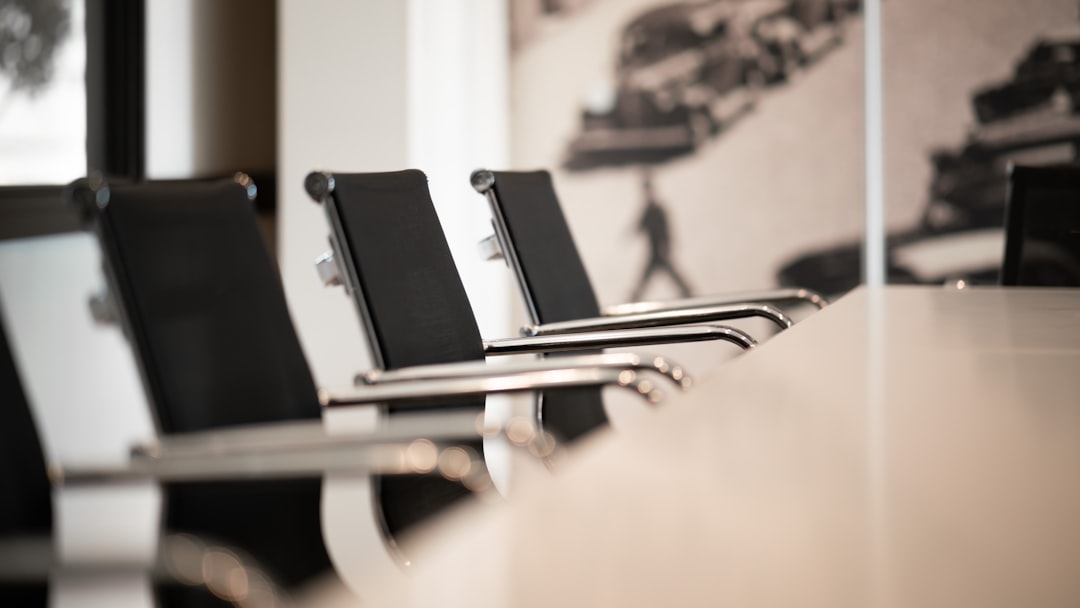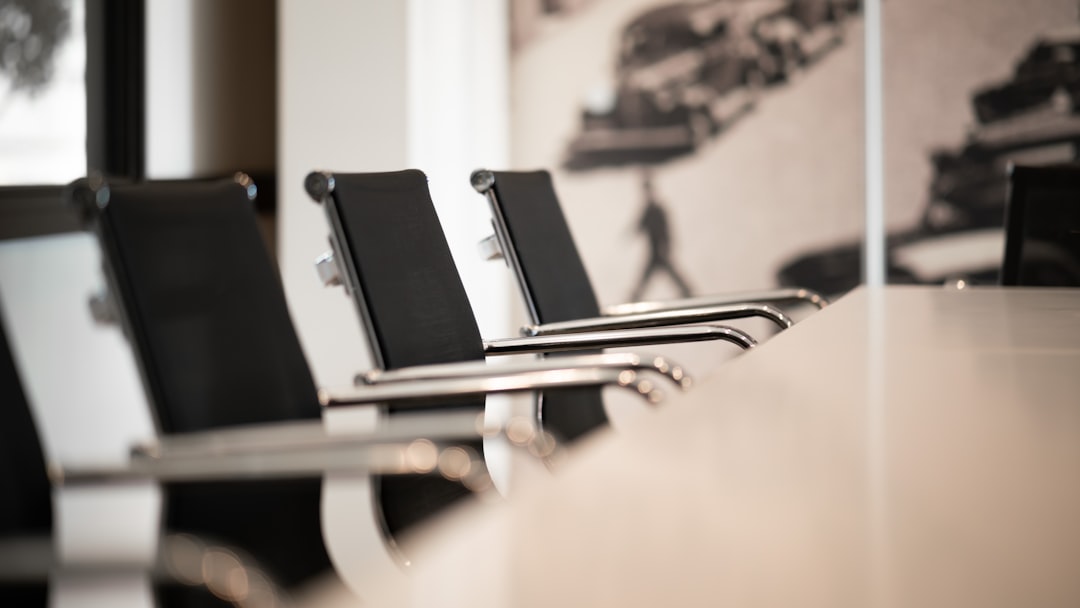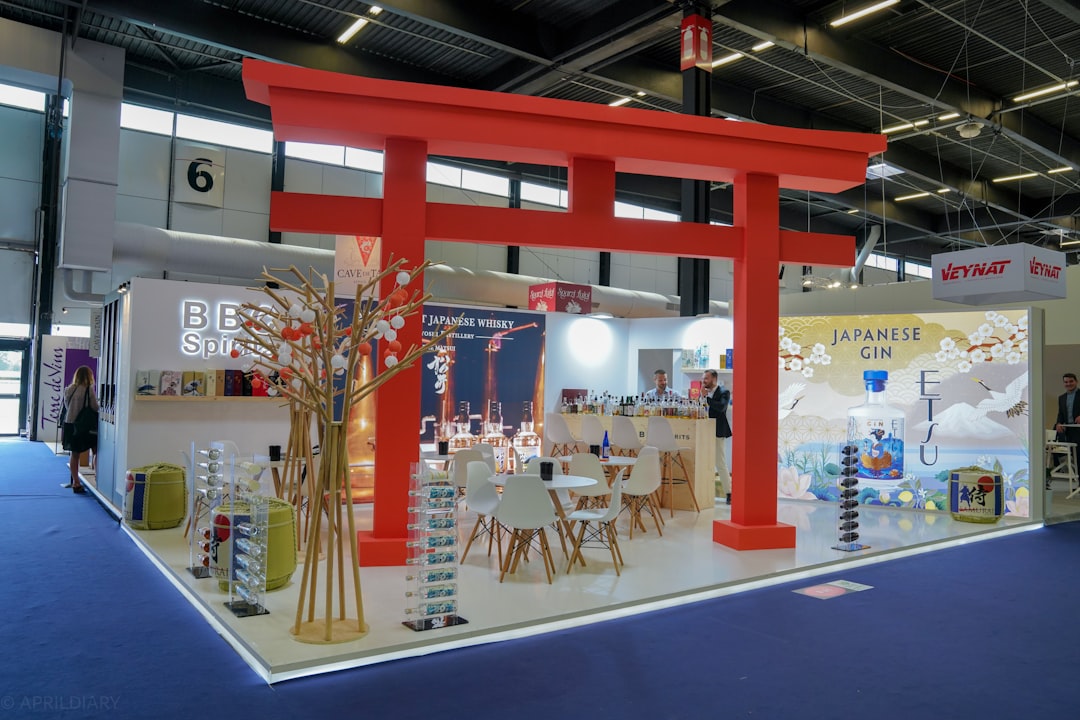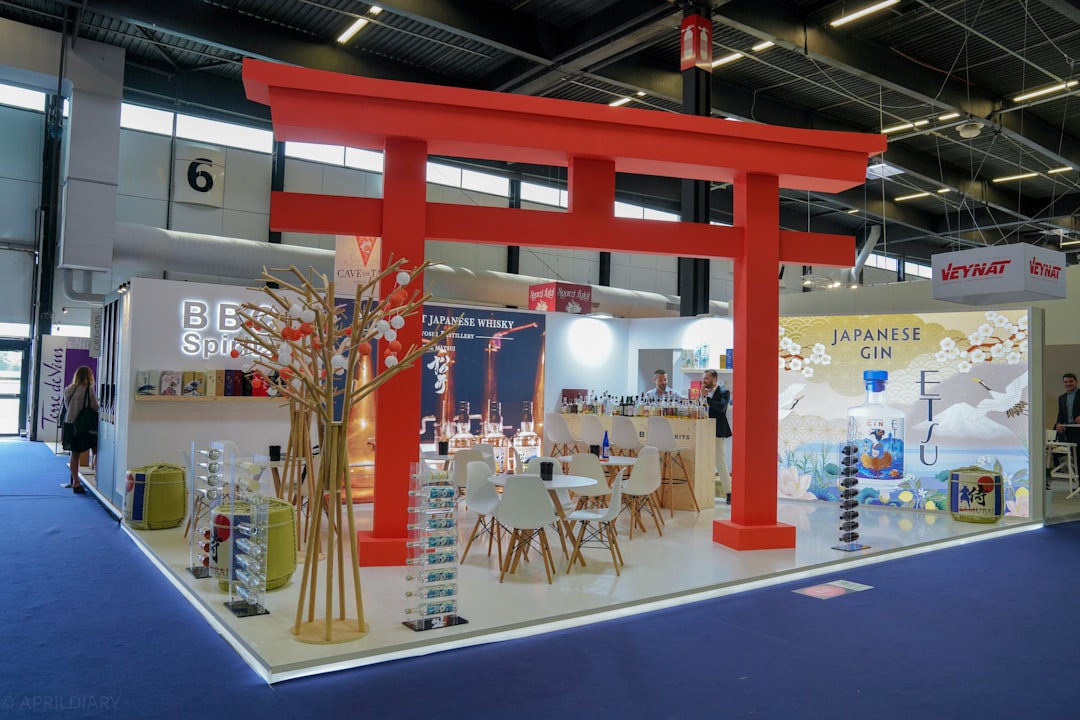
The hospitality zone, the lounge, bar, café area, or relaxed conversation space that sits distinct from formal meeting rooms, has become a defining feature of mid-tier and flagship European exhibition stands. Five years ago a hospitality zone was a flagship-tier indulgence. Today it is standard inclusion on stands above 100 square metres at consumer-facing, design-led, and tier-one B2B fairs.
The shift reflects a substantive change in how European exhibitors understand stand ROI: not as transaction-volume measurement but as brand-relationship-building infrastructure across commercial cycles measured in years.
This article unpacks what hospitality zones actually deliver on European stands, what the design and cost considerations look like in 2026, and how to size hospitality investment to the stand’s commercial objectives. The figures and design patterns draw on observed practice at Messe Frankfurt, IFEMA Madrid, RAI Amsterdam, EuroShop Düsseldorf, Salone del Mobile, Maison&Objet, MWC Barcelona, and Brussels Expo through 2025 contracts.
What hospitality zones actually deliver
The commercial case for hospitality zones rests on four observable effects.
The first is extended dwell time with low-pressure interaction. Visitors at hospitality zones stay six to fifteen minutes longer than visitors at transaction-focused stand zones, and the additional time fills with conversation that builds relationship rather than driving immediate qualification. Relationships built in low-pressure stand contexts mature differently from relationships built in formal sales-meeting contexts.
The second is staff recovery infrastructure. Multi-day European fairs (Hannover Messe is six days; Salone del Mobile is six days; IFA Berlin is five days) exhaust stand staff in ways that affect afternoon-day-three performance. Hospitality zones serve as on-stand recovery space, staff can step into the hospitality area for five minutes between intensive conversations without leaving the stand entirely. The staff-energy effect compounds across the fair days.
The third is peer-visitor networking. Industry peers, journalists, partners, and adjacent-vertical contacts increasingly use exhibitor hospitality zones as informal meeting points. Stands offering hospitality become network hubs that attract foot traffic from beyond the exhibitor’s direct prospect audience. The peer-network effect generates introductions and relationships outside the structured sales pipeline.
The fourth is brand-experience memorability. Visitors who experience hospitality on a stand remember the brand differently from visitors who experience only transaction. Post-fair recall surveys consistently show 1.6 to 2.2 times higher unaided brand recall for stands with substantive hospitality compared to product-focused stands at equivalent fairs.
“We track post-fair pipeline conversion across stand types in our European calendar. Stands with substantial hospitality consistently produce higher pipeline conversion at 6-12 months post-fair than equivalent stands without. The conversion differential is not about who we met at the fair; it’s about who remembered us favourably enough to take a follow-up call.”, Common framing among CEIR member exhibitors discussing hospitality ROI, 2024
Four hospitality zone patterns
European stands in 2026 typically deploy hospitality through one of four patterns. Each carries different cost, capacity, and brand-expression implications.
Pattern 1: Coffee bar (entry-level hospitality)
A staffed espresso bar with bar stools or standing-bar tables. Visitors approach for coffee, stay for conversation, leave with a brand-associated experience. Operationally simple, low capital investment, scales well across stand sizes from 75 sqm upward.
| Element | Per-fair cost (EUR) |
|---|---|
| Bar counter (modular or bespoke) | 2,400-6,800 |
| Espresso machine and barista equipment | 980-2,400 (rental) |
| Barista staff (1 person, full fair) | 1,800-4,200 |
| Bar stools or standing-bar tables | 480-1,400 |
| Coffee, milk, alternatives, supplies | 380-980 |
| Branded cups and napkins | 280-680 |
| Total | 6,320-16,460 |
Coffee bar best fit: tier-one B2B fairs, consumer-electronics fairs, mid-tier brand presence. Particularly strong at fairs with international audiences where coffee culture is part of the universal hospitality language.
Pattern 2: Café-lounge (mid-tier hospitality)
Soft seating with low tables, ambient lighting, and barista-served beverages. More inviting than a bar counter, more space-intensive, supports longer visitor dwell.
| Element | Per-fair cost (EUR) |
|---|---|
| Lounge seating (2-3 sofas, 2-3 lounge chairs) | 1,800-4,800 |
| Low tables, accent furniture | 480-1,400 |
| Ambient lighting (pendants, table lamps) | 680-1,800 |
| Coffee station with barista (often shared with above) | 2,400-5,800 |
| Soft refreshments (water, juice, snacks) | 380-980 |
| Branded acoustic treatments | 880-2,400 |
| Total | 6,620-17,180 |
Café-lounge best fit: design-led fairs, mid-tier B2B stands above 100 sqm, brand-statement positions where relationship-building over multiple visits matters.
Pattern 3: Premium hospitality lounge
Curated environment with bespoke furniture, premium materials, and concierge-style service. Visitors experience the lounge as a destination distinct from the surrounding hall.
| Element | Per-fair cost (EUR) |
|---|---|
| Bespoke seating (sofas, chairs in brand-coherent materials) | 4,800-12,000 |
| Premium tables and accent furniture | 1,800-4,800 |
| Scene-programmable lighting | 2,400-5,800 |
| Premium bar with curated beverage program | 4,800-12,000 |
| Concierge or sommelier-level service staff | 3,800-9,800 |
| Bespoke food and beverage program | 1,800-4,800 |
| Premium materials and finishes | 3,800-9,800 |
| Total | 23,200-58,000 |
Premium lounge best fit: flagship presence at design-led fairs, luxury-category brands at Watches & Wonders and Salone del Mobile, brand-statement stands at EuroShop where stand quality is itself a content theme.
Pattern 4: Full bar with hosted entertainment
Operating bar with full beverage service, potentially live music, scheduled hosted moments. Functions as a network-hub destination drawing visitors from beyond the direct prospect audience.
| Element | Per-fair cost (EUR) |
|---|---|
| Bar counter, back-bar, equipment | 8,500-22,000 |
| Bartender staffing (1-3 staff across fair) | 6,500-18,000 |
| Beverage inventory (alcohol, mixers, soft) | 3,800-12,000 |
| Glassware, bar tools, branded elements | 1,800-4,800 |
| Hosted-moment programming (musician, speaker, sommelier) | 4,800-22,000 |
| Premium furniture and finishes | 8,500-24,000 |
| Licensing and venue surcharges for alcohol service | 1,200-3,800 |
| Total | 35,100-106,600 |
Full bar best fit: flagship presence at consumer-facing or design-led fairs, brand-statement positions where the bar itself becomes social media content. Particularly common at MWC Barcelona, IFA Berlin flagship stands, and Salone del Mobile premium-brand presence.
Hospitality zone sizing relative to stand footprint
Hospitality zones should occupy roughly 12-18% of total stand footprint to deliver design-intent functionality. Smaller allocations create hospitality that feels squeezed and rarely fills with visitors. Larger allocations consume footprint that meeting and product zones would deploy more productively.
| Stand size | Hospitality allocation | Typical hospitality pattern |
|---|---|---|
| 75-100 sqm | 10-15 sqm | Coffee bar |
| 100-150 sqm | 15-22 sqm | Café-lounge |
| 150-250 sqm | 22-40 sqm | Café-lounge or premium lounge |
| 250-400 sqm | 40-65 sqm | Premium lounge or full bar |
| 400+ sqm | 65+ sqm | Full bar with hosted programming |
The allocations represent typical practice at tier-one European fairs. Stands at design-led fairs often allocate at the upper end of each band; stands at vertical B2B fairs at the lower end.
Venue regulations affecting hospitality on stands
European exhibition venues regulate hospitality on stands through three primary mechanisms.
The first is approved-supplier requirements for catering and beverage service. Most major venues require on-stand food and beverage sourcing through venue-approved suppliers. Approved-supplier pricing typically runs 20-40% above equivalent external pricing. Bringing external catering or beverages faces removal, fines, and reputation consequences with the venue.
The second is alcohol-service licensing. Stands serving alcohol require specific venue permits and often licensed bar staff. Permit costs run EUR 480-1,800 per fair depending on venue. Some venues restrict alcohol service to specific stand zones or specific hours.
The third is fire-safety and capacity limits. Hospitality zones with seated capacity above certain thresholds require fire-safety review and may require additional egress provisions. Capacity limits vary by venue but typically trigger above 25 seated visitors.
“We learned at Messe Frankfurt that the approved-catering supplier requirement is enforced strictly. A stand at the same hall was fined EUR 3,400 and required to remove external sandwiches mid-day-two of the fair. We now treat venue catering rules as immutable and budget accordingly.”, Common framing among IFES corporate-member exhibitors
Hospitality ROI measurement
Hospitality zones resist direct ROI measurement because visitors at hospitality zones rarely arrive with formal lead-qualification intent. Three measurement approaches give useful proxies.
The first is dwell-time differential between stand-with-hospitality and stand-without-hospitality across the same exhibitor’s fair calendar. Stands with substantive hospitality typically extend average visitor dwell by 4-8 minutes versus matched stands without.
The second is post-fair brand-recall surveys at 4-8 weeks post-fair. Stands with hospitality typically score 1.6-2.2x higher unaided brand recall than equivalent stands without.
The third is pipeline-conversion tracking at 6-12 months post-fair. Stands with hospitality consistently produce 1.3-1.8x higher pipeline-conversion among visitors who specifically remembered the hospitality experience versus matched visitors from stands without hospitality.
The cumulative hospitality ROI multiplier, where measured rigorously across these three proxies, sits in the 2.2-3.5x band over a 12-18 month attribution window for hospitality investment at the appropriate scale for the stand.
Worked example: 220 sqm stand at MWC Barcelona
A telecommunications brand exhibits at MWC Barcelona on a 220 sqm stand. Brief includes premium hospitality positioning to support relationship-building with both prospects and industry peers.
- Premium hospitality lounge (40 sqm allocation): EUR 38,000
- Curated bar with sommelier-level service: EUR 28,000 (light variant of full-bar pattern)
- Hosted afternoon programming (one industry speaker, three fair days): EUR 8,500
- Premium catering and beverage program across the fair: EUR 6,200
- Total hospitality budget: EUR 80,700 for the fair
The allocation represents roughly 11% of the EUR 720,000 total stand budget, within the 8-15% band typical of premium hospitality investment at flagship MWC Barcelona presence.
Tooling at Exhibition Stands EU
The /builders directory filters builders by their hospitality-zone delivery track record. The /rfq workflow lets you specify hospitality pattern and scope in the initial quote request. The /calculator models hospitality investment within the broader stand budget context.
Related reading
- Meeting Room Cost on European Stands
- Brand Storytelling on Stand
- Stand Design Cost Breakdown
- Exhibitor Experience and Service Design
- Exhibiting in Spain
- Find a Builder
References and primary sources
- CEIR (Center for Exhibition Industry Research), Exhibition Marketing Outcomes Study 2024
- IFES (International Federation of Exhibition and Event Services) member working group papers
- AUMA exhibitor cost benchmarks (2024-2026 edition), auma.de
- FAMAB Verband Direkte Wirtschaftskommunikation member best-practice exchanges
- Messe Frankfurt Technical Guidelines 2026, catering and hospitality sections
- Fira Barcelona Exhibitor Manual 2026, MWC-specific provisions
- Maison&Objet Trade Show Visitor Research 2024
- ISO 22000:2018 Food safety management systems (catering-relevant)
FAQFrequently asked questions
Four observable effects support the commercial case. First, extended dwell time with low-pressure interaction, visitors at hospitality zones stay 6-15 minutes longer than at transaction-focused zones, with the time building relationship rather than driving qualification.
Second, staff recovery infrastructure, multi-day European fairs exhaust staff in ways that affect afternoon-day-three performance; hospitality zones serve as on-stand recovery space. Third, peer-visitor networking, industry peers, journalists, and partners use hospitality zones as informal meeting points, making the stand a network hub.
Fourth, brand-experience memorability, visitors who experienced hospitality show 1.6-2.2x higher unaided brand recall in post-fair surveys than visitors at product-focused stands at equivalent fairs.
Pattern 1 Coffee bar: bar counter, espresso machine, barista, stools, EUR 6,320-16,460 per fair, best fit tier-one B2B and consumer fairs. Pattern 2 Café-lounge: soft seating, ambient lighting, barista-served beverages, EUR 6,620-17,180 per fair, best fit design-led fairs and stands above 100 sqm.
Pattern 3 Premium hospitality lounge: bespoke furniture, premium materials, concierge service, EUR 23,200-58,000 per fair, best fit flagship presence at design-led fairs and luxury-category brands.
Pattern 4 Full bar with hosted entertainment: operating bar, bartender staffing, beverage inventory, hosted-moment programming, EUR 35,100-106,600 per fair, best fit flagship at MWC Barcelona, IFA Berlin, Salone del Mobile.
Hospitality zones should occupy 12-18% of total stand footprint to deliver design-intent functionality. Smaller allocations create hospitality that feels squeezed and rarely fills with visitors; larger allocations consume footprint that meeting and product zones would deploy more productively.
Sizing by stand: 75-100 sqm stands allocate 10-15 sqm typically with coffee bar pattern; 100-150 sqm allocate 15-22 sqm with café-lounge; 150-250 sqm allocate 22-40 sqm with café-lounge or premium lounge; 250-400 sqm allocate 40-65 sqm with premium lounge or full bar; 400+ sqm allocate 65+ sqm with full bar and hosted programming. Design-led fairs lean upper end; vertical B2B fairs lean lower end.
Three primary mechanisms. First, approved-supplier requirements for catering and beverage, most major venues (Messe Frankfurt, Messe Düsseldorf, RAI Amsterdam, IFEMA Madrid) require sourcing through venue-approved suppliers with pricing typically 20-40% above equivalent external pricing; external catering faces removal and fines.
Second, alcohol-service licensing, stands serving alcohol require specific venue permits and licensed bar staff, with permit costs of EUR 480-1,800 per fair and some venues restricting service to specific zones or hours. Third, fire-safety and capacity limits, hospitality zones above 25 seated visitor capacity typically trigger fire-safety review and may require additional egress provisions.
IFES member exhibitors report Messe Frankfurt enforces approved-catering rules strictly with documented EUR 3,400+ fines for violations.
Three proxy measurement approaches because direct ROI is hard to capture. First, dwell-time differential between stand-with-hospitality and stand-without across the same exhibitor’s fair calendar, typical extension is 4-8 minutes versus matched stands without. Second, post-fair brand-recall surveys at 4-8 weeks, stands with hospitality typically score 1.6-2.2x higher unaided brand recall.
Third, pipeline-conversion tracking at 6-12 months post-fair, stands with hospitality consistently produce 1.3-1.8x higher pipeline-conversion among visitors who remembered the hospitality experience versus matched visitors from stands without. Cumulative hospitality ROI multiplier, where rigorously measured across all three proxies, lands in the 2.2-3.5x band over a 12-18 month attribution window.
For a 220 sqm stand at MWC Barcelona with premium hospitality positioning supporting both prospect and industry-peer relationship-building: premium hospitality lounge in 40 sqm allocation (EUR 38,000), curated bar with sommelier-level service (EUR 28,000 light variant of full-bar pattern), hosted afternoon programming with one industry speaker across three fair days (EUR 8,500), and premium catering and beverage program across the fair (EUR 6,200).
Total hospitality budget EUR 80,700 for the fair, representing roughly 11% of a EUR 720,000 total stand budget, within the 8-15% band typical of premium hospitality investment at flagship MWC Barcelona presence. The investment justifies through industry-peer network amplification that extends well beyond the exhibitor’s direct prospect audience.