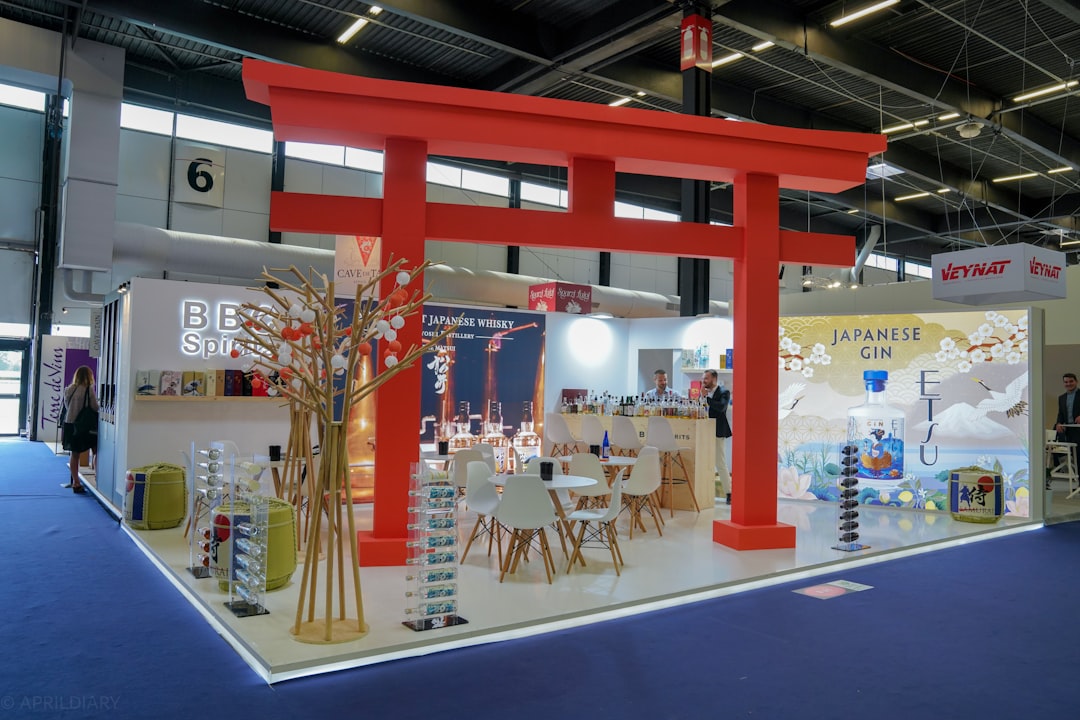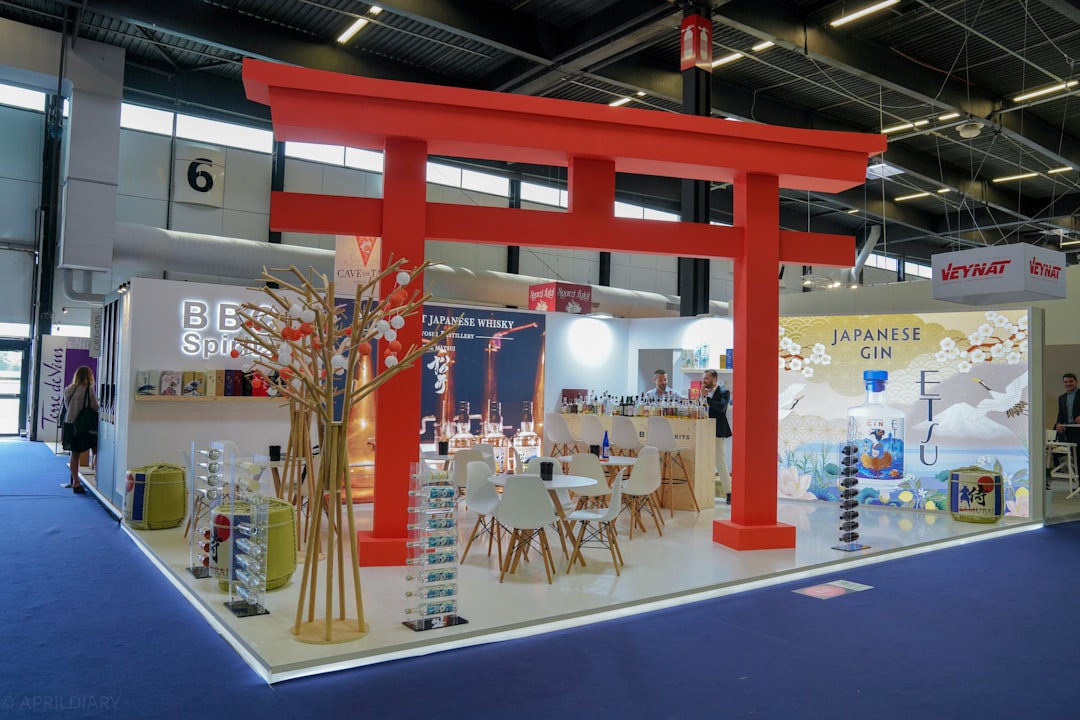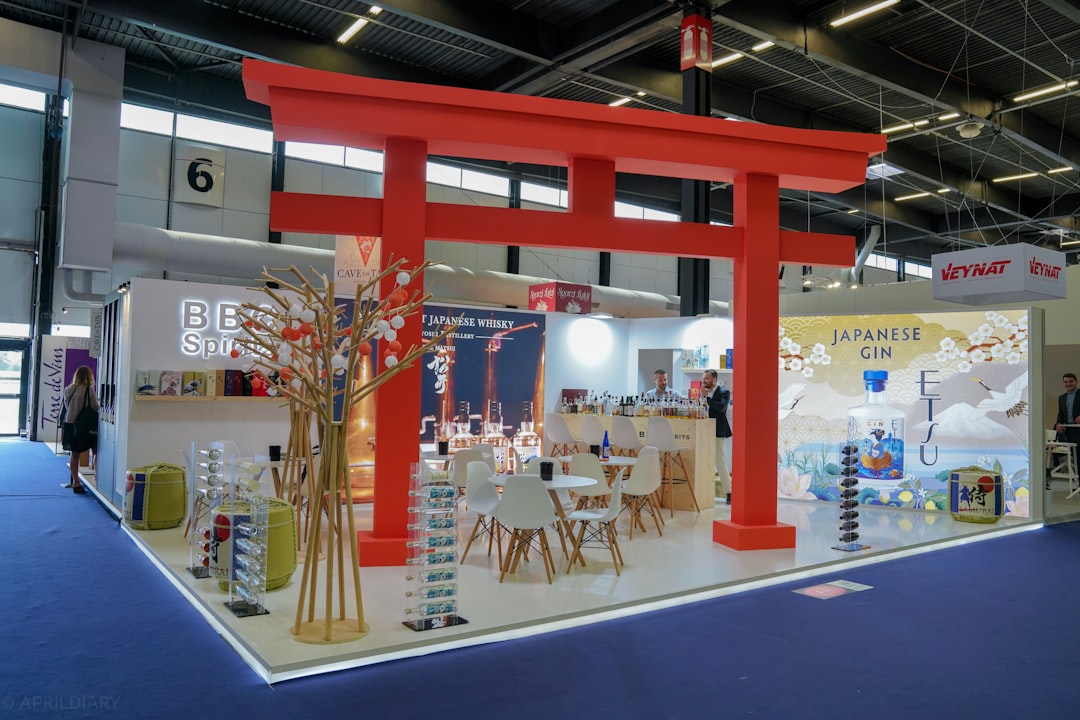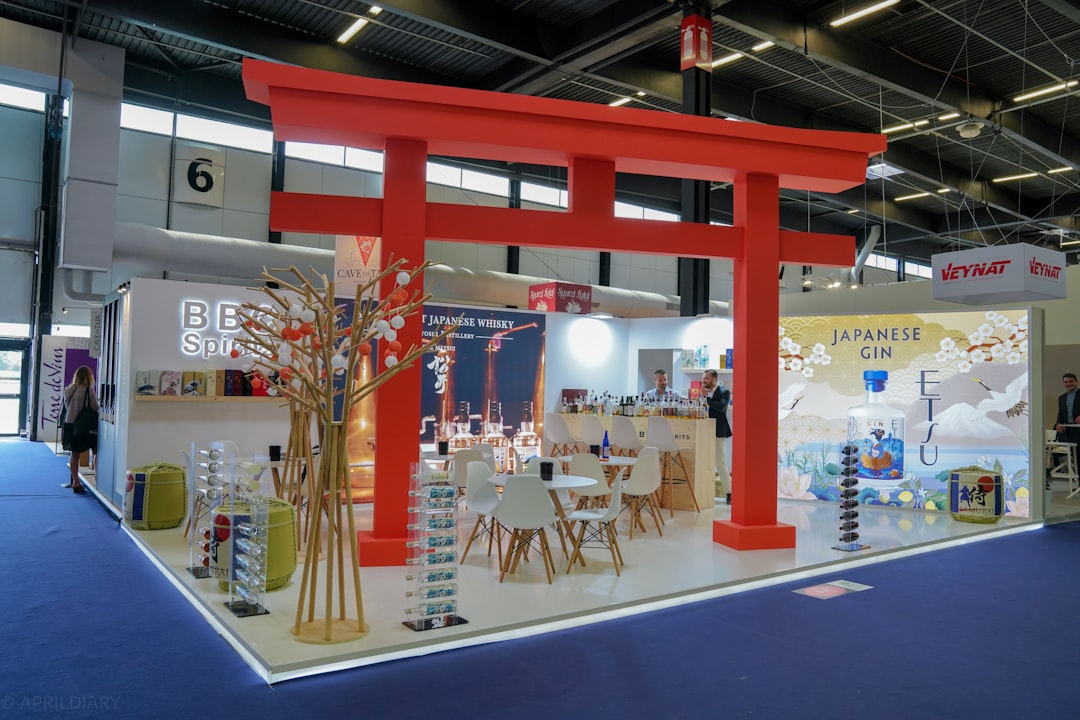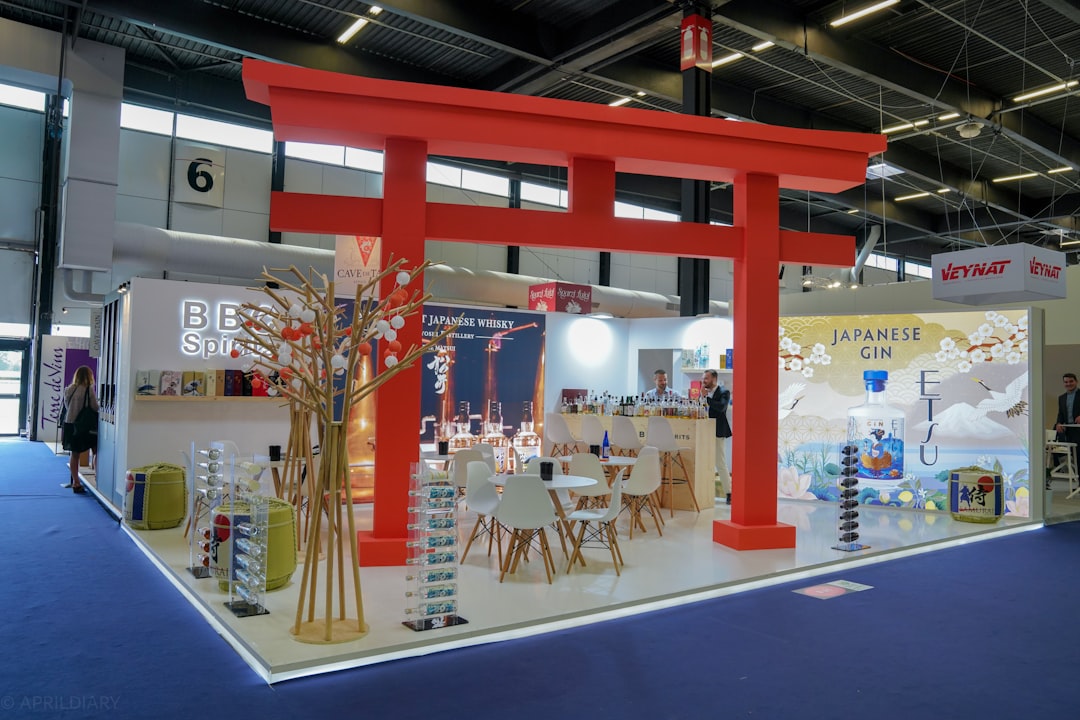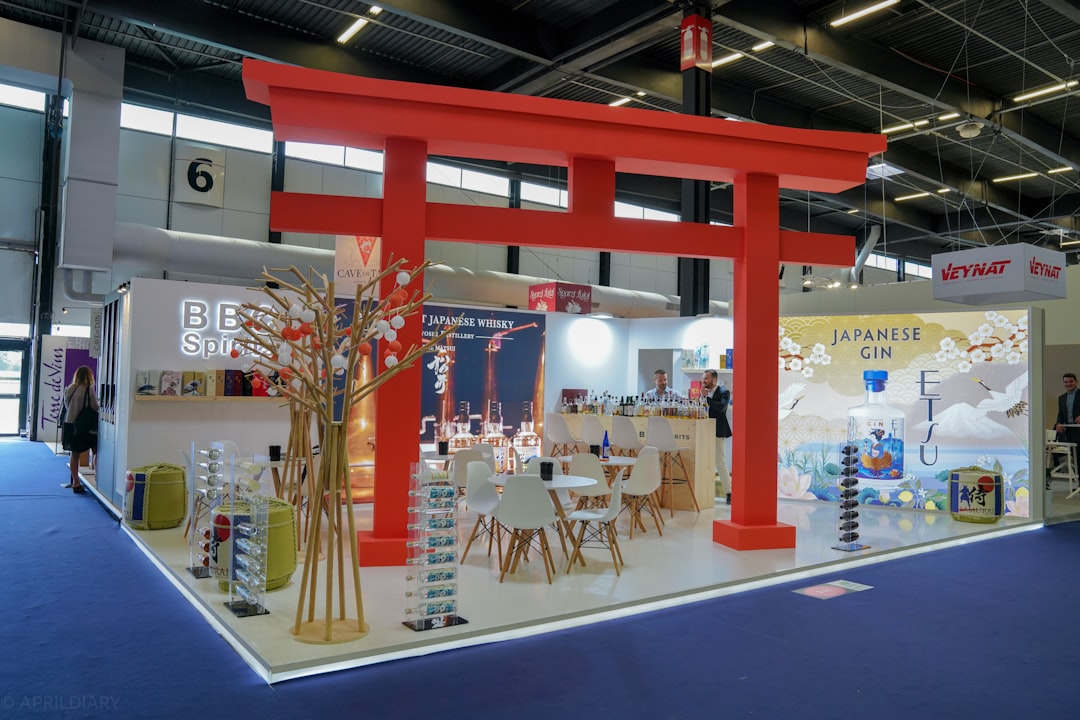
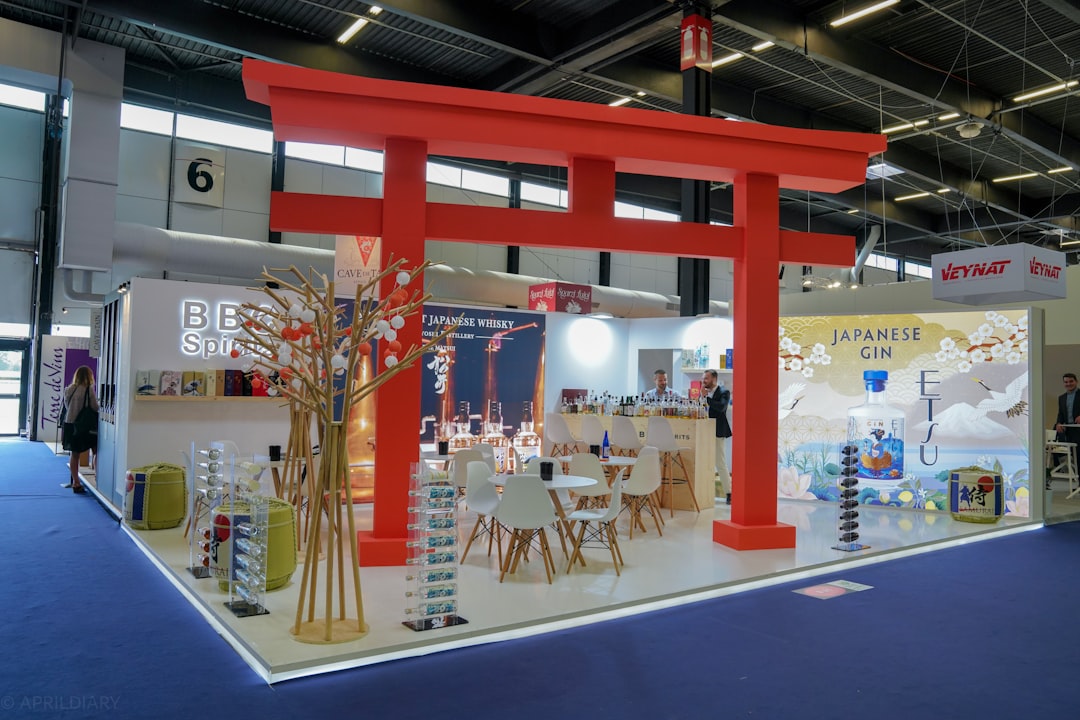
The European exhibition stand-build market is approximately EUR 3.5-4 billion in annual turnover across roughly 600 mid-to-large specialist builders plus a long tail of smaller and freelance operators.
Procurement decisions for major fair stands typically involve 5-25% of total fair budget allocated to stand build itself plus another 10-15% to AV/digital interactive elements that builders increasingly source, making stand-builder selection one of the higher-stakes procurement decisions in exhibitor calendars.
The procurement pattern has matured significantly since 2020. Where pre-pandemic stand-builder selection often ran on relationship and previous-fair experience without formal tendering, the 2022-2026 period saw structured RFP processes become standard practice across exhibitors above EUR 100,000 annual fair-budget threshold.
This handbook covers the structured RFP process that produces defensible procurement outcomes, the scoring framework that aligns with CSRD and procurement-governance requirements, the contract terms that protect both exhibitor and builder, and the patterns where RFP processes consistently produce better commercial and operational outcomes than relationship-only selection.
Why structured RFP became standard practice
Four drivers converged in 2022-2025:
1. CSRD reporting compliance. Exhibitors required to file CSRD-aligned sustainability reports from FY2025 onwards need supplier scope-3 emissions data, sustainable-materials documentation chain, and ISO 20121 verification, all of which require structured procurement processes that document supplier evaluation against environmental criteria.
See Modular vs custom CSRD lifecycle carbon for the broader CSRD context.
2. Procurement governance maturity. Larger exhibitors with central procurement functions (typical threshold: EUR 250M+ revenue with documented procurement governance) require RFP processes for spend categories above defined thresholds, typically EUR 50,000-100,000. Stand-build spend at major fairs routinely exceeds these thresholds.
3. EU Product Liability Directive 2024⁄2853. The new strict-liability framework effective December 2026 makes supplier-selection documentation evidence in liability disputes. The RFP process produces the audit trail. See EU Product Liability Directive 2024⁄2853 exhibitor exposure.
4. Builder commoditisation pressure. The European stand-builder market has commoditised at the lower end (modular stands, repeated rentals) with builders competing on price-and-process while differentiating at the higher end (custom premium builds) on design and operational depth. Structured RFP enables informed builder comparison rather than incumbent loyalty.
The seven-stage RFP framework
Stage 1: Requirement specification (6-8 weeks before RFP issue).
Document the stand brief covering:
- Stand size (sqm) and stand type (in-line, peninsular, island, double-decker)
- Fair calendar covered (single fair vs annual circuit, transferability requirements)
- Design intent (custom vs modular vs hybrid, brand integration, key visual elements)
- Technical requirements (AV scope, lighting design, interactive elements, demo equipment integration)
- Hospitality requirements (meeting rooms, hospitality bar, catering integration)
- Sustainability requirements (FSC chain-of-custody, recycled-content thresholds, ISO 20121 alignment, end-of-life take-back)
- Operational requirements (build window, dismantle window, on-site management presence)
- Budget envelope (range, not single point) and payment terms
Common failure: incomplete specification produces builder quotes on different scopes that are not comparable. The RFP investment time at this stage materially affects later evaluation quality.
Stage 2: Builder long-list (4-6 weeks before RFP issue).
Identify 8-15 candidate builders meeting baseline criteria:
- Demonstrated experience in the relevant fair (or comparable fairs in the same venue category)
- Capacity for the stand-size and complexity tier
- Geographic alignment (German-based builder for German fairs, French-based for French fairs, where local presence matters; multi-country builders for circuit programmes)
- Sustainability credentials at minimum baseline (FSC chain-of-custody, ISO 20121 alignment or in-progress, EcoVadis or similar third-party assessment)
- Financial stability (audited accounts, no recent insolvency events)
- Insurance coverage (public liability EUR 5-10M, product liability EUR 10-25M)
| Builder tier | Typical size | Geographic scope | Stand budget fit |
|---|---|---|---|
| Tier 1 international | 200+ FTE, EUR 50M+ revenue | Pan-European with local offices | EUR 250,000+ per stand |
| Tier 2 regional | 50-200 FTE, EUR 8-50M revenue | National or 2-3 country | EUR 80,000-500,000 |
| Tier 3 specialist | 15-50 FTE, EUR 2-8M revenue | Regional or single-country | EUR 30,000-150,000 |
| Tier 4 boutique | <15 FTE | Local | EUR 10,000-80,000 |
The long-list should include builders from multiple tiers when stand requirements span tier boundaries, tier-1 builders may decline smaller stands; tier-3 specialists may lack capacity for major stands. Mix the list to surface the true value-for-budget at each tier.
Stage 3: RFP issue (3-5 weeks lead time for builder response).
The RFP document should include:
- Cover letter with RFP timeline, response deadline, evaluation timeline, contract award timeline
- Stand brief from Stage 1
- Scoring framework (shared with builders to enable informed proposal targeting)
- Required proposal sections (design narrative, project plan, team CVs, sustainability documentation, references, commercial terms, contract markup)
- Standard contract terms (typically provided as appendix for builder review/markup with proposal)
- Confidentiality and IP terms
The 3-5 week response window is the standard practice, shorter windows favour incumbents who can recycle previous proposals; longer windows are not generally needed and slow procurement velocity.
Stage 4: Builder Q&A (1-2 weeks into RFP window).
Run a structured Q&A process where builder questions are collected, answered, and shared with all RFP participants, preserves equal-information competitive dynamics. Most exhibitors use simple shared-document or email-distribution Q&A; larger procurement functions use procurement-platform Q&A modules.
Stage 5: Proposal evaluation (1-2 weeks after RFP deadline).
Score proposals against the published framework. Typical weighting:
| Criterion | Typical weight | Notes |
|---|---|---|
| Design quality and brand alignment | 25-35% | Subjective, evaluated by exhibitor brand and marketing leadership |
| Technical capability and execution plan | 15-20% | Objective, evaluated by project/operations team |
| Sustainability credentials and ESRS documentation | 10-15% | Increasing weight as CSRD reporting matures |
| Project team and senior account leadership | 10-15% | Evaluation of named project director and key personnel |
| Commercial terms and pricing | 20-30% | Total cost, payment terms, change-order pricing |
| References and demonstrated experience | 10-15% | Verified through reference calls with named past clients |
| Contract terms responsiveness | 5-10% | Builder’s markup of standard contract terms |
The scoring framework should be calibrated before scoring begins, different evaluators applying different mental thresholds produces inconsistent scoring. Calibration typically involves 1-2 reference proposals scored together by the evaluation team to align scoring scales.
Stage 6: Shortlist and presentation (typically 3 finalists).
The top-scored 3 builders present in person or over video conference, typically 60-90 minutes each:
- Design proposal walk-through
- Project team introduction (the people who will actually deliver, not just sales)
- Reference questions
- Commercial term clarification
- Direct exhibitor questions
Reference calls with named past clients run in parallel, 2-3 references per shortlisted builder, structured questions covering project delivery, change management, on-site execution, dispute resolution, commercial integrity.
Stage 7: Contract award and contracting.
The award decision documented in a procurement memo summarising scoring, shortlist outcomes, reference findings, and award rationale. The memo is the procurement-governance artifact required for CSRD supplier-evaluation documentation and for defensible position in subsequent disputes.
Contract finalisation typically runs 2-4 weeks from award decision to signed contract, depending on legal complexity. Most exhibitors operate from a master stand-build services agreement plus stand-specific work orders for individual fairs.
The contract terms that matter
Eight contract provisions consistently produce material outcomes:
1. Scope definition and change management. The signed scope must mirror the proposal scope precisely. Change orders must follow a documented process with pre-approval before work proceeds, verbal change agreements during build week consistently produce disputed invoicing.
2. Payment milestones and retention. Standard pattern: 30% deposit on contract signing, 30% on design approval, 30% on stand delivery to venue, 10% retention released 30-60 days after fair close subject to dismantle completion and snag resolution. Larger stands may shift to 4-5 milestone payments. Builder cash flow drives push-back on retention; exhibitor risk management drives push-back on early-stage payment percentages.
3. Insurance and liability allocation. Builder responsible for build-related public liability and product liability; exhibitor responsible for product-content liability and visitor data. Both should carry adequate coverage and provide certificates. EU Product Liability Directive 2024⁄2853 makes allocation explicit for substantially-modified reused elements, see EU PLD 2024⁄2853.
4. Sustainability obligations. FSC chain-of-custody requirements, recycled-content minimums, end-of-life take-back provisions, ISO 20121 documentation requirements, supplier-emissions reporting for CSRD scope-3 inclusion. These become enforceable contract obligations rather than aspirational language.
5. Intellectual property. Design IP typically vests in builder for unique design elements with exhibitor licence to reuse; brand and content IP vests in exhibitor with builder licence to deliver. Distinct from US convention where design IP often vests in client by default.
6. Performance standards and acceptance criteria. Defined acceptance criteria at stand handover, venue acceptance walkthrough, snag list resolution timeline, defect liability period typically 12 months.
7. Termination rights. Termination for cause (material breach, insolvency, regulatory non-compliance) with defined notice and cure periods. Termination for convenience with payment for work done plus reasonable demobilisation costs. Builder protection against speculative termination late in build cycle when re-procurement is impossible.
8. Dispute resolution. Jurisdiction and governing law (typically where stand is built or builder is headquartered), mediation-then-arbitration escalation rather than direct litigation, defined dispute resolution timeline.
Pricing patterns and total-cost considerations
Stand-build pricing varies materially by tier, country, complexity and brief alignment:
| Stand profile | Typical EUR per sqm range (2026) | Notes |
|---|---|---|
| Modular rental, in-line | 280-500 | Repeated reuse, low customisation |
| Modular hybrid, peninsular | 500-900 | Some custom elements |
| Custom design, peninsular 50-100 sqm | 900-1,800 | Bespoke design, multi-fair use |
| Custom design, island 150-300 sqm | 1,400-2,800 | High-spec finishes, AV integration |
| Custom flagship, 400+ sqm | 2,000-4,500+ | Major brand activations, double-decker |
| Double-decker premium 200+ sqm | 2,800-5,500+ | Engineered upper-floor structure |
The per-sqm pricing excludes AV technology integration (typically EUR 300-2,500/sqm additional depending on interactive scope), demo equipment integration (variable), pre-fair logistics, on-site labour during build/dismantle outside contracted hours, change orders, and post-fair storage/refurbishment.
The most consistent over-budget pattern across exhibitor procurement is change-order accumulation during build week. Builders typically price change orders at premium hourly rates (EUR 80-220/hour plus material cost markup). Stand briefs that crystallise late and change repeatedly during build accumulate 20-40% over the original contract value through change orders.
CSRD ESRS supplier disclosure overlap
For exhibitors filing CSRD reports from FY2025 onwards, stand-builder selection is a supplier-relationship that flows into ESRS disclosures:
- ESRS E1 (climate change), supplier scope-3 emissions reporting requires stand-builder emissions data for the build, transport and operations of the stand.
- ESRS E5 (resource use and circular economy), stand-builder material sourcing and end-of-life management documented through procurement.
- ESRS S2 (workers in the value chain), builder labour practices including subcontractor management.
- ESRS G1 (business conduct), supplier integrity, anti-corruption, audit-trail documentation.
The RFP process is the procurement-side mechanism that produces the supplier-evaluation documentation for ESRS reporting. Exhibitors who run structured RFPs from FY2025 onwards have natural CSRD compliance momentum; exhibitors using relationship-only selection face retrofit documentation burden when CSRD reporting cycles begin.
When relationship-only selection still works
Structured RFP is not always optimal. Three scenarios where incumbent builder reappointment without competitive tendering produces better outcomes:
1. Multi-year repeat-fair stand reuse. When the same stand serves multiple fairs across multiple years with modest refresh changes, the incumbent builder’s familiarity with the modular elements, brand standards and operational pattern materially reduces risk versus re-procurement. Document the rationale to satisfy procurement governance, many large exhibitors have “trusted supplier panel” mechanisms that permit non-RFP reappointment subject to performance and pricing verification.
2. Time-critical first appearance. Late-decision fair entries (typical of acquisition-driven brand additions or competitive response to market events) sometimes do not allow the 6-12 week RFP cycle. Direct appointment from a pre-vetted panel produces faster commitment than full RFP.
3. Highly specialist build requirements. When stand brief requires capabilities held by only 2-3 European builders (specialist double-decker engineering, distinctive material capabilities, very large flagship builds), the long-list is the shortlist and full RFP overhead exceeds value.
For these scenarios document the rationale; do not abandon the procurement discipline entirely.
Conclusion
The European stand-builder market matured into structured procurement during 2022-2026 driven by CSRD reporting, procurement governance maturity, EU PLD strict-liability documentation requirements, and competitive market dynamics.
Exhibitors who run disciplined RFP processes consistently produce better commercial outcomes (typical 8-18% cost reduction vs incumbent reappointment), better technical execution (structured scoring surfaces capability gaps that relationship loyalty obscures), better sustainability outcomes (CSRD-aligned documentation chain), and better dispute resolution position (procurement memos as evidence of due diligence).
The investment in RFP discipline is 80-160 hours of internal procurement time per major fair budget cycle. For exhibitor programmes above EUR 500,000 annual stand-build spend the time investment returns positive net value in nearly all cases. For smaller programmes the trusted-panel reappointment with periodic competitive verification can produce equivalent governance with less overhead.
See companion articles on CFO-defensible trade-fair ROI for the budget defence framework that RFP outcomes support, and Modular vs custom lifecycle carbon CSRD ISO 20121 for the sustainability-evaluation framework that maps into RFP scoring.
References
- ISO 20121:2024, “Event sustainability management systems, Requirements with guidance for use”, International Organization for Standardization
- AUMA Technical Guidelines for Trade Fair Stands, auma.de
- European Federation for the Exhibition Industry (EFEA), exhibitionindustry.eu
- UFI The Global Association of the Exhibition Industry, ufi.org
- Directive (EU) 2022⁄2464 of the European Parliament and of the Council on Corporate Sustainability Reporting (CSRD) and the European Sustainability Reporting Standards (ESRS) delegated acts
- Directive (EU) 2024⁄2853 of the European Parliament and of the Council of 23 October 2024 on liability for defective products
- FSC International, “FSC Chain of Custody Certification”, fsc.org
- EcoVadis sustainability ratings, ecovadis.com
FAQFrequently asked questions
Four drivers converged in 2022-2026. CSRD reporting compliance, exhibitors filing CSRD-aligned sustainability reports from FY2025 onwards need supplier scope-3 emissions data, sustainable-materials documentation chain and ISO 20121 verification, all requiring structured procurement processes that document supplier evaluation against environmental criteria.
Procurement governance maturity, larger exhibitors with central procurement functions (typical threshold EUR 250M+ revenue) require RFP processes for spend categories above defined thresholds typically EUR 50,000-100,000, with stand-build spend at major fairs routinely exceeding these.
EU Product Liability Directive 2024⁄2853, the new strict-liability framework effective December 2026 makes supplier-selection documentation evidence in liability disputes; the RFP process produces the audit trail.
Builder commoditisation pressure, the European stand-builder market has commoditised at the lower end with builders competing on price-and-process while differentiating at the higher end on design and operational depth, making structured RFP enable informed builder comparison rather than incumbent loyalty.
Stage 1: Requirement specification 6-8 weeks before RFP issue, document stand brief covering size, type, fair calendar, design intent, technical and sustainability requirements, operational requirements, budget envelope and payment terms.
Stage 2: Builder long-list 4-6 weeks before RFP issue, identify 8-15 candidate builders meeting baseline criteria (experience, capacity, geographic alignment, sustainability credentials, financial stability, insurance coverage).
Stage 3: RFP issue with 3-5 week response lead time, issue RFP document with cover letter, stand brief, scoring framework (shared with builders), required proposal sections and standard contract terms. Stage 4: Builder Q&A 1-2 weeks into RFP window, structured Q&A with answers shared with all participants.
Stage 5: Proposal evaluation 1-2 weeks after deadline, score proposals against published framework with evaluator calibration before scoring begins. Stage 6: Shortlist and presentation typically 3 finalists, 60-90 minute presentations plus parallel reference calls.
Stage 7: Contract award documented in procurement memo summarising scoring, shortlist outcomes, reference findings and rationale, the memo is the procurement-governance artifact for CSRD supplier-evaluation documentation.
Design quality and brand alignment 25-35% (subjective, evaluated by exhibitor brand and marketing leadership). Technical capability and execution plan 15-20% (objective, evaluated by project/operations team). Sustainability credentials and ESRS documentation 10-15% (increasing weight as CSRD reporting matures).
Project team and senior account leadership 10-15% (evaluation of named project director and key personnel, not sales team). Commercial terms and pricing 20-30% (total cost, payment terms, change-order pricing). References and demonstrated experience 10-15% (verified through reference calls with named past clients). Contract terms responsiveness 5-10% (builder’s markup of standard contract terms). Total 100%.
The scoring framework should be calibrated before scoring begins, different evaluators applying different mental thresholds produces inconsistent scoring. Calibration typically involves 1-2 reference proposals scored together by the evaluation team to align scoring scales. The framework should be shared with builders in the RFP document to enable informed proposal targeting.
Scope definition and change management, signed scope must mirror proposal scope precisely; change orders must follow documented process with pre-approval before work proceeds (verbal change agreements during build week consistently produce disputed invoicing).
Payment milestones and retention, standard pattern 30% deposit / 30% design approval / 30% stand delivery / 10% retention released 30-60 days post-fair subject to dismantle and snags.
Insurance and liability allocation, builder responsible for build-related liability, exhibitor responsible for product-content and visitor data liability; EU PLD 2024⁄2853 makes allocation explicit for substantially-modified reused elements.
Sustainability obligations, FSC chain-of-custody, recycled-content minimums, end-of-life take-back, ISO 20121 documentation, supplier-emissions reporting become enforceable contract obligations rather than aspirational language. Intellectual property, design IP typically vests in builder with exhibitor reuse licence; brand and content IP vests in exhibitor with builder delivery licence.
Performance standards and acceptance criteria, defined acceptance walkthrough, snag resolution timeline, defect liability period typically 12 months. Termination rights, cause-based with notice and cure periods, convenience-based with payment for work done plus reasonable demobilisation. Dispute resolution, jurisdiction and governing law, mediation-then-arbitration escalation, defined timeline.
Modular rental in-line EUR 280-500/sqm (repeated reuse, low customisation). Modular hybrid peninsular EUR 500-900/sqm (some custom elements). Custom design peninsular 50-100 sqm EUR 900-1,800/sqm (bespoke design, multi-fair use). Custom design island 150-300 sqm EUR 1,400-2,800/sqm (high-spec finishes, AV integration). Custom flagship 400+ sqm EUR 2,000-4,500+/sqm (major brand activations, double-decker).
Double-decker premium 200+ sqm EUR 2,800-5,500+/sqm (engineered upper-floor structure). Per-sqm pricing excludes AV technology integration (typically EUR 300-2,500/sqm additional depending on interactive scope), demo equipment integration (variable), pre-fair logistics, on-site labour during build/dismantle outside contracted hours, change orders, post-fair storage/refurbishment.
The most consistent over-budget pattern across exhibitor procurement is change-order accumulation during build week, builders typically price change orders at premium hourly rates EUR 80-220/hour plus material cost markup. Stand briefs that crystallise late and change repeatedly during build accumulate 20-40% over original contract value through change orders.
Locking the brief before contract signing is the highest-leverage cost-control discipline.
Three scenarios where incumbent reappointment without competitive tendering produces better outcomes.
Multi-year repeat-fair stand reuse, when the same stand serves multiple fairs across multiple years with modest refresh changes, the incumbent’s familiarity with modular elements, brand standards and operational pattern materially reduces risk versus re-procurement; document rationale to satisfy procurement governance through ‘trusted supplier panel’ mechanisms permitting non-RFP reappointment subject to performance and pricing verification.
Time-critical first appearance, late-decision fair entries (acquisition-driven brand additions, competitive response to market events) sometimes do not allow the 6-12 week RFP cycle; direct appointment from a pre-vetted panel produces faster commitment than full RFP.
Highly specialist build requirements, when stand brief requires capabilities held by only 2-3 European builders (specialist double-decker engineering, distinctive material capabilities, very large flagship builds), the long-list is the shortlist and full RFP overhead exceeds value. For these scenarios document the rationale; do not abandon procurement discipline entirely.
For exhibitor programmes above EUR 500,000 annual stand-build spend the RFP time investment (80-160 hours per major fair budget cycle) returns positive net value in nearly all cases through 8-18% typical cost reduction vs incumbent reappointment.