Every first-time European exhibitor has the same conversation with their CFO four to six weeks after their first major fair. The conversation starts with a printed invoice and ends with a question that has only one honest answer: yes, these charges were technically disclosed in the exhibitor manual, and no, they were not in the budget.
The pattern is so consistent across European venues that AUMA’s exhibitor benchmark commentary treats it as a baseline expectation: first-time exhibitors at major German and European fairs typically incur 8 to 12 percent in costs beyond the explicitly budgeted line items.
This article walks through the eighteen line items that most consistently surface as budget surprises at major European trade fairs, with typical EUR ranges and the mitigations experienced exhibitors apply. The material draws on AUMA exhibitor surveys, exhibitor briefings from Deutsche Messe, Messe Frankfurt, Messe Düsseldorf, Koelnmesse, IFEMA, Fiera Milano, RAI Amsterdam, and ESSA, and on first-time exhibitor post-mortems documented across mid-market European exhibitors.
Why hidden costs persist
The hidden costs are not actually hidden. They are disclosed in the technical exhibitor manuals every major European venue publishes. The problem is that those manuals run to 60-120 pages of detailed regulations and fee schedules, and first-time exhibitors typically read them only when a specific question arises rather than cover-to-cover.
A second pattern reinforces the surprise: several venue charges (catering, cleaning, waste disposal, security) are invoiced after the event at venue-rate pricing rather than included in the initial space-rental quote. The budgeted space rental looks complete in the contracting phase, then incremental venue invoices arrive over the following six weeks.
“Eight to twelve percent of total participation cost typically surfaces in line items first-time exhibitors didn’t anticipate. The fees are disclosed in venue exhibitor manuals; the problem is that first-time exhibitors don’t operationalise the manual as a budget input.”, AUMA Exhibitor Survey commentary on first-time exhibitor budget patterns, 2025
The eighteen hidden cost categories
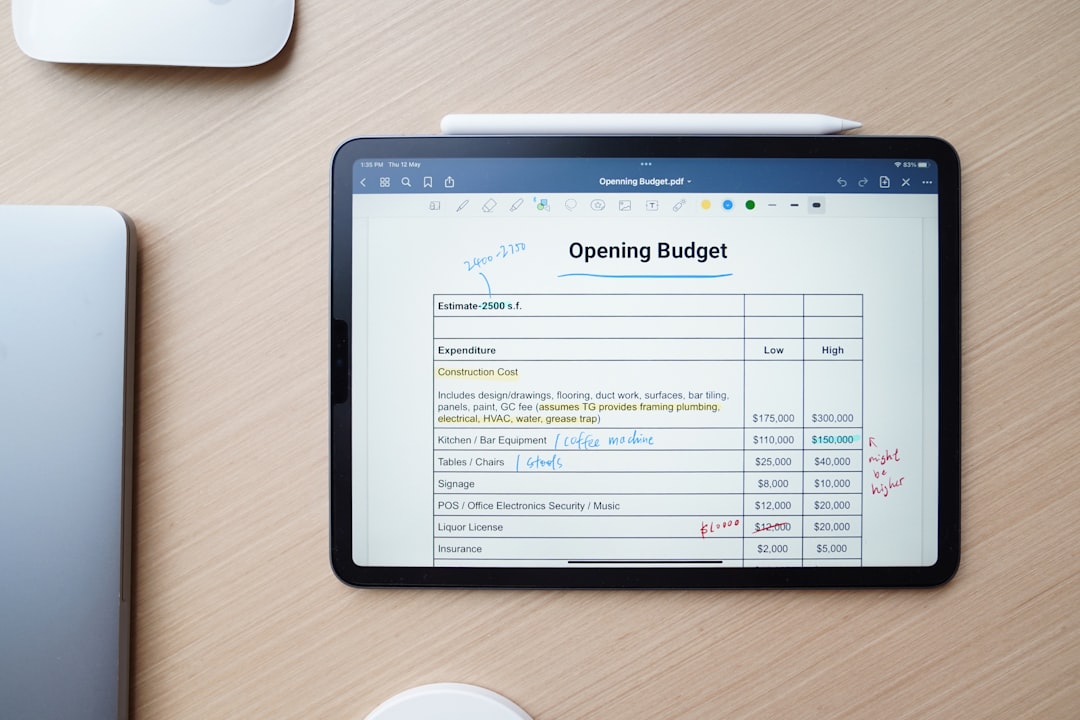
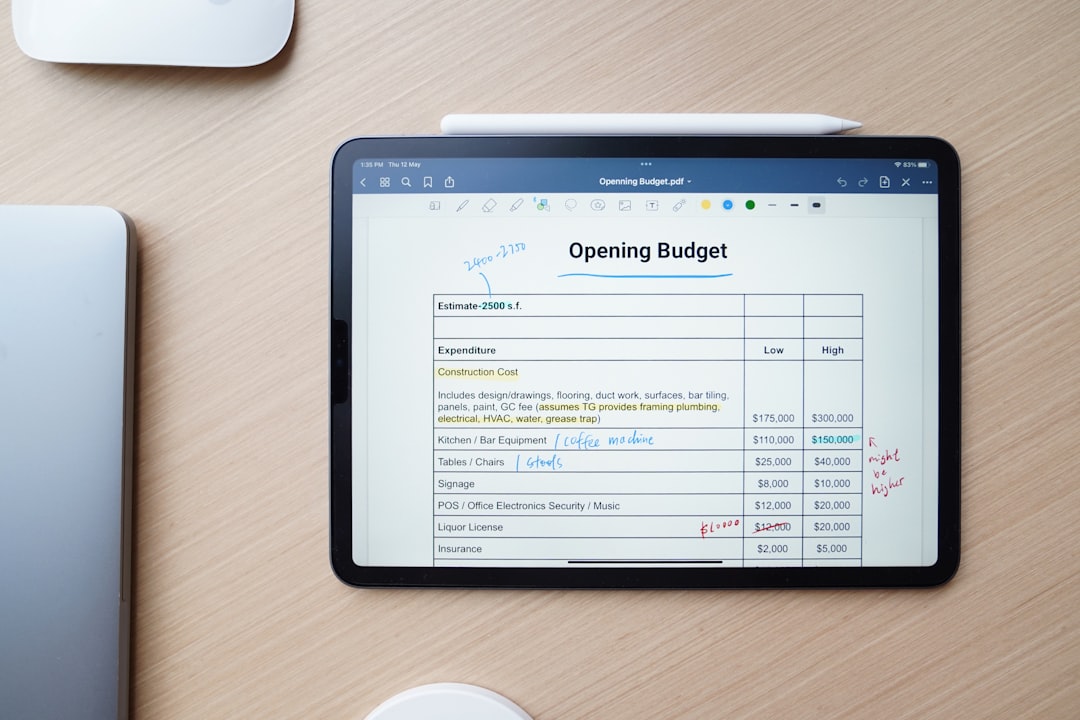
The table below summarises the eighteen categories that most consistently surface beyond explicit budget. Ranges are mid-band observations at major European tier-one and tier-two fairs.
| Category | Typical range (EUR, 75 sqm stand) | Often invoiced | Notes |
|---|---|---|---|
| Compulsory organiser catering (basic staff service) | 1,500-4,000 | After event | Frankfurt, Düsseldorf, Hannover, Cologne |
| Compulsory cleaning service | 600-1,800 | After event | Most major German messes |
| Rigging and ceiling suspension deposits | 800-3,500 | At commitment | Refundable if no damage |
| Stand engineering approval review | 500-2,000 | At drawing submission | Custom and tall stands |
| Waste disposal at dismantle | 600-2,500 | After dismantle | By weight or volume |
| Power connection beyond included allowance | 400-1,800 | After commitment | Heavy AV or demo loads |
| Water connection and drainage | 300-900 | After commitment | Catering or product demos |
| Internet and connectivity (premium WiFi) | 800-2,500 | After commitment | Venue-provided |
| Venue parking permits for staff cars | 300-1,200 | After commitment | Per car per show |
| Compulsory security for high-value goods | 1,500-5,000 | After commitment | Jewellery, electronics |
| Insurance (event liability above venue minimum) | 600-2,500 | Annual | Often missing from event budget |
| Carnet and customs broker fees | 800-3,500 | Per shipment | UK-EU shipments since 2021 |
| Late changes to exhibitor information | 200-800 | After commitment | Per change |
| Overtime install and dismantle (premium rates) | 800-3,500 | After install/dismantle | Stand exceeding allowed window |
| Stand-builder per-diem and accommodation | 1,500-5,000 | Inside build contract | Often invisible in build quotes |
| Branded press kit production | 800-3,500 | Pre-show | Often omitted from PR budget |
| Translation and interpreter services | 1,200-4,500 | During show | Multilingual stand staffing |
| On-stand staff uniforms and branding | 600-2,500 | Pre-show | Frequently forgotten until late |
The categories above are presented in a 75 sqm stand context. Larger stands scale most of these costs roughly linearly with footprint. Hospitality-heavy participations see catering and water-connection costs scale faster than linearly.
Compulsory venue services: the largest hidden bucket
Most major German messes and several other European venues apply compulsory exclusive arrangements for catering, cleaning, and basic stand servicing. The compulsory layer is invoiced after the event at venue-rate pricing.
At Deutsche Messe Hannover, compulsory catering covers basic staff service (coffee, water, breakfast pastries) at approximately EUR 35-55 per stand-staff-per-day. A 75 sqm stand with 8 staff over 5 days incurs roughly EUR 1,800-2,200 in compulsory catering before any client hospitality is added.
At Messe Frankfurt, the structure is similar but with slightly higher venue rates. Light + Building and Automechanika exhibitors typically see EUR 2,000-3,500 in compulsory catering on equivalent stand configurations.
Compulsory cleaning runs EUR 600-1,800 for equivalent stand sizes across most major German venues. The service covers carpet vacuuming, stand surface wiping, waste removal, and floor maintenance during open hours.
“First-time exhibitors are routinely surprised by the post-event invoicing on catering, cleaning, and waste disposal. The total can easily reach two to three thousand euros on a mid-size stand. These services are compulsory at most major German venues, they cannot be substituted with cheaper external providers.”, Messe Frankfurt exhibitor briefing series, 2024-2025
Stand approval, rigging, and engineering review
Custom and hybrid builds require formal engineering review by the venue. The review verifies structural safety, height compliance, fire-safety material certification, and electrical-load specification.
Standard engineering review for a custom stand under 4 metres ceiling height runs EUR 500-1,200 in fees. Tall stands (above 4 metres) trigger additional safety review at EUR 300-800. Suspended structures (hanging banners, ceiling-mounted lighting trusses, suspended logos) trigger rigging engineering review at EUR 500-1,500 plus rigging deposit of EUR 800-3,500.
The rigging deposit is refundable provided no damage to the venue ceiling structure occurs during install or dismantle. In practice, full refund is the norm; partial deductions are common when stands have used non-approved rigging hardware or exceeded weight limits.
Waste disposal: the dismantle-day surprise
Waste disposal is invoiced at dismantle by weight or volume. Typical venue rates run EUR 80-220 per cubic metre for general waste and EUR 150-350 per cubic metre for separated recyclables. The premium on recyclables is paradoxical and reflects the higher handling cost.
A 75 sqm custom stand at dismantle typically generates 2 to 5 cubic metres of waste depending on build type. Custom builds with bespoke joinery, single-use printed panels, and proprietary surface treatments generate the most. Modular builds with reusable frames and refreshable graphic panels generate the least.
ISO 20121 certified stand-build approaches reduce waste-generation costs by 40 to 60 percent but require pre-commitment at the build-phase, not the dismantle-phase. Several European venues now offer reduced waste-disposal rates for ISO 20121 certified projects: Messe Düsseldorf, RAI Amsterdam, Fira de Barcelona, and Messe Frankfurt have all introduced sustainability-incentivised waste-disposal pricing.
Power, water, and connectivity: the line items beyond the included allowance
Most space-rental quotes include a basic power allowance (typically 3-5 kW per stand) and basic water connection. Stands with heavy AV demos, video walls, or product-demo equipment frequently exceed the included allowance and require additional power connection at venue rates.
Power connection rates at major European venues:
- Standard 3-phase 16A connection beyond included: EUR 200-450 per kW.
- Heavy power load (above 32A): EUR 600-1,500 plus dedicated cabling.
- Water connection with drainage: EUR 300-900.
- Compressed air supply: EUR 400-1,200.
Internet connectivity is universally underbudgeted. Venue WiFi is typically free at marginal quality but unreliable for demo workflows. Premium connectivity (dedicated bandwidth, multiple SSIDs, business-grade reliability) runs EUR 800-2,500 per show and is essential for stands running live software demos or cloud-connected hardware demonstrations.
Compulsory security for high-value goods
Stands featuring valuable goods (jewellery at Inhorgenta or Vicenzaoro, premium watches at Watches & Wonders, high-value electronics at IFA) frequently require compulsory enhanced security during open hours and overnight. Venue-managed security typically runs EUR 1,500-5,000 per show.
The security charge is non-negotiable at fairs where venue insurance requires it. Exhibitors with sub-EUR 50,000 product value on stand sometimes qualify for reduced security requirements; above that threshold, full security is generally mandatory.
UK-EU customs friction since 2021
Brexit-era customs friction has added a category of cost that did not exist before 2021. UK exhibitors shipping to EU venues (and vice versa) incur:
- Carnet documentation: EUR 200-600 per shipment.
- Customs broker fees: EUR 400-1,500 per shipment depending on commodity complexity.
- Border holding fees: EUR 100-400 if shipments are detained for inspection.
- Return-shipment carnet validation: EUR 200-600.
A UK exhibitor shipping a stand and product samples to a single European fair typically incurs EUR 800-3,500 in customs friction beyond the pure freight cost. The friction is repeated for return shipments. Multi-fair European tours from UK origin compound these costs across each border crossing.
“Post-Brexit customs friction adds an average of fifteen to twenty-five percent to the cost of UK exhibitor participation at major EU fairs. Exhibitors who run frequent EU calendars increasingly base their stand and stock logistics inside the EU to avoid the per-shipment friction.”, ESSA UK exhibitor commentary on Brexit cost impact, 2024-2025
Stand-builder per-diem and accommodation
Stand-build contracts often quote total fabrication, transport, install, and dismantle as a single number, but the install and dismantle labour requires staff on-site for 2 to 4 days at install and 1 to 2 days at dismantle. Their accommodation and per-diem costs are typically inside the build quote, but at fairs with extreme hotel rate spikes (Frankfurt during Light + Building, Düsseldorf during K, Barcelona during ISE), these costs can compound materially.
Some build contracts split labour and accommodation separately, in which case the accommodation line item lands in the exhibitor’s budget rather than the builder’s. Confirm structure with the build quote.
Translation, interpreter, and multilingual staffing costs
Multilingual stand staffing is increasingly important at pan-European fairs. Exhibitors targeting buyer audiences across Germany, France, Italy, Spain, the Nordics, and Eastern Europe frequently require staff who can converse credibly in 3 to 5 languages.
Translation and interpreter services typically run EUR 250-450 per interpreter per day at major European venues. A 5-day fair with 2 interpreters adds EUR 2,500-4,500 to the budget. Pre-show translation of marketing materials, demo scripts, and follow-up content adds further cost.
The mitigation is hiring multilingual stand staff during recruitment rather than supplementing with interpreters during the show. Permanent multilingual hires absorb their translation cost into salary and avoid the per-day premium.
On-stand uniforms, branding, and giveaways
The branded staff uniform and on-stand giveaway line items are typically remembered late in the planning cycle, after major budget commitments are locked. A typical uniform programme (2 shirts plus jacket per staff member, branded with logo) runs EUR 600-1,500. Branded giveaways (covered separately in the swag-strategy article) typically run EUR 2,000-15,000 depending on tier strategy.
These line items are not large individually but add to the cumulative surprise when summed at month-end invoice review.
Mitigation: the venue-manual checklist
The cleanest mitigation is reading the venue exhibitor manual cover-to-cover before committing budget. AUMA-aligned best practice is:
- Request the full exhibitor manual from the venue account manager at booking confirmation.
- Identify all compulsory charges (catering, cleaning, security, waste).
- Identify all rate-card services with included allowances (power, water, connectivity) and budget for likely overage.
- Identify all engineering, rigging, and approval fees relevant to the planned stand build.
- Add 8 to 12 percent above the resulting line-item total as contingency for the surprises that remain.
The 30-60 minutes required to read the manual reliably saves 6-10 percent of total budget in avoided overruns.
How to operationalise on the directory
The /calculator at Exhibition Stands EU includes a hidden-cost overlay that adds compulsory venue charges to the base budget calculation for major European venues. The /fairs hub lists the most common venue-specific compulsory charges per fair.
Related reading
- Exhibition Budget Allocation Framework, the line-item framework these hidden costs supplement
- Modular vs Custom Stand Cost Framework, how build choice affects engineering review and waste disposal costs
- Booth Staffing Calculator, the staffing line costs that compound with hidden travel categories
- Trade Fair Logistics and Freight, UK-EU customs friction in detail
- Sustainable Swag Strategy and ISO 20121, sustainability commitments that reduce waste-disposal costs
References and primary sources
- AUMA Exhibitor Survey 2025, first-time exhibitor commentary, auma.de
- AUMA Exhibitor Cost Benchmark Reports 2024-2026
- Deutsche Messe Hannover Messe Technical Exhibitor Manual 2026
- Messe Frankfurt Technical Guidelines 2026
- Messe Düsseldorf integrated technical exhibitor manuals 2026
- ESSA UK exhibitor cost commentary on Brexit customs impact, 2024-2025, essa.uk.com
- ISO 20121:2024 Event Sustainability Management Systems
- UFI Global Exhibition Barometer, exhibitor cost trend commentary 2025, ufi.org
FAQFrequently asked questions
Five recur in nearly every first-time exhibitor budget review. Compulsory organiser catering and cleaning charges (EUR 1,500-4,000 per typical mid-size stand). Rigging deposits and ceiling-suspension fees (EUR 800-3,500). Waste disposal at dismantle (EUR 600-2,500). Compulsory stand approval engineering review (EUR 500-2,000 for custom builds). Parking, security, and venue-wide service charges (EUR 400-1,500). These together routinely add 4-7% to an otherwise complete budget.
AUMA-aligned guidance is 8-12% above the explicitly budgeted line items. This covers the compulsory venue charges plus the inevitable on-site contingency expenses (last-minute graphic reprints, additional power, replacement furniture, emergency travel). First-time exhibitors who budget at 12% rarely overrun. Repeat exhibitors at the same venue can typically run at 8% as venue-specific knowledge reduces surprise expenses.
Yes at most German messes and several other major European venues. Deutsche Messe Hannover, Messe Frankfurt, Messe Düsseldorf, and Koelnmesse all apply compulsory exclusive catering arrangements at scale. The compulsory layer covers basic stand catering for staff (coffee, water, breakfast service) and runs roughly EUR 30-60 per stand-staff-per-day. Premium catering and client hospitality stack on top at venue-rate pricing, which is typically 30-50% above equivalent external catering.
Custom and hybrid builds typically require formal engineering review by the venue, which carries fees in the EUR 500-2,000 range depending on stand complexity, height, and presence of suspended structures. Stands above 4 metres ceiling height typically require additional safety review (EUR 300-800). Stands with hanging banners or rigging require additional rigging engineering review (EUR 500-1,500).
Modular builds at standard heights typically don’t require engineering review beyond a simple drawings submission.
Most major European venues charge waste disposal by weight or volume at fixed venue rates. Typical pricing runs EUR 80-220 per cubic metre for general waste, EUR 150-350 per cubic metre for separated recyclables. A typical 75 sqm custom stand generates 2-5 cubic metres of dismantle waste. The total disposal bill typically lands between EUR 600 and EUR 2,500. ISO 20121 certified stand-build approaches reduce waste-generation costs by 40-60% but require pre-commitment at build phase.
Three reasons. First, organisers publish them in technical exhibitor manuals that first-time exhibitors don’t read in full. Second, several charges (catering, cleaning, security) are invoiced at venue rates after the event rather than as part of the initial space-rental quote.
Third, the rules vary by venue: a Frankfurt rigging deposit is structured differently than a Düsseldorf rigging deposit, and exhibitors generalising across venues miss venue-specific charges. The mitigation is reading the exhibitor manual cover-to-cover and asking the venue account manager for the complete fee schedule before committing budget.