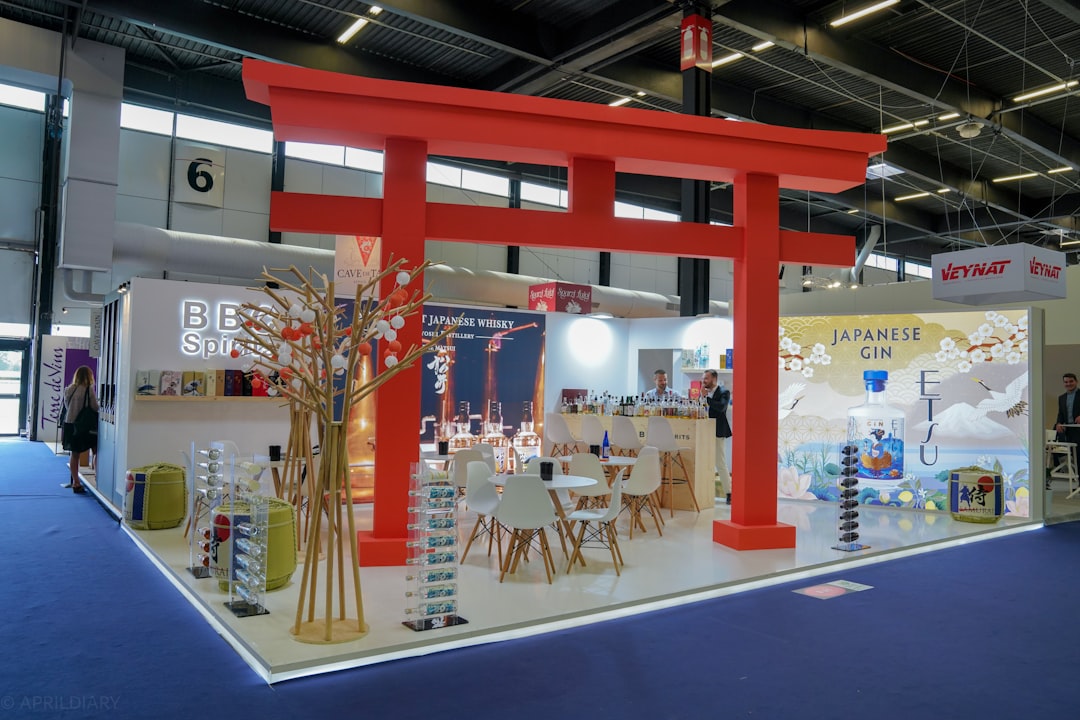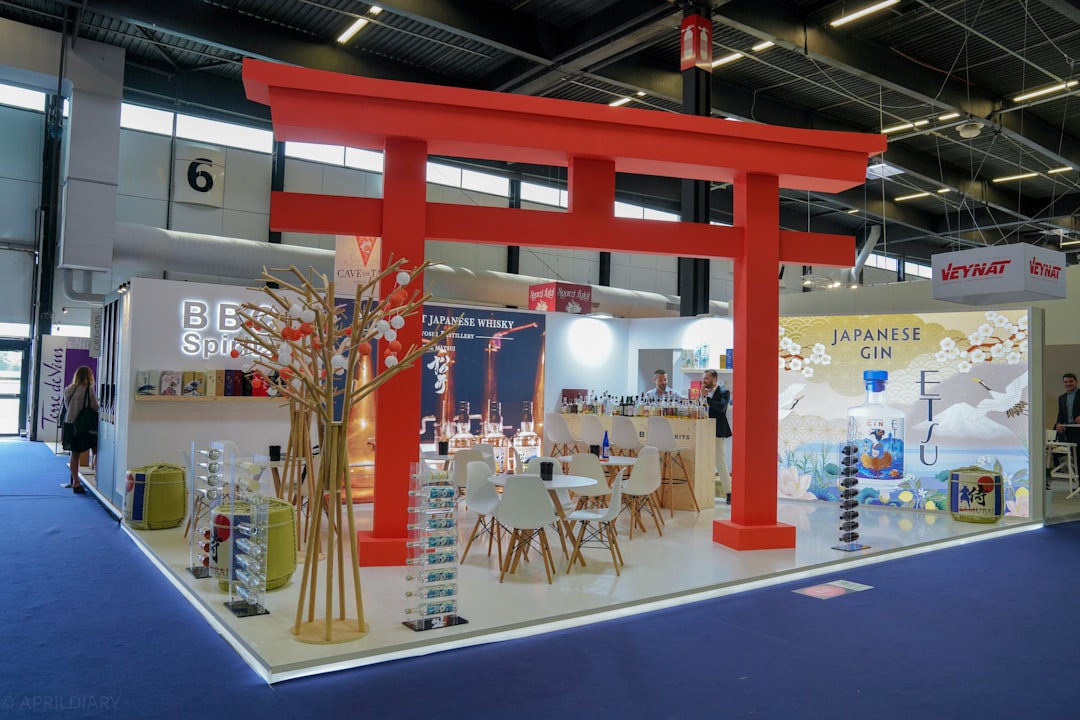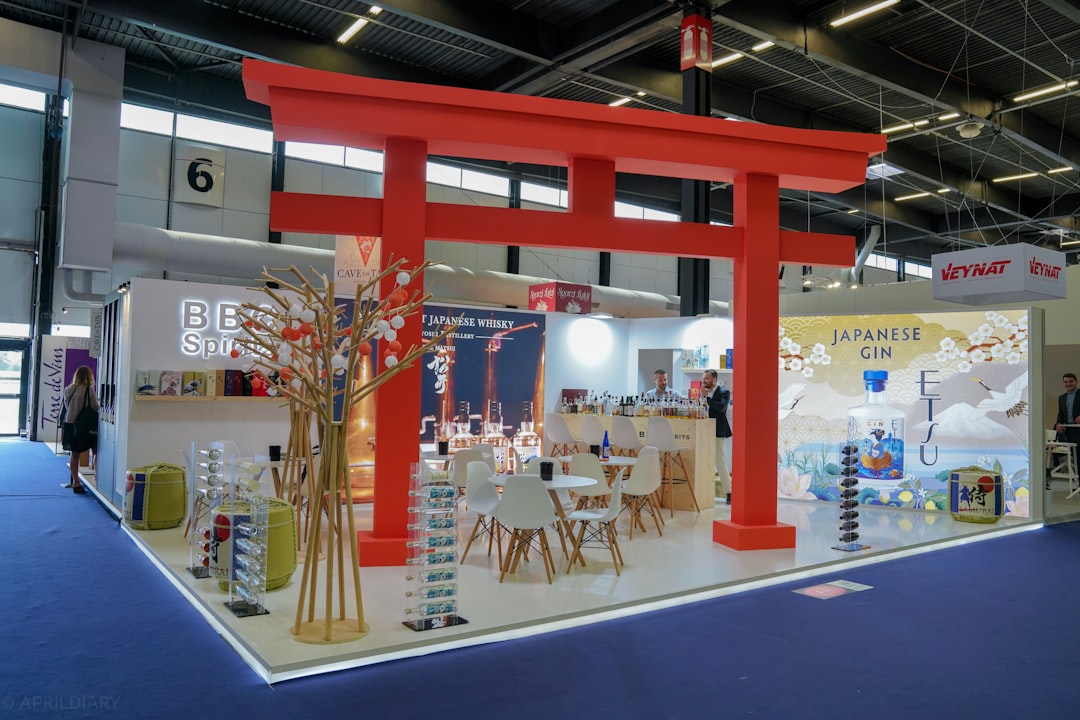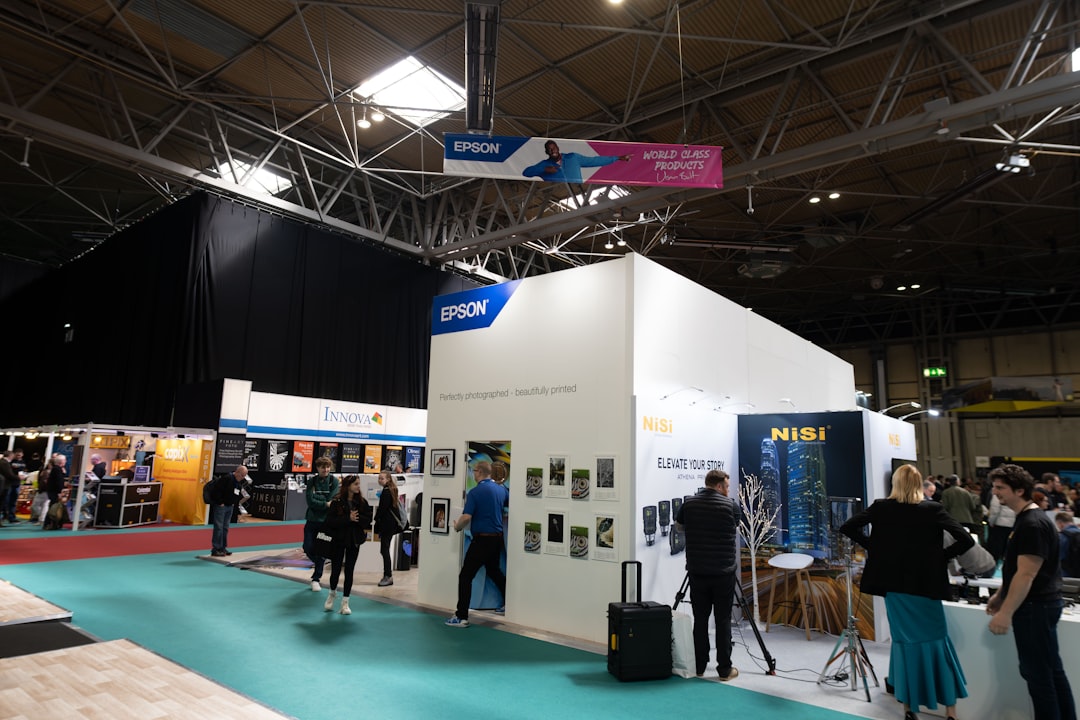

A brand storytelling stand looks effortless when it works. It is the result of disciplined choices made weeks or months before opening day, validated against a checklist that catches the gaps before they cost the exhibitor a fair cycle’s worth of brand impact.
This article publishes the brand-storytelling sign-off checklist that experienced European exhibition managers apply before approving stand drawings for production and before approving the finished stand for opening day. It is a working document, not a theory piece, each checkpoint comes from observed failure modes at major European fairs through 2025.
The checklist organises into five sections: narrative coherence, spatial choreography, sensory layer, staff briefing and orchestration, and post-fair amplification. Stands that pass every checkpoint typically deliver the storytelling outcomes the brand committed to. Stands that fail any checkpoint typically deliver lesser outcomes proportional to how many checkpoints they miss.
Why a checklist matters more than a vision
Brand storytelling on stand is rarely undermined by lack of vision. It is undermined by execution gaps that the vision-makers were not positioned to catch. The marketing director who briefed the narrative is usually not the operations manager validating the build. The creative agency that designed the concept is usually not the stand builder fabricating the components.
The brand manager who approved the visual identity is usually not on-site validating that the staff briefing reflects the narrative. Each handoff introduces drift between intent and execution.
The checklist is the mechanism that contains the drift. It forces explicit validation at the points where vision and execution most commonly diverge. AUMA member exhibitors who adopted formal storytelling sign-off checklists across their fair programmes report a meaningful reduction in post-fair “we should have caught that” observations.
“We used to discover after the fair that the lighting did not deliver the atmosphere we briefed, the materials did not feel the way we imagined, the staff weren’t aligned to the narrative. A formal pre-opening checklist surfaced these issues when we could still fix them. The discipline is unglamorous. The outcomes are not.”, Common framing among IFES corporate-member exhibitors discussing pre-opening validation, 2025
Section 1: Narrative coherence checkpoints
Six checkpoints validate whether the stand tells one story coherently rather than many stories incoherently.
| Checkpoint | Validation question | Common failure |
|---|---|---|
| Single dominant narrative defined | Can you state the brand story in one sentence? | Multiple competing narratives diffuse impact |
| Hero message readable at 20m | Can the hero message be read from across the aisle? | Text too dense, contrast too low, font too small |
| Secondary messages support the hero | Do all stand messages reinforce the hero narrative? | Random messaging contradicts hero |
| Narrative consistency across zones | Does each zone deepen the same story? | Zones tell unrelated stories |
| Brand voice in all written copy | Does written copy match the brand’s verbal identity? | Generic copy undermines brand position |
| Narrative reflected in graphic style | Does the graphic system reflect the narrative? | Visual style and narrative drift apart |
Stands failing on hero-message readability at twenty metres are the most common failure mode observed at European fairs in 2025. The fix is brutal: identify the single most important message, render it large enough to read from across the aisle, and remove everything else from the hero surface.
Section 2: Spatial choreography checkpoints
Eight checkpoints validate whether the physical stand structures visitor experience in the intended sequence.
| Checkpoint | Validation question | Common failure |
|---|---|---|
| Narrative zoning structure documented | Are Arrival, Discovery, Depth, Decision, Hospitality zones defined? | Functional zoning instead of narrative zoning |
| Approach geometry guides flow | Does the stand layout guide visitors into Arrival zone naturally? | Visitors miss Arrival entirely |
| Zone transitions feel intentional | Are zone changes marked by architectural or lighting cues? | Zones blur into each other |
| Decision zone protected from aisle noise | Can meeting conversations happen without aisle distraction? | Meeting zone too exposed |
| Hospitality zone supports lingering | Does the Hospitality zone invite visitors to stay? | Hospitality reads as transactional |
| Sightlines maintain brand hierarchy | Do brand elements maintain prominence from key vantage points? | Hero obscured from common viewing angles |
| Movement paths flow without backtracking | Can visitors complete the narrative journey in one pass? | Forced backtracking breaks experience |
| Stand entry visible from primary approach | Can visitors find the entry from the dominant aisle? | Entry hidden from main visitor flow |
Spatial choreography is the layer where storytelling intent most commonly fails in execution. Stands designed to deliver a coherent visitor journey often end up forcing backtracking, mixing zones, or hiding the intended Arrival zone. Walking the stand drawings as a notional visitor, entering from the dominant aisle, moving through the intended sequence, surfaces most of these issues at drawing stage.
Section 3: Sensory layer checkpoints
Five checkpoints validate whether the non-visual sensory elements support or undermine the brand narrative.
| Checkpoint | Validation question | Common failure |
|---|---|---|
| Lighting scenes match narrative phases | Do lighting scenes shift between zones to support storytelling? | Uniform lighting across stand |
| Sound design supports brand mood | Does on-stand sound design reflect the brand voice? | Generic music, no sound design |
| Scent (where used) reinforces brand | If scent is used, does it match the brand identity? | Scent feels arbitrary or overwhelming |
| Material textures support brand position | Do tactile materials match the brand category? | Materials clash with brand position |
| Sensory layer not overwhelming | Is the cumulative sensory load comfortable? | Visitor sensory overload |
The sensory layer is the dimension where brand storytelling most differentiates from product display. Stands that integrate sound, scent, lighting scenes, and material textures into a coherent sensory identity earn the memorability that converts to post-fair recall. Stands that ignore the sensory layer compete on visual elements alone, a smaller surface area than visitors register cumulatively.
“We added a custom scent to our Maison&Objet stand in 2023, a low-volatility bergamot-and-cedar blend at the entry zone. Visitors mentioned the scent in post-fair feedback at three times the rate they mentioned any specific product feature. The brand association formed through the scent persisted in interviews months later. Sensory layer matters more than the budget category suggests.”, Common framing among FAMAB member exhibitors
Section 4: Staff briefing and orchestration checkpoints
Six checkpoints validate whether the staff layer of the storytelling delivers what the spatial layer promises.
| Checkpoint | Validation question | Common failure |
|---|---|---|
| Staff briefed on brand narrative | Can each staff member state the brand story? | Staff don’t know the narrative |
| Conversation openers aligned to narrative | Are opening lines on-narrative rather than generic? | Generic “Can I help you?” openings |
| Staff styling reflects brand position | Does staff dress and grooming match brand identity? | Mismatched corporate dress |
| On-stand orchestration role defined | Is there a single person responsible for moment-to-moment delivery? | No orchestration leadership |
| Staff energy management plan | Is the staff rota structured to maintain energy across the fair? | Energy crashes mid-fair |
| Post-conversation handoff disciplined | Are leads captured and qualified consistently? | Lead-data gaps undermine ROI |
The staff layer is the most variable element of stand storytelling. Hardware delivers consistent performance across the fair; staff energy and discipline degrade across multi-day events without active management. Stands that allocate explicit orchestration responsibility and structure energy-management into the rota deliver consistent storytelling across all fair days. Stands that don’t see noticeable degradation by day three.
Section 5: Post-fair amplification checkpoints
Five checkpoints validate whether the stand earns the post-fair digital amplification that increasingly drives total fair ROI.
| Checkpoint | Validation question | Common failure |
|---|---|---|
| Photogenic moments designed in | Are there 3-5 distinctive moments visitors will photograph? | No memorable photographic features |
| Brand-hashtag visible | Is the fair hashtag plus brand hashtag visible from photo angles? | Hashtag missing or hidden |
| Staff prompts visitor sharing | Are staff briefed to invite visitor photos and sharing? | No sharing-invitation in staff brief |
| Press kit reflects stand narrative | Does press material reflect the same narrative as the stand? | Press kit and stand tell different stories |
| Social-amplification team primed | Is someone watching and engaging with visitor posts during fair? | Visitor posts go unamplified |
Stands that earn substantial visitor sharing, sixty to one-hundred-eighty social posts per fair day at flagship execution, leverage the storytelling investment far beyond the in-person visitor count. Stands that ignore amplification capture only the in-person value, leaving the broader audience untouched.
Per-fair cost of running the checklist process
The discipline of running the storytelling sign-off checklist adds modest cost to a stand programme. Below the typical figures for a 100 sqm stand programme.
| Process element | Cost per fair (EUR) | Who delivers |
|---|---|---|
| Narrative coherence review at drawing stage | 1,200-2,800 | Brand or creative-agency reviewer |
| Spatial choreography validation | 800-1,800 | Exhibition manager or builder |
| Sensory layer specification | 1,800-4,200 | Sensory designer or brand consultant |
| Staff briefing session (pre-fair) | 1,200-2,800 | Brand-experience director |
| Pre-opening walk-through and sign-off | 800-1,800 | Brand-experience director on-site |
| Post-fair amplification monitoring | 800-2,400 | Social team or external agency |
| Total checklist process cost per fair | 6,600-15,800 | Across roles |
The process cost is small relative to the storytelling-execution premium (EUR 35,300-115,200 for a 100 sqm stand at flagship execution) and small relative to the ROI uplift it protects. Skipping the process to save EUR 8,000-12,000 on a stand carrying EUR 80,000+ of storytelling investment is the false economy that produces stands which deliver less than the spend implies they should.
Adapting the checklist by fair type
The checklist applies in full at design-led and consumer-facing fairs. At vertical B2B fairs the checklist applies selectively.
| Fair type | Narrative | Spatial | Sensory | Staff | Amplification |
|---|---|---|---|---|---|
| Design-led (Salone, EuroShop, Maison&Objet) | Full | Full | Full | Full | Full |
| Consumer-facing (IFA, MWC Barcelona) | Full | Full | Selective | Full | Full |
| Tier-one B2B (Hannover Messe, drupa) | Full | Full | Selective | Full | Selective |
| Vertical B2B (Bauma, Anuga, productronica) | Selective | Full | Minimal | Full | Selective |
Selective application means addressing the highest-impact checkpoints rather than every checkpoint. At Bauma, sensory layer beyond clear product presentation rarely delivers commercial return; at Maison&Objet, sensory layer is part of the brand judgement.
Tooling at Exhibition Stands EU
The /builders directory lists builders that demonstrate storytelling-execution capability with named fair references. The /rfq workflow lets you attach the storytelling checklist to the initial quote request, ensuring builders engage with the discipline from the start. The /calculator models storytelling-process cost as a defined line item rather than absorbed into general overhead.
Related reading
- Brand Storytelling on Exhibition Stands: Cost, Execution and ROI at European Fairs in 2026
- Interactive and Digital Elements
- Lighting Design
- Meeting Rooms and Hospitality Zones
- Stand Design Cost Breakdown
- Find a Builder
References and primary sources
- AUMA Trends Report 2024, Association of the German Trade Fair Industry, auma.de
- UFI Global Visitor Insights Report 2024, ufi.org
- IFES (International Federation of Exhibition and Event Services) member working-group papers
- FAMAB Verband Direkte Wirtschaftskommunikation member best-practice exchanges
- CEIR Exhibition Marketing Outcomes Study 2024
- Messe Düsseldorf EuroShop Trend Report 2023
- Maison&Objet Trade Show Visitor Research 2024
- ISO 20121:2024 Event Sustainability Management Systems
FAQFrequently asked questions
Brand storytelling on stand is rarely undermined by lack of vision. It is undermined by execution gaps that the vision-makers were not positioned to catch.
The marketing director who briefed the narrative is usually not the operations manager validating the build; the creative agency that designed the concept is usually not the stand builder fabricating components; the brand manager who approved visual identity is usually not on-site validating staff briefing. Each handoff introduces drift between intent and execution.
The checklist is the mechanism that contains drift by forcing explicit validation at the points where vision and execution most commonly diverge. AUMA member exhibitors who adopted formal sign-off checklists report meaningful reduction in post-fair ‘we should have caught that’ observations.
Narrative coherence (six checkpoints validating whether the stand tells one story coherently rather than many incoherently), spatial choreography (eight checkpoints validating whether physical stand structures the intended visitor sequence), sensory layer (five checkpoints validating whether lighting, sound, scent, and material textures support the brand narrative), staff briefing and orchestration (six checkpoints validating whether the staff layer delivers what spatial layer promises), and post-fair amplification (five checkpoints validating whether the stand earns the digital amplification that increasingly drives total fair ROI). Total 30 checkpoints across five sections.
Hero-message readability at twenty metres. Stands consistently fail because the hero surface carries too much text, contrast is too low, or fonts are too small to read from across the aisle. UFI data shows visitors register stands in 7-12 seconds of approach; if the hero message does not land in that window, the visitor moves on regardless of how good the product or stand is at closer distances.
The fix requires brutal editing: identify the single most important message, render it large enough to read from twenty metres, and remove everything else from the hero surface. Stand drawings should be validated at twenty-metre simulated viewing distance before approval for production.
Functional zoning organises space around what staff do, reception desk, demo area, meeting room, hospitality.
Narrative zoning organises space around what visitors experience in sequence, Arrival (first impression, orientation, 15-20% footprint), Discovery (product/service introduction, 25-30%), Depth (interactive exploration, 25-30%), Decision (meeting and qualification, 15-20%), and Hospitality (refreshment and relationship-building, 10-15%). The shift is from staff workflow to visitor experience sequence.
Stands using narrative zoning typically improve lead-conversion quality by approximately 30% within twelve months of adopting the framework, according to FAMAB member exhibition manager reports.
Six checkpoints govern staff layer execution, covering how the team is briefed, how they open conversations, how they present themselves, who owns delivery on the day, how energy is sustained and how leads are handed off:
- Staff briefed on the brand narrative such that each staff member can state the brand story in one sentence
- Conversation openers aligned to the narrative rather than generic (‘Can I help you?’ openings consistently underperform)
- Staff styling reflecting brand position with dress and grooming matching brand identity
- On-stand orchestration role with single-person responsibility for moment-to-moment delivery across the fair
- Staff energy management with rota structured to maintain consistent energy across multi-day fairs (degradation by day three is the common failure mode without active management)
- Disciplined post-conversation handoff with consistent lead capture and qualification
Hardware delivers consistent performance throughout the fair; staff energy degrades without active orchestration.
For a 100 sqm stand programme, the checklist process cost runs EUR 6,600-15,800 per fair across six elements:
- narrative coherence review at drawing stage by brand or creative-agency reviewer (EUR 1,200-2,800)
- spatial choreography validation by exhibition manager or builder (EUR 800-1,800)
- sensory layer specification by sensory designer or brand consultant (EUR 1,800-4,200)
- pre-fair staff briefing session by brand-experience director (EUR 1,200-2,800)
- pre-opening walk-through and sign-off on-site (EUR 800-1,800)
- post-fair amplification monitoring by social team or agency (EUR 800-2,400)
The process cost is small relative to the EUR 35,300-115,200 storytelling-execution premium it protects and small relative to the 2.5-4.5x ROI multiplier the discipline typically delivers.