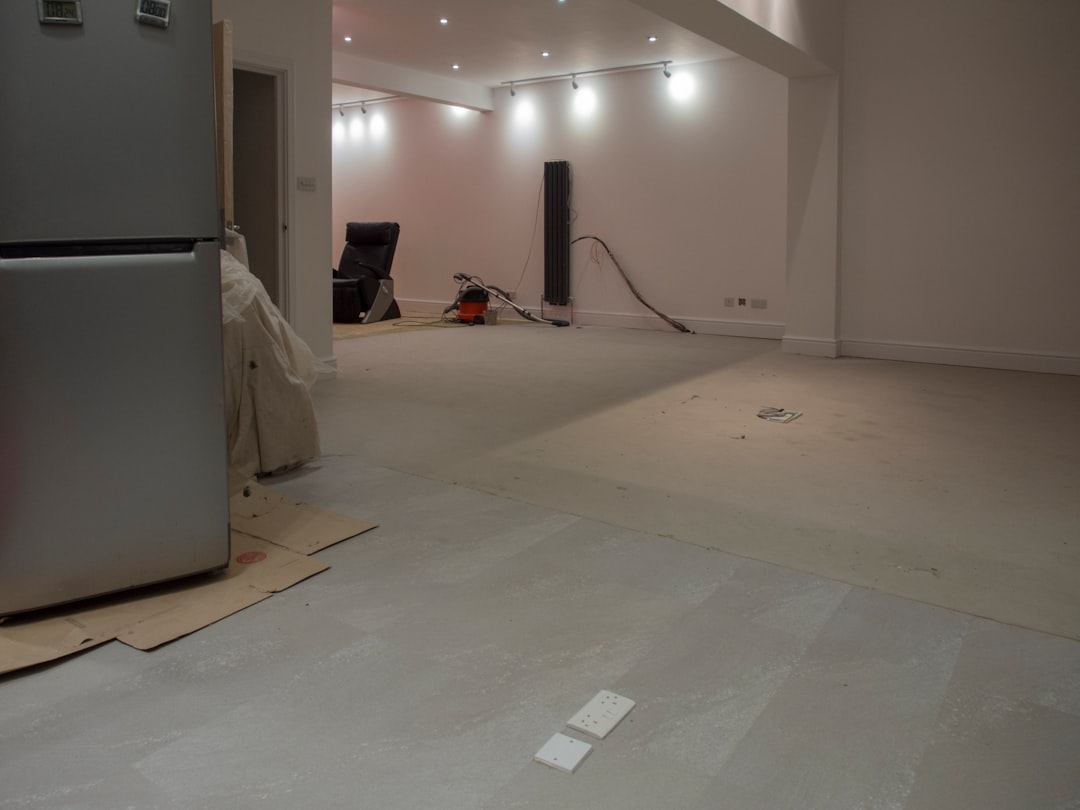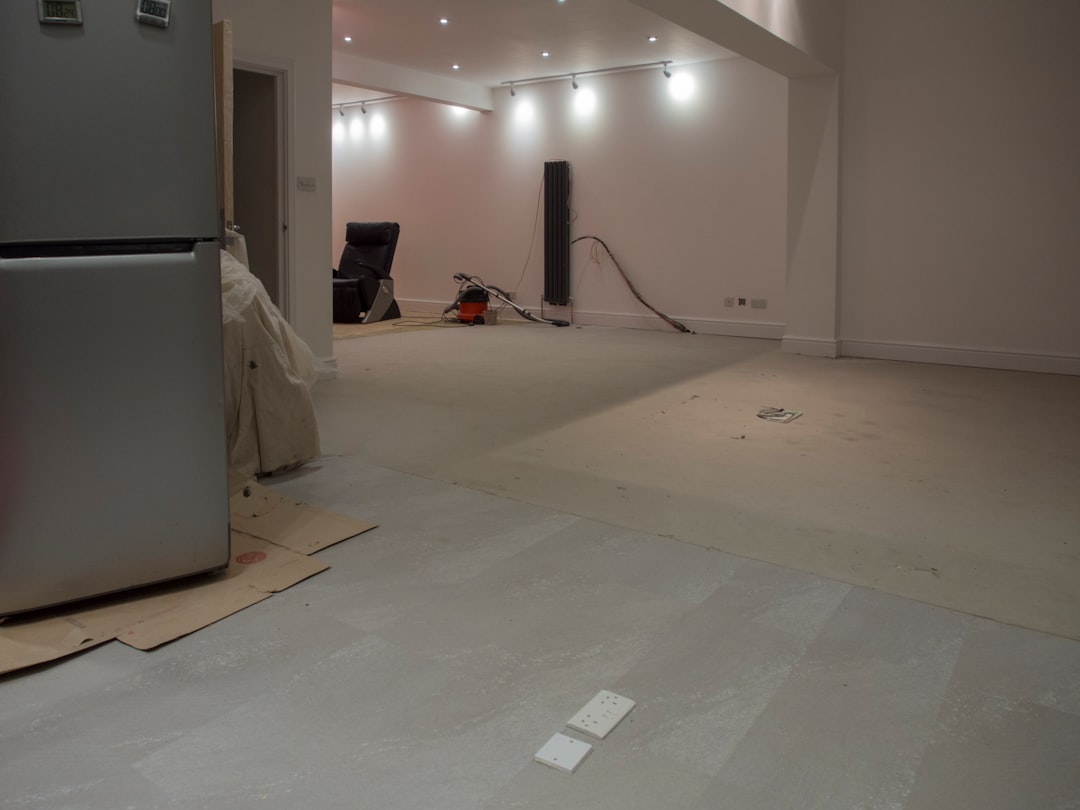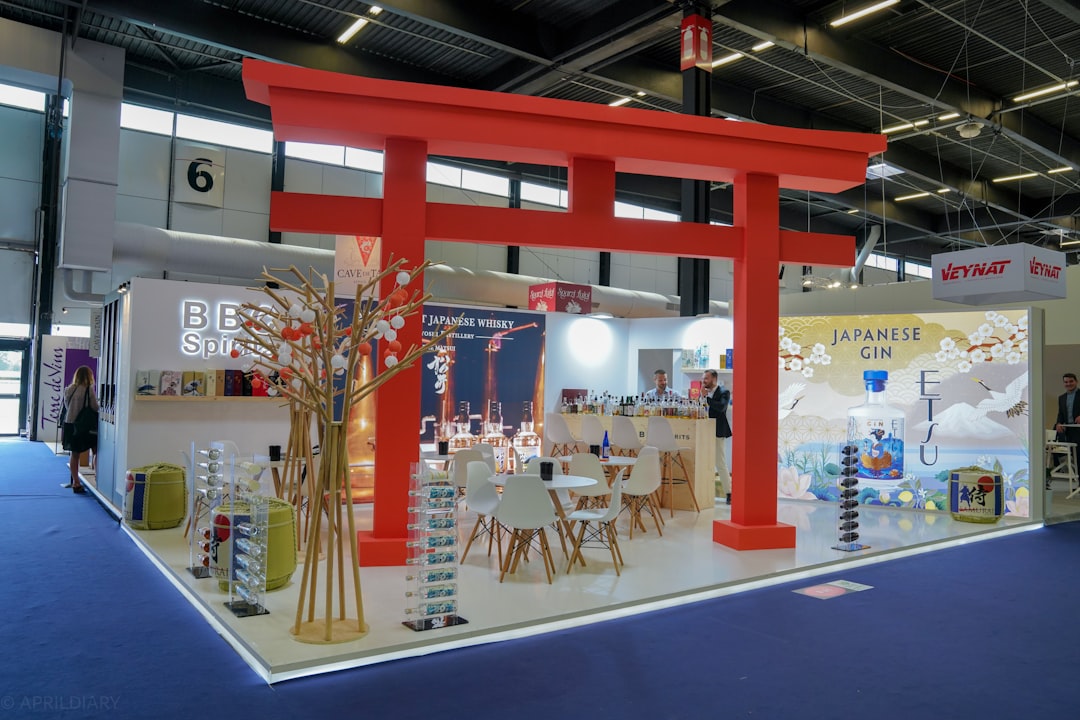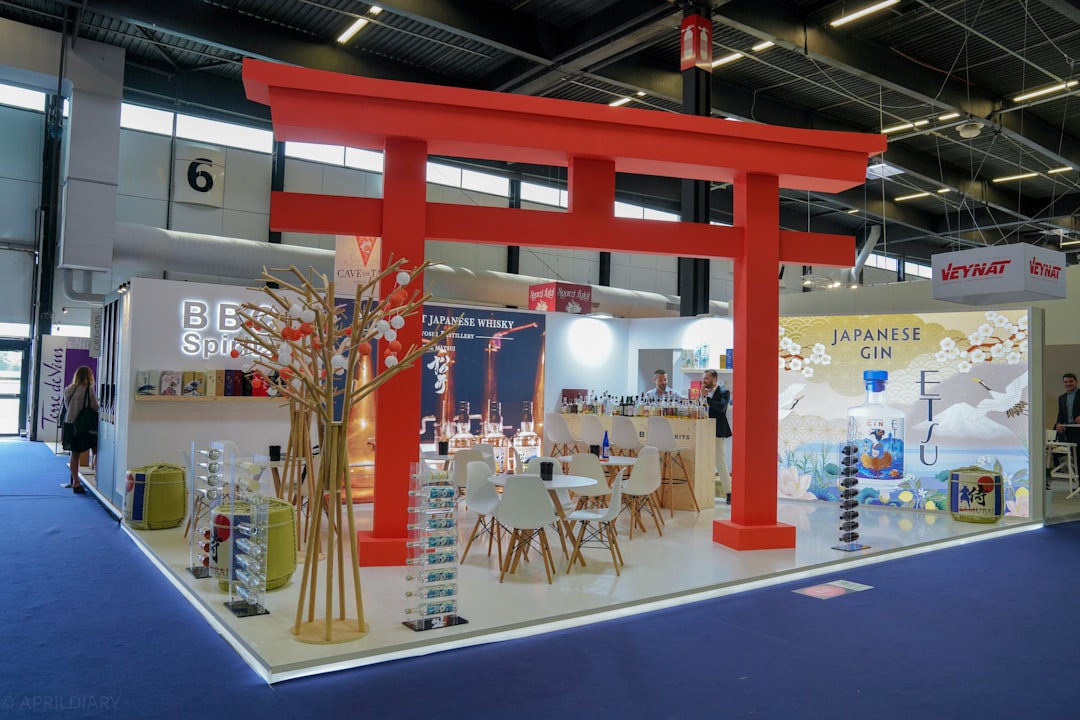
Flooring is the surface every visitor walks on for between thirty seconds and two hours per stand, and the surface that determines roughly fifteen to twenty-five percent of the stand’s perceived quality independent of any other design decision. Yet flooring is routinely the last specification decision in the European stand design process and the line where builders default to the cheapest available option unless explicitly directed otherwise.
This guide compares the dominant exhibition stand flooring options in the European market for 2026 contracts: rented exhibition carpet, interlocking vinyl tile, engineered timber and parquet, polished and bespoke vinyl, polished concrete and stone-effect surfaces, and raised platform systems.
For each, the guide covers cost per square metre at 2026 European rates, accessibility implications, durability across multi-fair calendars, sustainability profile, suitable applications, and the venue-specific quirks across Messe Frankfurt, Fiera Milano, IFEMA Madrid, RAI Amsterdam, and Paris Expo.
The summary: floor specification matters more than most exhibitors realise, the cost spread between cheap and premium flooring is large (EUR 14-145 per square metre installed), and the accessibility implications of raised platforms specifically require attention to EU Directive 2019⁄882 compliance for fairs after June 2025.
Why floor specification matters more than its cost share
A typical exhibition stand allocates four to nine percent of all-in budget to flooring. This is a smaller cost share than structure, graphics, or lighting, which is why flooring is routinely under-specified. Yet flooring drives three quality outcomes disproportionate to its cost share.
First, perceived stand quality at visitor entry. Visitors register the floor within the first two seconds of stepping onto a stand. A premium-feeling floor primes the rest of the stand impression positively; a cheap-feeling floor sets a negative anchor that the rest of the design has to overcome. The same EUR 80,000 stand reads as EUR 60,000 with cheap exhibition carpet underfoot and EUR 110,000 with engineered timber.
Second, visitor comfort across multi-day fairs. Visitors walking trade fair halls for eight hours a day notice floor cushioning, acoustic quality, and surface texture more than any other physical aspect of the stand. Hard, echoing floors fatigue visitors and shorten meeting durations. Comfortable floors extend visitor time on stand.
Third, brand-statement opportunity. Floor surfaces support brand graphics, sector signalling (technology stands feel different from luxury stands feel different from food and beverage stands), and product framing in ways that no other surface offers at floor scale.
“Stands that economise on flooring while spending generously on lighting and graphics are stands that misallocate their budgets. The flooring upgrade from rented exhibition carpet to interlocking vinyl tile costs less than a single track spot fixture, and transforms how the stand feels to visitors. Few specification changes deliver more value per EUR spent.”, Common framing within FAMAB working groups on stand quality assessment, 2024-2025
The six dominant flooring options compared
The table below summarises the six dominant flooring options used in European exhibition stand construction with 2026 installed cost ranges, suitability profile, and key characteristics.
| Flooring type | Cost per sqm installed (EUR) | Cushioning quality | Lifecycle | Visual quality | Best applications |
|---|---|---|---|---|---|
| Rented exhibition carpet (basic) | 14-24 | Minimal | Single fair | Acceptable | Budget-constrained stands |
| Rented exhibition carpet (premium) | 22-38 | Moderate | Single fair | Good | Mid-budget mainstream stands |
| Interlocking vinyl tile | 32-58 | Moderate | 8-15 fair cycles | Very good | Most mid-to-premium stands |
| Engineered timber plank | 58-105 | Good | 5-8 fair cycles | Premium | Hospitality-led, premium brand |
| Polished vinyl (bespoke print) | 45-85 | Good | 3-5 fair cycles | Premium graphics | Brand-graphic-led stands |
| Polished concrete or stone-effect | 78-145 | Hard, premium feel | 4-6 fair cycles | Industrial premium | Tech, automotive, premium |
| Raised platform (structural) | 45-95 (add to floor finish) | Depends on finish | 6-10 fair cycles | Visual differentiation | Cable concealment, demarcation |
Rented exhibition carpet: the European default
Rented exhibition carpet remains the most-used floor surface across European fairs because of its low cost, broad availability, and zero-storage logistics (it is installed and removed by venue contractors or stand builders for each fair).
The basic exhibition carpet grade, typically a low-pile needle-felt polypropylene rented from venue contractors, costs EUR 14-24 per square metre installed for a typical four-day fair. Colours are limited to the venue’s stock (typically grey, black, blue, red, green, and white in most major venues). Quality is functional but visibly basic: minimal cushioning, visible seams between sections, and tendency to show dust accumulation across the fair.
Premium exhibition carpet grades, higher-pile woven polypropylene or nylon, cost EUR 22-38 per square metre. The quality difference is visible: smoother surface, less visible seaming, better acoustic performance, more colour options through made-to-order short-run printing. Premium carpet supplied by specialist exhibition flooring contractors (rather than venue-default contractors) typically lands in this band.
The sustainability profile of rented carpet has improved through 2023-2025. Several major exhibition carpet suppliers operate take-back programmes that recover carpet for industrial reuse rather than landfill (notably Tarkett’s exhibition product lines and Forbo’s exhibition range). Specifying take-back is increasingly required at sustainability-focused venues like RAI Amsterdam.
Rented carpet works well for budget-constrained stands, single-fair deployments without multi-fair reuse opportunity, and stands where the carpet itself isn’t expected to contribute brand impact. It is the wrong choice for premium-branded stands where floor quality affects brand perception, multi-fair calendars where reusable alternatives deliver better five-year economics, and design-led fairs where rented exhibition carpet reads as visibly under-committed.
Interlocking vinyl tile: the cost-quality sweet spot
Interlocking vinyl tile (sometimes called “exhibition flooring tile” or specifically branded as systems like ExpoFloor, Polyfloor, or Liquidfloor) has become the dominant mid-tier flooring choice across European exhibition stand construction since roughly 2018.
The technology consists of vinyl tiles approximately 50cm by 50cm with interlocking edge profiles that snap together without adhesive on the substrate floor below. Installation takes minutes per square metre, the surface is immediately walkable, and dismantle is similarly fast.
The cost per square metre installed runs EUR 32-58 for 2026 contracts. The tiles can be purchased outright (around EUR 18-32 per square metre for the tile itself) or rented per-fair (around EUR 18-28 per square metre with installation labour included).
The visual quality is meaningfully better than rented exhibition carpet. The surface is smooth and continuous (no visible seams across the surface, just the interlocking pattern at tile edges). Colours are richer and more controlled. Texture options range from smooth glossy through embossed woodgrain or stone-effect.
The cushioning is moderate, better than carpet over concrete, less than engineered timber over a raised platform. Acoustic performance is moderate. Cleanability across a fair is excellent: the surface is wipe-clean rather than vacuum-only.
The multi-fair durability is the strong selling point. Tiles survive eight to fifteen fair cycles when stored properly between fairs. The per-fair cost amortised across the lifecycle drops to EUR 6-14 per square metre, competitive with the cheapest rented carpet but delivering visibly better quality.
The sustainability profile is mixed. Most vinyl tile is recyclable in principle but the European recycling pathways for exhibition-specific vinyl are limited. Several manufacturers (Polyflor’s Expona series, Tarkett’s flexible tile range) offer recycled-content variants and take-back programmes. Specifying “EU Ecolabel or take-back programme” lands in the comfortable middle for venue sustainability acceptance.
“Interlocking vinyl tile is the single biggest quality upgrade available within the budget envelope of most mid-tier European stand projects. The cost increment over rented carpet is small; the visual and acoustic quality difference is significant; and the multi-fair economics favour tile across any meaningful exhibition calendar.”, Common framing within IFES corporate-member exhibitor procurement teams, 2025
Engineered timber and parquet: the premium-tier choice
Engineered timber plank flooring delivers genuine premium quality at exhibition stand scale. The technology is real-wood veneer (typically oak, walnut, or beech) bonded to engineered substrate, available in plank widths from 90mm to 230mm and lengths from 600mm to 2,200mm.
Installation methods vary. Click-system engineered planks install without adhesive over a foam underlay, similar to residential floating floors. Glued installation provides a more stable surface for higher-traffic applications but adds dismantle complexity. Most exhibition applications use click systems for flexibility across fair calendars.
The cost per square metre installed for 2026 contracts runs EUR 58-105. The wide cost band reflects timber species and grade (basic oak at the low end, walnut or premium-grade selections at the high end), plank size (wider planks cost more), and finish quality (factory-finished planks at the entry level, on-site finished planks with custom stain or oil at the top).
The visual and tactile quality is genuinely premium. Visitors register the floor as real wood rather than printed simulation. Acoustic performance is excellent (real wood with proper underlay absorbs footfall noise effectively). Brand-statement value is high.
The multi-fair durability is good but requires care. Engineered timber survives five to eight fair cycles before requiring refinishing or partial replacement. Surface scratches are visible (though touch-up oils and polishes can address minor damage). Transport handling matters, planks need to be flight-cased properly to survive the freight cycle.
The sustainability profile is strong for FSC-certified engineered timber. Real wood is renewable and biodegradable; the engineered substrate is usually plywood or HDF (both certifiable through chain-of-custody documentation); and the end-of-life pathway is well-established (timber recycling, energy recovery, or composting at appropriate facilities).
Engineered timber is the right choice for hospitality-led stands at design fairs (Salone del Mobile, Maison&Objet), premium-brand stands across any fair, and hospitality zones within larger stands where conversation comfort matters. It is the wrong choice for budget-constrained stands, technology-led B2B fairs where the premium quality isn’t part of the brand assessment, and stands deployed at fairs without storage support between deployments.
Polished vinyl with bespoke print: brand-graphic floors
Polished vinyl flooring with bespoke print represents a distinct flooring category, high-quality vinyl tile manufactured with brand-specific printed surfaces, in larger formats (typically 1m by 2m or larger), with polished or matte finishes that hold up under stand traffic.
The technology is essentially full-format LFP (large-format printing) on vinyl substrate, similar to wall-applied vinyl but in flooring-grade thickness with appropriate slip resistance and traffic durability.
Cost per square metre installed runs EUR 45-85 for 2026 contracts. The print can incorporate brand graphics, sector imagery, wayfinding for visitor flow, or full-scale photographic imagery. The visual impact at certain camera angles is striking, printed floors are highly photographable for trade press and social media coverage.
The multi-fair durability is moderate. Printed vinyl floors survive three to five fair cycles before traffic wear visibly degrades the print quality. Stands using bespoke print floors for image-led purposes typically refresh the print every two to three fairs to maintain photographic quality.
The sustainability profile is weaker than other options because the bespoke print element prevents easy reuse on subsequent fairs with different print needs, and the vinyl itself faces the same end-of-life challenges as other vinyl flooring.
Bespoke print flooring is the right choice for image-led stands where the floor itself becomes part of the brand expression, fairs where social-media coverage of stand photography is part of the marketing return, and stands with specific wayfinding or visitor-flow needs that floor graphics can support.
Polished concrete and stone-effect surfaces: the industrial premium
Polished concrete and stone-effect surfaces (typically achieved through polished resin compounds, polished vinyl with sophisticated print, or rented concrete-effect tile) deliver an industrial premium feel that suits technology brands, automotive, and premium hospitality.
Cost per square metre installed runs EUR 78-145 for 2026 contracts. The range reflects the difference between rented concrete-effect vinyl tile (lower end) and genuine polished resin installations (higher end).
The visual quality is distinctive, visibly different from carpet, vinyl, or timber, signalling a specific brand positioning (industrial, technological, urban). The acoustic performance is hard and reverberant, which suits open product-display stands but works poorly for hospitality and meeting zones.
The multi-fair durability of rented concrete-effect tile is good (four to six fair cycles). Genuine polished resin is essentially single-use because the resin bonds to substrate and removal is destructive.
Polished concrete and stone-effect are right for tech stands at ISE or IFA, automotive stands at IAA or major auto shows, premium brand statements at design fairs where the industrial aesthetic is intentional, and product-display zones where the visual contrast with the product matters. Wrong for hospitality, food and beverage, or any application where soft comfort and acoustic quality matter.
“The right floor surface is part of the sector signal. Polished concrete at a tech stand says ‘modern,’ the same polished concrete at a luxury hospitality stand says ‘wrong building.’ The floor surface needs to match the brand category the visitor expects to encounter at that specific fair.”, Common framing among AUMA design-review working groups, 2024-2025
Raised platform systems: structure plus floor finish
Raised platform systems are structural floors elevated above the venue concrete by 50mm to 200mm, providing space for cable routing, water supply, drainage, and the visual demarcation of stand boundaries. Raised platforms are separate from the floor finish, exhibitors choose both a platform system and a surface finish to install on it.
Cost per square metre installed runs EUR 45-95 for the platform structure (additional to floor finish), depending on height, load rating, and complexity of edge treatments.
The functional purposes for raised platforms:
Cable concealment for stand power, AV, and demonstration equipment. Stands with significant AV integration need somewhere to route cables; raised platforms provide it.
Water and drainage for catering, plumbing, or product-demo applications. Coffee bars, working bathrooms (occasionally specified for plumbing trade exhibitors), and product demonstrations involving liquids all benefit from raised platforms with under-floor plumbing.
Visual demarcation of stand boundaries. The 100mm step-up reading as a deliberate edge differentiates stand floor from aisle floor and creates a clearer brand boundary than carpet edges alone.
Acoustic and cushioning improvement. Raised platforms with proper underlay provide significantly better footfall absorption than direct-to-concrete flooring.
The accessibility implications are significant. Raised platforms create steps or ramps at stand entries that must comply with EU Directive 2019⁄882 (the European Accessibility Act, applicable from June 2025) for fairs serving consumer audiences. The /booth-design/accessibility-and-inclusive-design guide covers ramp specifications, width requirements, and signage standards.
Ramp requirements typically include 1:12 maximum slope, non-slip surface, minimum 900mm clear width, and handrails for ramps longer than 1500mm. These specifications add EUR 800-2,400 to the platform cost depending on stand entry width and ramp length.
The sustainability profile of raised platforms is strong for reusable systems. Modular platform structures from major suppliers (notably Pflitsch, Modulex, and various exhibition-specialist suppliers) survive 6-10 fair cycles when stored properly. The structural materials (aluminium frame, plywood deck) are recyclable at end-of-life.
Typical 2026 flooring budgets by stand specification
The tables below show realistic 2026 flooring budgets for the three most common European stand specifications. Figures include surface finish, raised platform where specified, accessibility ramps, and install labour.
| Floor specification | 30 sqm corner (EUR) | 75 sqm peninsula (EUR) | 150 sqm island (EUR) |
|---|---|---|---|
| Basic rented carpet | 420-720 | 1,050-1,800 | 2,100-3,600 |
| Premium rented carpet | 660-1,140 | 1,650-2,850 | 3,300-5,700 |
| Interlocking vinyl tile | 960-1,740 | 2,400-4,350 | 4,800-8,700 |
| Engineered timber plank | 1,740-3,150 | 4,350-7,875 | 8,700-15,750 |
| Bespoke print vinyl | 1,350-2,550 | 3,375-6,375 | 6,750-12,750 |
| Polished concrete-effect | 2,340-4,350 | 5,850-10,875 | 11,700-21,750 |
| Raised platform (basic finish) | 2,160-3,810 | 5,400-9,525 | 10,800-19,050 |
| Raised platform (premium finish) | 3,840-7,920 | 9,600-19,800 | 19,200-39,600 |
The flooring budget as percentage of all-in stand cost varies meaningfully by flooring choice. For a typical 75 sqm peninsula stand budgeted at EUR 44,000 all-in, basic rented carpet represents 2.5-4.1% of budget; interlocking vinyl tile 5.5-9.9%; engineered timber 9.9-17.9%; and raised platform with engineered timber 18-37%.
Venue-specific flooring quirks
Three European venues have specific flooring considerations affecting stand specification.
Messe Frankfurt requires fire-rated flooring documentation for stands above certain sizes. Most major exhibition flooring suppliers maintain B1 fire-rating certification for their products; verify the certificate is current and in the project documentation.
Fiera Milano during Salone del Mobile expects floor quality matching the design context. Rented exhibition carpet at Salone reads as under-committed; the minimum defensible specification is interlocking vinyl tile, with engineered timber strongly preferred for premium brand stands.
RAI Amsterdam’s Green Venue programme requires documented sustainability for flooring on stands above 50 sqm. Reusable flooring (vinyl tile, engineered timber, raised platforms) is strongly preferred over rented carpet; documented take-back programmes are accepted for carpet where reuse isn’t practical.
Putting it all together
The right flooring depends on stand budget, fair tier, brand category, and multi-fair calendar context. The defensible decision pattern:
For budget-constrained stands at vertical B2B fairs: premium rented carpet with documented take-back for sustainability acceptance.
For mid-tier stands across most European fairs: interlocking vinyl tile as the cost-quality sweet spot.
For premium-brand stands at design-led fairs: engineered timber plank with FSC certification.
For technology and automotive stands: polished vinyl tile or concrete-effect surfaces.
For any stand with significant AV integration, hospitality plumbing, or visual demarcation needs: raised platform with appropriate surface finish.
For any stand with consumer-facing audience post-June 2025: accessibility ramp specification compliant with EU Directive 2019⁄882.
Use the /booth-design/flooring-and-raised-platforms reference for accessibility and technical specifications. Use /rfq to circulate a flooring-specified brief to vetted European builders. The /calculator includes flooring cost modelling within total stand budgets. The /booth-design/accessibility-and-inclusive-design guide covers ramp and accessibility specifications in detail.
References
- EU Directive 2019⁄882, “European Accessibility Act”
- AUMA (Association of the German Trade Fair Industry) general guidance on stand flooring, 2025
- FAMAB Communication Association, “Flooring Quality and Cost Analysis in European Stand Projects,” 2024-2025 report
- IFES (International Federation of Exhibition and Event Services) general industry commentary on stand flooring, 2025
- UFI Global Exhibition Barometer, industry-wide investment outlook reporting, 2024
- Tarkett Exhibition Products technical documentation, 2025-2026
- Forbo Flooring Systems, “Exhibition and Event Flooring Range,” 2025-2026 catalogue
- RAI Amsterdam, “Green Venue Programme: Stand Materials and Documentation Requirements,” 2025-2026
- Messe Frankfurt Technical Office, “Stand Flooring Fire-Load and Technical Standards,” 2026 edition
FAQFrequently asked questions
Interlocking vinyl tile is the cost-quality sweet spot for most mid-tier European stands. Installed cost runs EUR 32-58 per sqm, the surface delivers meaningfully better visual quality than rented exhibition carpet (smoother, no visible seams, richer colours, wipe-clean), and the tiles survive 8-15 fair cycles when stored properly.
Per-fair cost amortised across the lifecycle drops to EUR 6-14 per sqm, making it competitive with the cheapest rented carpet while delivering visibly better quality. For a 75 sqm peninsula stand, interlocking tile costs EUR 2,400-4,350 versus EUR 1,050-1,800 for basic rented carpet.
Specify engineered timber for hospitality-led stands at design fairs (Salone del Mobile, Maison&Objet), premium-brand stands across any fair, and hospitality zones within larger stands where conversation comfort matters. Engineered timber costs EUR 58-105 per sqm installed and delivers genuine premium tactile quality and excellent acoustic performance.
It survives 5-8 fair cycles and supports FSC certification for sustainability documentation. The wrong choice for budget-constrained stands, technology-led B2B fairs where premium tactility isn’t part of the brand assessment, and stands without proper storage support between deployments.
Yes, for consumer-facing fairs after June 2025. EU Directive 2019⁄882 (the European Accessibility Act) applies to fairs serving consumer audiences and requires raised-platform stands to provide accessibility ramps meeting specific standards: 1:12 maximum slope, non-slip surface, minimum 900mm clear width, and handrails for ramps longer than 1500mm.
The accessibility cost adds EUR 800-2,400 to platform construction depending on stand entry width and ramp length. The /booth-design/accessibility-and-inclusive-design reference covers full compliance specifications. B2B-only fairs face less strict consumer-protection requirements but should plan for compliance regardless because of brand and audience expectations.
Use a raised platform when any of four conditions apply: significant AV or demonstration equipment requiring cable concealment, water or drainage needs for catering or product demos, deliberate visual demarcation of stand boundaries through the 100mm step-up, or acoustic and footfall improvement beyond what direct-to-concrete flooring delivers. The platform cost runs EUR 45-95 per sqm additional to the floor finish.
For stands without these functional needs, the platform adds cost without proportional return and the budget is usually better spent on premium finish or other stand elements.
Flooring runs 4-9% of all-in stand budget for typical mid-budget specifications and 9-22% for premium specifications. Basic rented carpet represents 2.5-4.1% of a typical 75 sqm peninsula budget; interlocking vinyl tile 5.5-9.9%; engineered timber 9.9-17.9%; and raised platform with engineered timber 18-37%.
Despite the modest share, flooring drives roughly 15-25% of perceived stand quality because visitors register the floor within two seconds of stepping onto the stand. Stands that economise on flooring while spending generously elsewhere typically misallocate their budgets.
Engineered timber plank with FSC certification is the defensible premium choice at Salone del Mobile, Maison&Objet, and similar design-led fairs. Real-wood surface signals design seriousness in ways that printed simulations don’t, and the tactile quality matters at fairs where buyers examine surfaces closely.
The minimum defensible specification is interlocking vinyl tile in a stone-effect or fine-grain woodgrain finish; rented exhibition carpet reads as visibly under-committed at design fairs and signals positioning two tiers below where most exhibitors would want to be perceived. Polished bespoke-print vinyl is also defensible for image-led brands wanting the floor as part of the brand expression.