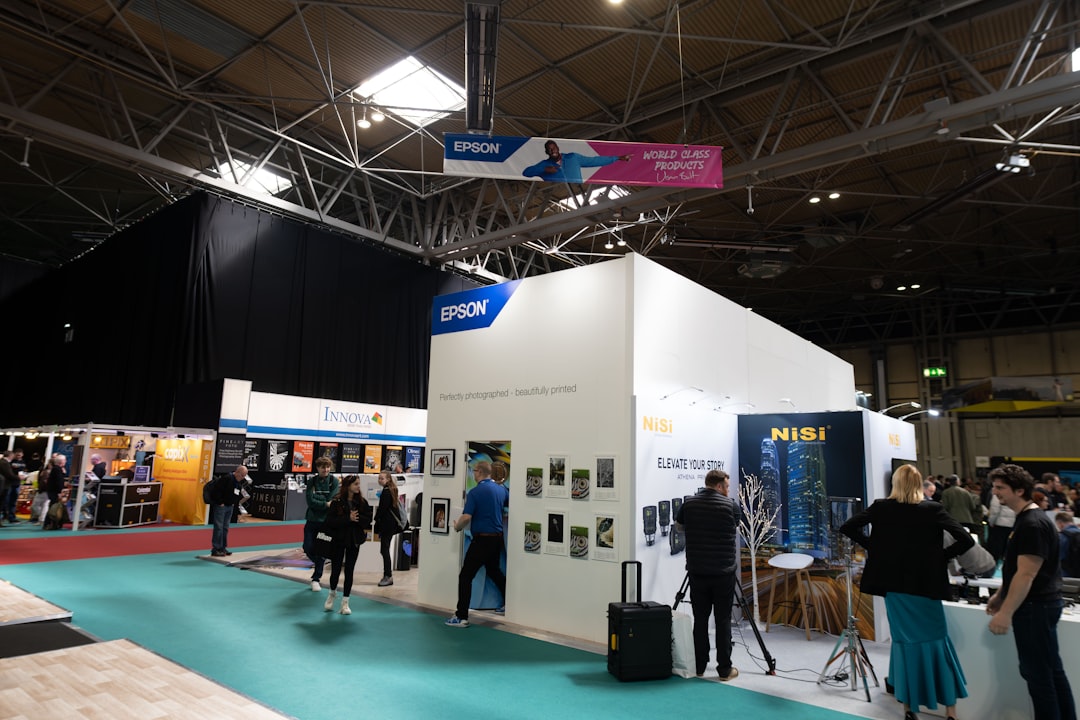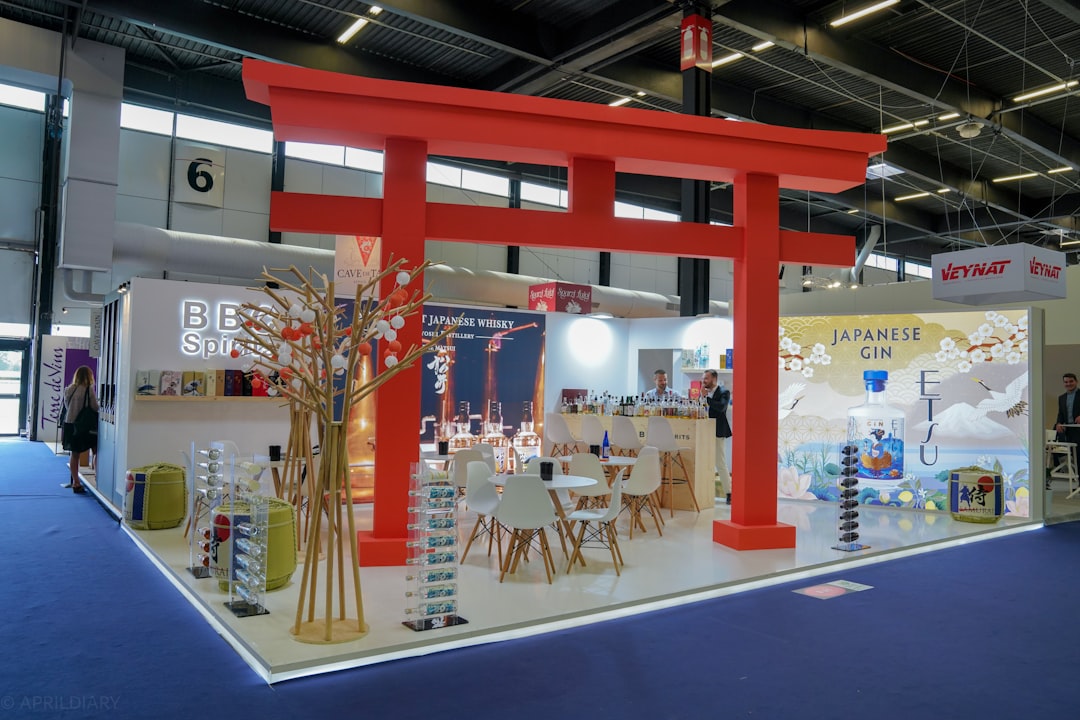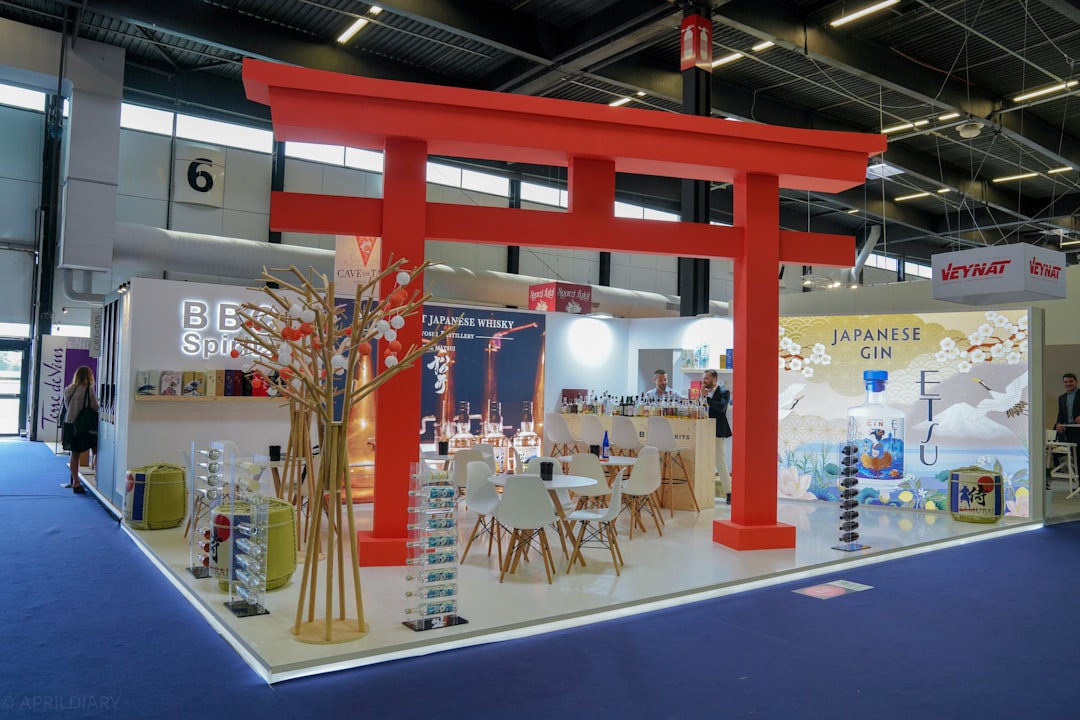
Exhibitors planning a 2026 European fair calendar are asking the same question across every category: how much does a modular exhibition stand actually cost when the invoice lands, not when the brochure quote arrives? This guide answers that question with current EUR figures observed across Messe Frankfurt, Fiera Milano, IFEMA Madrid, RAI Amsterdam, Messe Düsseldorf, Paris Expo Porte de Versailles, and ExCeL London during the 2025 fair cycle, projected forward to 2026 contracts now being signed.
The headline answer: a fully fitted modular stand in Western Europe runs EUR 380-720 per square metre all-in for 2026 deployments, with significant variation by venue labour rates, complexity of graphics, and whether the exhibitor owns the modular frame system or rents it from the builder.
That number includes the modular structure, fabric or print graphics, basic LED lighting, transport in and out, install and dismantle labour, and standard furniture. It excludes space rental from the fair organiser, AV equipment, hospitality catering, staffing, and on-stand technology.
This article unpacks where that EUR 380-720 per sqm actually goes, why two stands of identical size can quote at EUR 28,000 and EUR 54,000 from neighbouring builders, and how to read a modular quote line by line without being misled by bundled items that hide real cost.
What a 2026 modular stand actually includes in the per-sqm rate
The phrase “all-in modular stand” is used loosely in the European market. Three different builders quoting EUR 450 per sqm can deliver three meaningfully different products. The honest per-sqm rate covers the items below, and exhibitors comparing quotes should insist that each line is itemised rather than rolled into a single number.
| Cost line | Share of per-sqm rate | Typical EUR per sqm (2026) | Notes |
|---|---|---|---|
| Modular frame rental | 18-24% | 75-160 | Octanorm Maxima, Aluvision Hi-LED, beMatrix, T3 Systems |
| Wall and ceiling panels | 12-16% | 55-110 | Printed fabric SEG or rigid graphic panels |
| Graphics production | 14-20% | 65-145 | Dye-sub fabric, vinyl, or backlit print |
| Lighting (LED strips + spots) | 8-12% | 35-85 | 24V LED grid plus 6-12 spot fixtures per 75 sqm |
| Furniture rental | 10-14% | 45-95 | Tables, chairs, lounge seating, reception counter |
| Transport (round trip) | 8-12% | 35-80 | Flight-case freight from builder warehouse to venue |
| Install + dismantle labour | 12-18% | 55-130 | Build day plus dismantle night, 2-4 crew |
| Storage between fairs | 2-4% | 8-25 | Climate-controlled warehousing |
| Project management | 4-6% | 18-40 | Builder PM for design, drawings, fair liaison |
Two consequences flow from the table. First, the labour and transport lines together make up roughly thirty percent of the bill. Stands quoted at suspiciously low per-sqm rates are usually cutting one of these, either by using junior install crews who take an extra day (and run into venue dismantle deadlines), or by using non-flight-cased transport that damages components on the second or third trip.
Second, the graphics line is the most variable. Plain dye-sublimated fabric panels run roughly EUR 35-60 per sqm of printed surface. Backlit fabric for light boxes runs EUR 90-160 per sqm. Vinyl wraps with bespoke colour matching run EUR 75-130 per sqm.
A 75 sqm stand with 90 sqm of graphic surface and half of it backlit will land at a meaningfully higher per-sqm rate than an identical footprint with rigid printed panels.
Venue-by-venue cost differences across 2026
Stand-builder labour rates and freight distances vary substantially across the European fair circuit. The table below shows observed all-in 2026 quotes for a 75 sqm corner modular stand at major fairs, including graphics, lighting, basic furniture, transport, install, and dismantle. Space rental from the fair organiser is excluded.
| Venue (fair) | Country | 2026 quote band (EUR) | Per sqm (EUR) | Notes |
|---|---|---|---|---|
| Messe Frankfurt (Light + Building, Ambiente) | Germany | 38,000-58,000 | 510-775 | Highest German labour rates; mandatory union-rate installers at some halls |
| Messe Düsseldorf (drupa, Medica) | Germany | 36,000-54,000 | 480-720 | Premium fair venue; strict fire and ceiling regulations push costs |
| Fiera Milano (Salone del Mobile, HOST) | Italy | 30,000-48,000 | 400-640 | Lower base labour; longer freight from northern builders |
| IFEMA Madrid (Fitur, Genera) | Spain | 26,000-42,000 | 350-560 | Lower Iberian labour rates; modular ecosystem mature |
| RAI Amsterdam (ISE, IBC) | Netherlands | 32,000-50,000 | 425-665 | Strong Dutch builder market; ISE rush pricing in late January |
| Paris Expo Porte de Versailles (Maison&Objet) | France | 34,000-52,000 | 455-695 | French syndicate labour rules; strict show-floor timing |
| ExCeL London | UK | 38,000-60,000 | 510-800 | Post-Brexit customs on EU-origin frames; 15-25% premium |
| Fira Barcelona (MWC, ISE relocation history) | Spain | 28,000-44,000 | 375-590 | Competitive builder market; MWC week distorts February pricing |
| Brussels Expo | Belgium | 30,000-46,000 | 400-615 | Smaller builder pool; freight from Antwerp and Düsseldorf cheap |
| Hannover Messe Halls | Germany | 36,000-56,000 | 480-745 | Largest European exhibition complex; install crews scarce in April |
“The fair venue determines roughly twenty percent of your final modular cost before a single design decision is made. Exhibitors who plan their European calendar around venue cost, clustering builds at lower-cost southern fairs and budgeting more carefully for the German and UK shows, typically save twelve to eighteen percent across a full year.”, Cost analysis circulated within FAMAB working groups, 2025
The post-Brexit UK premium is the single largest distortion in 2026 quoting. EU-origin modular frames moving into the UK now carry customs paperwork, brokerage fees, and occasionally tariff exposure that adds EUR 4,000-9,000 to a 75 sqm build. UK-based builders using UK-stocked frame inventory avoid most of this, which has consolidated the UK modular market around three or four large operators.
What pushes a modular quote outside the EUR 380-720 band
Five upgrades reliably push a modular stand quote above EUR 720 per sqm and occasionally past EUR 1,000 per sqm without crossing into hybrid or custom territory. Knowing what they are lets exhibitors decide whether the upgrade pays back in lead capture or brand impact.
The first is curved or sculpted modular elements. Standard rectilinear modular runs at the base rate. Curved frames using systems like Aluvision Plast or Octanorm bent profiles add EUR 80-160 per sqm of curved surface area. Visually they read as bespoke from any distance over five metres, which is often worth the premium at design-led fairs.
The second is structural ceilings and overhead branding. A modular ceiling with hanging banner support adds EUR 90-180 per sqm because of the structural rigging requirements and venue engineer approvals. At Messe Frankfurt and Messe Düsseldorf, ceiling rigs above certain weights require certified engineer sign-off that adds EUR 1,200-2,800 in fees per fair.
The third is integrated LED video walls. A 3x2 metre LED wall at modular grade (P2.5 to P3.9 pixel pitch) runs EUR 9,000-16,000 to rent for a four-day fair, plus EUR 1,200-2,400 for content preparation. Larger walls scale roughly linearly. The wall itself is a separate line item; the modular stand that houses it usually carries a EUR 30-60 per sqm premium because of the cabling, ventilation, and structural reinforcement around the wall position.
The fourth is bespoke flooring above the modular standard. Standard modular stands include rented carpet or interlocking vinyl tile at roughly EUR 18-32 per sqm. Raised platform flooring (typically required when concealing cable runs or creating a 100mm step demarcation) adds EUR 45-85 per sqm. Premium engineered timber or polished vinyl runs EUR 60-110 per sqm. The /booth-design/flooring-and-raised-platforms guide unpacks the specific accessibility implications of choosing a raised platform.
The fifth is hospitality zones with finished joinery. A genuine meeting room with acoustic privacy, a coffee station with running water, or a built-in kitchenette pulls the per-sqm rate for that portion of the stand into hybrid territory, EUR 900-1,400 per sqm for the bespoke zone. On a 75 sqm stand with a 12 sqm meeting room, the blended rate moves from EUR 540 to roughly EUR 640.
Renting vs owning the modular frame: the five-year calculation
The most important cost question for exhibitors deploying three or more fairs per year is whether to rent the modular frame from a builder each cycle or buy the system outright and pay only for graphics, transport, install, and dismantle thereafter.
Buying a 75 sqm Octanorm Maxima or Aluvision Hi-LED frame system costs roughly EUR 22,000-38,000 depending on configuration. Renting that same frame at a major fair costs EUR 7,500-12,500 per fair. The breakeven sits at three to four fair deployments. Past breakeven, ownership saves EUR 6,000-9,000 per fair indefinitely.
“We bought our Aluvision system after the third rental fair in 2022. By Hannover Messe 2025, the system had paid itself back twice over, and we were spending only on graphics refreshes, transport, and labour. The numbers only work if you commit to using the same frame footprint across multiple fairs, exhibitors who change footprint each fair should keep renting.”, Common framing among AUMA member exhibitors managing high-volume fair calendars
Three caveats apply to the ownership path. First, storage between fairs costs EUR 1,200-3,500 per year for a 75 sqm system in climate-controlled warehousing. Second, components break and need replacement at roughly five to eight percent per year of system value, a EUR 30,000 frame loses EUR 1,500-2,400 per year to component replacement. Third, the system locks in a footprint.
Exhibitors growing from 75 sqm to 120 sqm need to buy additional frame sections or rent the difference, which complicates the ownership economics.
The exhibition stand cost calculator at /calculator runs the rent-vs-own breakeven against an exhibitor’s specific calendar and footprint history.
Hidden costs that don’t appear in the headline quote
Five recurring line items appear on the final invoice rather than the initial quote, and exhibitors should budget five to twelve percent of the headline number to cover them.
Fair organiser fees beyond space rental routinely add EUR 800-3,500 per fair. These include hall electricity beyond the base allocation, water and waste connections, internet bandwidth above the included consumer-grade service, security passes for build crew, late-arrival fees if freight misses the assigned unload window, and storage fees for empty flight cases during the fair itself.
The /fairs/hannover-messe-2027 and /fairs/euroshop pages list the most common surcharge line items at each named fair.
Venue-mandated services account for EUR 600-2,200 per fair at the larger German and Italian venues. Several halls at Messe Frankfurt and Fiera Milano require that electrical connections, water connections, and rigging are installed by venue-appointed contractors rather than the stand builder. The contractor invoices the exhibitor directly, often at rates 25-60 percent above what the stand builder would charge.
“The biggest gap between quote and invoice on a modular project is almost always the venue’s appointed-contractor fees. We’ve seen exhibitors discover EUR 4,800 of plumbing and electrical charges at Messe Düsseldorf that no one mentioned during the design phase. Always ask your builder for a venue-services estimate before signing.”, UFI member guidance circulated to first-time European exhibitors
Insurance is the third hidden line. Stand insurance covering the build period, the fair, and dismantle costs EUR 350-1,400 depending on stand value and fair duration. Many builders include it; many do not. Exhibitors should ask explicitly.
Cleaning during the fair runs EUR 250-800 per fair for nightly stand cleaning. Some fair organisers include basic vacuuming in the space rental; most do not include surface cleaning, glass polishing, or carpet shampooing.
Last-minute graphic changes are the fifth hidden line. Replacing one printed fabric panel inside the 72-hour pre-fair window costs EUR 280-650 versus the EUR 75-160 it would cost during the planned production cycle. This is where stand projects with unsettled brand decisions blow their budgets.
What 2026 looks like compared to 2024 and 2025
Three trends are visible in 2026 quoting that did not appear in 2024 and 2025 baselines.
Labour rates have risen six to eleven percent across most European markets year-over-year, driven by skilled installer shortages and inflation pass-through. The German market has seen the steepest increases, with several Messe-approved installer firms raising rates by twelve percent for 2026 contracts. The Spanish and Italian markets have absorbed less of the increase, holding to roughly five to seven percent.
Modular frame purchase prices have softened slightly because of softer global aluminium pricing through 2025. A frame system that cost EUR 32,000 in early 2024 lists at roughly EUR 30,000 in late 2025 for the same configuration. This makes the rent-vs-own calculation slightly more favourable to ownership for 2026 buyers.
Graphics costs have risen more than other lines because dye-sublimation print substrates and inks have seen supply-chain price increases of roughly nine to fourteen percent. Exhibitors refreshing fabric graphics annually should budget eight to twelve percent more for 2026 than they paid in 2024.
The net effect is that the all-in 2026 quote for a 75 sqm modular stand is roughly seven percent higher than the equivalent 2024 quote, with most of that increase absorbed in labour and graphics rather than the modular structure itself.
How to read a modular quote line by line
A defensible modular quote runs four to six pages and itemises every line below. Quotes that compress everything into a single per-sqm number are hiding something, usually labour assumptions or transport scope. The questions below let exhibitors interrogate a quote before signing.
First, ask which modular system the builder is using and whether it is owned, rented from the manufacturer, or rented from a third-party broker. Owned systems give the builder more pricing flexibility; brokered systems often carry hidden margins.
Second, ask how many install crew are budgeted, for how many hours, and at what hourly rate. A 75 sqm stand should install in 14-22 hours of crew time with a two-person crew. Quotes assuming dramatically fewer hours often miss complexity in lighting or graphics installation; quotes assuming dramatically more hours are padded.
Third, ask whether transport is round-trip or one-way, whether flight cases are included or rented, and what insurance covers the freight movement.
Fourth, ask which graphics technology is quoted (dye-sub fabric, vinyl, backlit fabric, rigid printed panel) and whether the per-sqm price includes the print itself or only application labour.
Fifth, ask explicitly which venue surcharges are included in the headline quote and which will invoice separately. This is where the largest cost gaps usually open.
“If the modular quote you’ve received is shorter than your phone bill, it’s not a complete quote. The builder is either making heroic assumptions about scope or burying margin in unitemised lines. Either way, the conversation needs to continue before you sign.”, Common procurement guidance within IFES corporate member exhibitor procurement teams
Sample 2026 modular budgets by stand size
The three tables below show realistic 2026 modular budgets for the three most common European stand footprints: 36 sqm (entry), 75 sqm (standard), and 144 sqm (significant). All figures are mid-band Western European, including transport, install, dismantle, basic graphics, lighting, and standard furniture. Space rental excluded.
| Cost line | 36 sqm budget (EUR) | 75 sqm budget (EUR) | 144 sqm budget (EUR) |
|---|---|---|---|
| Modular frame rental | 4,200 | 7,800 | 13,500 |
| Wall + ceiling panels | 2,800 | 5,200 | 9,400 |
| Graphics production | 3,400 | 6,800 | 12,200 |
| Lighting | 1,800 | 3,400 | 5,800 |
| Furniture | 2,200 | 4,600 | 7,800 |
| Transport (round trip) | 1,900 | 3,400 | 5,400 |
| Install + dismantle | 3,200 | 6,400 | 11,200 |
| Storage allocation | 380 | 720 | 1,250 |
| Project management | 1,100 | 2,000 | 3,400 |
| Contingency (8%) | 1,680 | 3,230 | 5,600 |
| All-in total | 22,680 | 43,580 | 75,550 |
| Per sqm | 630 | 581 | 525 |
The per-sqm rate decreases with stand size because fixed costs (project management, transport minimums, installer mobilisation) spread across more square metres. This is why first-time exhibitors at 18-30 sqm often see per-sqm quotes well above EUR 700 even for genuine modular builds, the fixed costs dominate.
The /booth-design/stand-design-cost-breakdown guide breaks down equivalent budgets for hybrid and custom paths so exhibitors can compare like-for-like across build types before committing.
Frequently overlooked savings
Three savings opportunities recur in 2026 modular quotes that disciplined exhibitors capture.
The first is graphic reuse. Exhibitors using the same brand graphics across multiple fairs save EUR 1,800-4,500 per repeat fair by reusing fabric SEG panels rather than reprinting. Fabric panels survive five to eight wash cycles before colour shift becomes visible at viewing distance. The discipline required is storing them flat and clean between fairs, which most builders include in the storage line.
The second is shared transport. Two exhibitors using the same builder and going to the same fair from the same warehouse can split a truck and save EUR 800-1,800 each per round trip. Builders rarely volunteer this; exhibitors should ask whether their stand can share freight with another project in the builder’s calendar.
The third is multi-fair contracting. Booking three or more fairs with the same builder in a single contract typically delivers a five to nine percent volume discount across the entire programme. The discount appears on the labour and project management lines rather than the materials lines, because materials margins are already thin in the modular market.
When modular is the wrong answer
This guide is about modular pricing, but honesty requires noting where modular pricing stops being relevant. At fairs where stand quality is the brand statement (Salone del Mobile, Maison&Objet, EuroShop, Watches & Wonders Geneva), even premium modular reads as under-committed and the cost arithmetic should pivot to hybrid or custom.
At stands above 250 sqm, the modular grid becomes visible from across the hall and the brand-impact reasons for choosing modular weaken. At stands requiring double-deck construction, modular ceiling load limits often force a custom structural approach, the /booth-design/double-decker-stands guide covers this in detail.
For everything else, the broad middle of the European fair calendar where exhibitors are evaluated on their product rather than their booth, modular at EUR 380-720 per sqm is the rational choice. The 2026 calendar will see roughly seventy percent of exhibitor square metreage across major European fairs built on modular systems for exactly that reason.
Next steps for 2026 exhibitors
Exhibitors planning 2026 deployments should secure builder slots no later than ninety days before the first fair, particularly for clusters around Hannover Messe in April, EuroShop in February-March (every three years), and the autumn cluster around IFA Berlin and Anuga. Builder calendars at the major German and Italian operators are typically eighty percent committed by the start of the fair year.
The /rfq form circulates a modular stand brief to vetted European builders and returns three to five matched quotes within seven working days. Use the /calculator to test sensitivity of the budget to footprint, fair count, and graphics complexity before approaching builders. Browse /builders to filter by city, system specialisation, and recent project history before issuing the RFQ.
References
- AUMA (Association of the German Trade Fair Industry) exhibitor guidance
- FAMAB Communication Association, “FAMAB Cost Benchmarks for Modular and Custom Exhibition Stands in the DACH Region,” annual report 2025
- UFI Global Exhibition Barometer, 35th edition, 2025
- IFES (International Federation of Exhibition and Event Services), “European Stand Builder Rate Card Survey,” 2025
- Messe Frankfurt, “Technical Guidelines for Exhibitors and Stand Builders,” 2026 edition
- RAI Amsterdam, “Exhibitor Manual: Technical Services and Approved Contractors,” 2025-2026
- Octanorm GmbH, “Maxima System Technical Specification and Pricing Guide,” 2026
- Aluvision NV, “Hi-LED 100 and Equation System Specification,” 2025-2026 catalogue
FAQFrequently asked questions
The lowest defensible all-in modular stand cost for 2026 sits around EUR 380 per square metre, achievable at Spanish and Italian venues using rented frame inventory, basic dye-sublimation fabric graphics, standard rented furniture, and shared freight. Quotes below EUR 350 per sqm typically cut crew hours, transport quality, or graphics specification in ways that compromise the second or third deployment.
A 36 sqm entry-level modular stand at IFEMA Madrid or Fiera Milano lands at EUR 14,000-18,000 all-in for 2026 within this band.
German modular quotes for 2026 run roughly fifteen to twenty-five percent above Iberian equivalents because of three structural factors: higher unionised installer wages at Messe Frankfurt, Messe Düsseldorf, and Hannover Messe; stricter venue technical regulations requiring certified engineers for ceilings and rigging; and venue-appointed contractor monopolies on electrical and water connections at several halls.
The German market also has the deepest exhibition history, which means stand quality standards are higher and labour productivity expectations stricter.
Buy if you deploy the same footprint at three or more fairs per year and intend to keep that footprint stable for at least three years. The 75 sqm Octanorm Maxima or Aluvision Hi-LED system costs EUR 22,000-38,000 to buy versus EUR 7,500-12,500 per fair to rent, so breakeven sits at three to four fair deployments.
Past breakeven, ownership saves EUR 6,000-9,000 per fair indefinitely, less EUR 1,200-3,500 annual storage and roughly five to eight percent annual component replacement. Rent if your footprint changes meaningfully each fair or if you deploy fewer than three fairs per year.
Five recurring hidden costs add five to twelve percent to the headline modular quote. Fair organiser surcharges (extra electricity, water, internet, security passes, late freight, flight-case storage) add EUR 800-3,500 per fair. Venue-mandated contractor fees for electrical and water connections at Messe Frankfurt, Messe Düsseldorf and Fiera Milano add EUR 600-2,200. Stand insurance adds EUR 350-1,400.
Nightly cleaning during the fair adds EUR 250-800. Last-minute graphic changes inside the 72-hour pre-fair window add EUR 280-650 per panel versus EUR 75-160 during planned production. Always ask the builder for a venue-services estimate before signing.
A 3x2 metre LED video wall at modular grade (P2.5 to P3.9 pixel pitch) rents for EUR 9,000-16,000 for a four-day European fair, plus EUR 1,200-2,400 for content preparation and on-site technical operator. The modular stand housing the wall typically carries a EUR 30-60 per sqm premium for cabling, ventilation routing, and structural reinforcement around the wall position.
Larger walls scale roughly linearly: a 6x3 metre installation runs EUR 18,000-30,000 for the wall plus EUR 2,400-4,800 for content and operations. The decision usually pays back when the wall content drives qualified-lead conversations on stand rather than just brand awareness.
For exhibitors running four or more fairs per year, yes, clustering builds at lower-cost southern fairs can save twelve to eighteen percent across a full year without changing brand positioning. A 75 sqm stand costs EUR 26,000-42,000 at IFEMA Madrid versus EUR 38,000-58,000 at Messe Frankfurt for an equivalent specification.
Exhibitors with flexibility in fair selection should weight the southern fairs (Fiera Milano, IFEMA Madrid, Fira Barcelona, Brussels Expo) more heavily when modular cost dominates the budget. Exhibitors locked into specific fairs for product or audience reasons should instead negotiate multi-fair contracts with a single builder to capture five to nine percent volume discounts.