The hosted-buyer programme is one of the most commercially significant operational structures at major European trade fairs. From the buyer’s perspective, hosted-buyer programmes deliver effectively free attendance, flights, hotels, and structured meeting calendars provided by the fair organiser in exchange for committing to a scheduled programme of exhibitor meetings.
From the exhibitor’s perspective, hosted-buyer sponsorship delivers direct access to vetted senior buyers from named target accounts who would not otherwise attend the fair. The structure works precisely because it solves both sides of the senior-buyer engagement problem: buyers get a focused, cost-free fair experience; exhibitors get qualified meetings at scale.
This article walks through hosted-buyer programmes at major European trade fairs from both perspectives, exhibitor sponsorship and buyer participation. The material covers application timelines, eligibility criteria, programme structures, and ROI math, drawing on observed practice at ITB Berlin, Anuga Cologne, EuroShop Düsseldorf, drupa, K Düsseldorf, Hannover Messe, IFA Berlin, ISE Barcelona, and the major Messe Frankfurt, Messe Düsseldorf, and Koelnmesse fairs.
What a hosted-buyer programme actually is
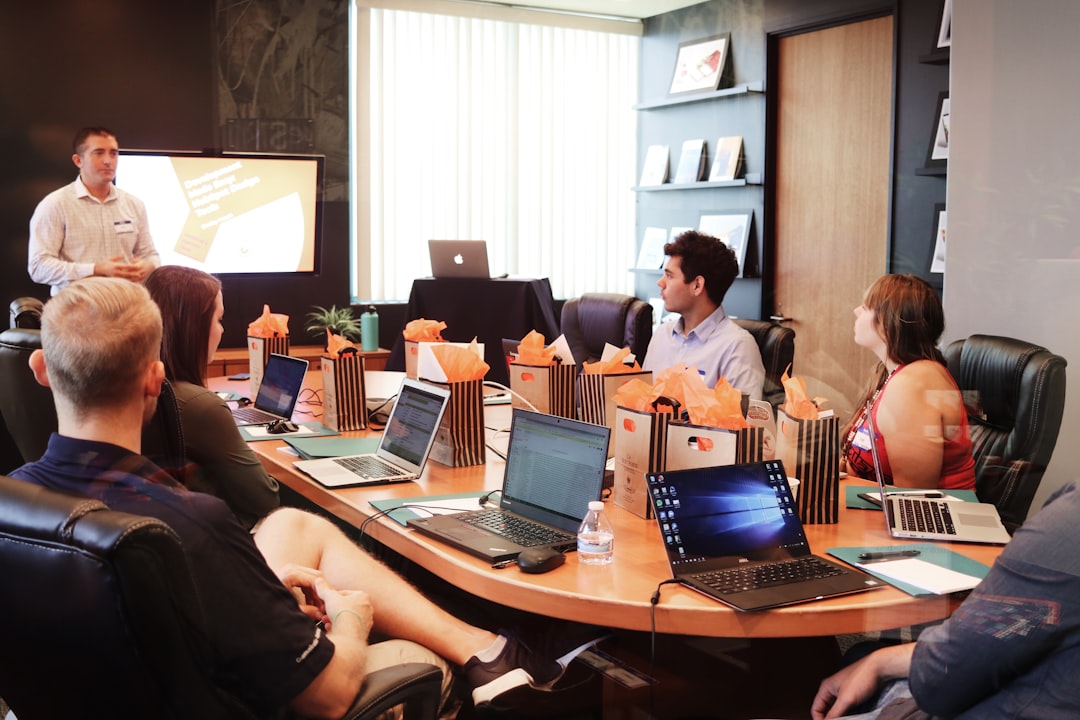
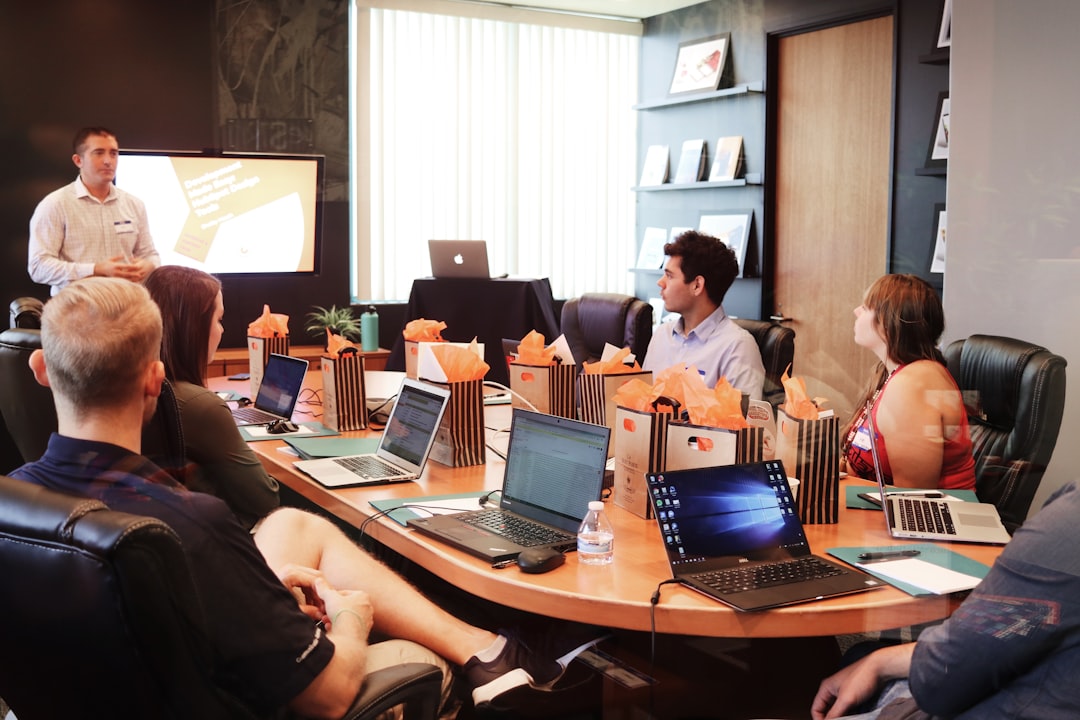
A hosted-buyer programme is a structured invitation programme run by the fair organiser that brings vetted senior buyers to the fair under specific arrangements. Typical components:
- Vetted senior buyer recruitment based on category fit, organisational role, and decision-making authority.
- Flights and accommodation provided or substantially subsidised.
- Pre-fair meeting scheduling that pairs buyers with relevant exhibitors (typically sponsors of the programme).
- Structured fair-week experience: opening reception, hosted-buyer dinner, dedicated lounges, programme-specific concierge support.
- Post-fair engagement: follow-up programmes and outcome tracking.
The programme is designed to ensure that category-leading buyers attend even when their employer wouldn’t fund the trip independently. The economics work because the fair organiser absorbs the buyer-side cost through a combination of sponsorship revenue, venue support, and category-leading buyer demand.
“Hosted-buyer programmes are the highest-leverage commercial integration available at tier-one European trade fairs. The programme structure solves both sides of the senior-buyer attendance problem in a single operational frame.”, UFI Global Exhibition Barometer commentary on hosted-buyer programmes, 2025
Programme size at major European fairs
The table below summarises typical hosted-buyer programme scale at major European fairs in 2026.
| Fair | Hosted buyer count | Programme structure | Sponsor count |
|---|---|---|---|
| ITB Berlin | 1,500-2,200 | Travel + accommodation + curated meetings | 40-60 |
| Anuga Cologne | 800-1,200 | Travel + accommodation + meetings | 25-40 |
| EuroShop Düsseldorf | 600-900 | Accommodation subsidy + meetings | 20-30 |
| drupa Düsseldorf | 500-800 | Accommodation subsidy + meetings | 18-25 |
| K Düsseldorf | 450-750 | Accommodation subsidy + meetings | 18-25 |
| Hannover Messe | 800-1,200 | Sector-specific subprogrammes | 30-50 |
| IFA Berlin | 600-900 | Retail-focused subprogramme | 20-30 |
| ISE Barcelona | 400-650 | Enterprise AV focus | 15-22 |
| Salone del Mobile Milan | 300-500 | Design buyer focus | 12-18 |
| MWC Barcelona | 700-1,100 | Telecom + enterprise tech | 25-40 |
The programme size correlates with the fair’s overall scale and the available sponsorship budget. ITB Berlin’s programme is the largest hosted-buyer programme in Europe by visitor count. Anuga and Hannover Messe run the largest B2B programmes.
Exhibitor sponsorship of hosted-buyer programmes
Exhibitor sponsorship typically costs EUR 18,000-55,000 depending on fair and programme structure. The exact pricing varies by fair size and the specific sponsor tier within the programme.
Standard sponsor benefits typically include:
- Inclusion in the hosted-buyer event programme (opening reception, dinner, dedicated meeting time).
- Hosted-buyer attendee list with contact details and category alignment.
- Branded materials in hosted-buyer welcome packs.
- Dedicated meeting time slots with hosted buyers during the show.
- Integration with the buyer programme’s scheduling system.
- Branded hospitality space within the hosted-buyer lounge.
- Sometimes a dedicated meeting room within the hosted-buyer area.
Premium sponsor tiers add:
- Speaking slot at hosted-buyer welcome reception.
- Exclusive dinner sponsorship.
- Branded experience or activity within the programme.
- Earlier access to buyer-meeting scheduling.
- Higher meeting allocation per buyer.
Commitment timing for hosted-buyer sponsorship runs 4-6 months before show. Late commitments occasionally accepted within 8-12 weeks of show but typically at full rate without bundled benefits.
Hosted-buyer sponsorship ROI
Hosted-buyer sponsorship typically delivers the strongest ROI of any sponsorship tier at major European fairs. The economics are driven by:
Direct senior-buyer access. The buyers in the programme are vetted senior buyers from named accounts. Direct meeting access at scale is structurally hard to engineer outside the programme.
Structured follow-up engagement. The programme is designed to facilitate post-meeting follow-up. Sponsors typically receive named-buyer contact details and engagement context that enables high-quality follow-up.
Pipeline attribution clarity. The cohort is named, the meetings are tracked, and the post-fair pipeline can be attributed cleanly. Few sponsorship tiers offer this level of attribution.
Observed ROI bands across major European fairs:
| Fair | Sponsorship cost (EUR) | Typical 12-month ROI |
|---|---|---|
| ITB Berlin | 28,000-48,000 | 2.5-3.5x |
| Anuga Cologne | 22,000-42,000 | 2.8-4.2x |
| EuroShop Düsseldorf | 25,000-45,000 | 2.5-3.8x |
| drupa Düsseldorf | 24,000-44,000 | 2.4-3.5x |
| K Düsseldorf | 22,000-42,000 | 2.5-3.8x |
| Hannover Messe (sector) | 25,000-50,000 | 2.6-4.0x |
| IFA Berlin | 22,000-42,000 | 2.4-3.6x |
| ISE Barcelona | 18,000-36,000 | 2.5-3.8x |
The ROI ranges assume well-executed sponsor activity: meeting briefs prepared in advance, dedicated meeting staff during the show, structured follow-up within 48 hours, and 12-month pipeline tracking. Sponsorships executed without those operational structures consistently underperform the ROI ranges shown.
“Hosted-buyer programme sponsorship is the highest-leverage commercial integration available at most tier-one European fairs. The cohort definition, the meeting structure, and the attribution clarity together produce ROI patterns that few other sponsorship tiers match.”, CEIR exhibition sponsorship research, 2024 update
Buyer-side application process
For buyers wanting to participate in hosted-buyer programmes, the application process follows a consistent pattern across most major European fairs.
Application opening: 4-6 months before show. The organiser publishes the programme application form online with eligibility criteria.
Eligibility criteria: Typically include senior decision-making role, organisation type fit (commercial buyer vs. consultant vs. competitor), purchasing volume or authority threshold, and category alignment with the fair. Self-declared in the application; verified by organiser through reference checks.
Application close: 8-12 weeks before show.
Selection process: 6-10 weeks before show. Organisers select buyers based on fit with sponsor exhibitor target lists, geographic diversity, role diversity, and overall programme balance.
Confirmation: Typically 6-8 weeks before show. Confirmed buyers receive programme details, flight booking instructions, accommodation arrangements, and initial meeting calendar.
Pre-fair preparation: 2-4 weeks before show. Buyers complete pre-fair survey on category interests and meeting preferences. Final meeting calendar locked.
During show: Structured 4-5 day experience including curated meetings, opening reception, dinner, programme lounge access, post-fair survey.
Late applications occasionally accepted into the 4-6 weeks pre-show window for fairs with capacity, but the strongest meeting calendar slots are taken by then.
Buyer eligibility specifics
Eligibility varies by fair but typical thresholds:
| Programme | Role threshold | Organisation threshold | Geographic focus |
|---|---|---|---|
| ITB Berlin | Travel buyer with budget authority | Organisation with EUR 5M+ travel spend | Global, Europe weighted |
| Anuga Cologne | Food/beverage buyer | Retailer/distributor with EUR 50M+ revenue | Europe weighted |
| EuroShop Düsseldorf | Retail technology decision-maker | Retailer with 100+ stores | Europe weighted |
| drupa Düsseldorf | Print/converting buyer | Print operation with EUR 10M+ revenue | Global |
| K Düsseldorf | Plastics/rubber buyer | Manufacturer with significant plastics spend | Global |
| Hannover Messe | Industrial automation buyer | Manufacturer with industrial automation budget | Europe weighted |
| ISE Barcelona | Enterprise AV decision-maker | Organisation with enterprise AV infrastructure | Europe weighted |
The eligibility thresholds are minimum filters; the actual selection process favours buyers from larger organisations, more senior roles, and stronger category fit with sponsor exhibitor targets.
Programme structures: meeting allocation
The meeting scheduling within hosted-buyer programmes varies by fair structure.
Curated meeting model (ITB Berlin, Anuga Cologne, EuroShop): The organiser pre-schedules meetings between specific buyers and specific exhibitor sponsors based on category alignment and stated interests. Each buyer typically receives 6-12 pre-scheduled meetings across the fair days.
Self-scheduled model (some smaller programmes): Buyers receive sponsor list and exhibitor list with category tags, and self-schedule their meetings through a programme app. More buyer flexibility, less sponsor predictability.
Hybrid model (most large programmes): Mix of pre-scheduled meetings (typically 5-8 per buyer) and self-scheduled flexibility. Provides scheduling predictability while preserving buyer choice.
Sponsor tier within the programme affects meeting allocation. Premium sponsors typically receive priority slots; standard sponsors receive meeting allocation proportional to their commitment level.
Programme experience: what happens during the show
A typical hosted-buyer experience at a major European fair:
Day 0 (evening before show): Welcome reception, opening dinner, programme orientation.
Day 1 (Monday): First scheduled meetings, lighter calendar to allow buyers to orient. Programme lounge access between meetings.
Day 2 (Tuesday): Peak meeting day. 4-6 scheduled meetings plus self-scheduled exploration time.
Day 3 (Wednesday): Peak meeting day. 4-6 scheduled meetings. Hosted-buyer dinner.
Day 4 (Thursday): Lighter meeting calendar, time for self-scheduled meetings and product exploration.
Day 5 (Friday): Optional shortened day. Final scheduled meetings. Departure.
The 5-day structure produces 15-30 high-quality meetings per buyer, which is materially higher than the buyer would achieve without programme structure.
Hosted-buyer cohort outcomes
Observed post-fair outcomes for hosted-buyer cohorts:
- 30-day follow-up engagement rate from sponsor meetings: 75-90 percent (against 35-50 percent for walk-up qualified leads).
- 90-day pipeline qualification rate: 65-80 percent.
- 12-month closed-deal rate: 25-40 percent.
- Average deal value from cohort: typically 1.5-2.5x equivalent walk-up cohort.
The pattern is consistent across fairs: hosted-buyer cohort outcomes are structurally better than walk-up cohort outcomes, by margins large enough to justify the sponsorship cost without difficulty.
“Buyers attending hosted-buyer programmes engage with sponsor brands 3 to 5 times more frequently in the 90 days after the fair than equivalent buyers attending the same fair outside the programme. The structural difference in cohort outcomes is the entire economic case for programme sponsorship.”, AUMA Exhibitor Survey commentary on hosted-buyer ROI, 2025
Common hosted-buyer programme mistakes
Three patterns recur on the exhibitor side.
First, sponsorship without operational preparation. Sponsors who don’t prepare meeting briefs, don’t staff dedicated meeting time, and don’t structure follow-up consistently underperform. The programme delivers access; the exhibitor has to execute against the access.
Second, late sponsorship commitment. Sponsorship committed within 8 weeks of show typically misses the meeting-allocation phase and receives weaker schedule fit.
Third, generic interaction with hosted buyers. The programme buyers are senior decision-makers. Treating them with generic stand interactions rather than dedicated senior-level engagement consistently produces below-band ROI.
On the buyer side: under-preparation. Buyers who don’t complete the pre-fair survey thoroughly receive less well-fitted meeting allocation.
How to operationalise on the directory
The /hosted-buyer-programmes hub at Exhibition Stands EU lists active programmes at the 40 most active European tier-one fairs with application timelines, sponsor cost bands, and eligibility criteria. The /rfq channel routes hosted-buyer sponsorship enquiries to fair-experienced consultants within 24 hours.
Related reading
- Meeting Program ROI: Pre-Show Outreach, the direct outreach approach that complements hosted-buyer programmes
- Exhibitor Sponsorship Package Cost Comparison, where hosted-buyer sponsorship sits in the broader tier structure
- Sponsorship ROI Measurement Framework, how to measure programme outcomes
- Booth Staffing Calculator, staffing requirements for hosted-buyer meeting volume
- Fair Selection Scorecard European B2B, when hosted-buyer programme strength affects fair selection
References and primary sources
- UFI Global Exhibition Barometer, hosted-buyer programme commentary editions 33-34, ufi.org
- CEIR exhibition sponsorship research and Index Report 2024, ceir.org
- AUMA Exhibitor Outlook, Association of the German Trade Fair Industry, auma.de
- ITB Berlin Hosted Buyer Programme 2026, itb.com
- Anuga Hosted Buyer Programme 2026, Koelnmesse
- Messe Düsseldorf hosted-buyer programmes for EuroShop, drupa, K
- Deutsche Messe Hannover Messe hosted-buyer sector programmes 2026
- Fira de Barcelona ISE hosted-buyer programme 2026
FAQFrequently asked questions
A structured invitation programme run by trade fair organisers that brings vetted senior buyers to the fair under specific arrangements (flights, hotels, structured meeting calendar). The programme is designed to ensure category-leading buyers attend even when their employer wouldn’t fund the trip. From the buyer’s perspective, attendance is essentially free with a scheduled meeting calendar.
From the exhibitor’s perspective, hosted-buyer programmes deliver direct senior-buyer access that base stand traffic doesn’t reliably engineer.
Most tier-one European fairs do, with structures varying by fair. ITB Berlin runs one of the largest hosted-buyer programmes in Europe (hosted by Messe Berlin). Anuga Cologne runs a substantial programme. EuroShop, drupa and K all run hosted-buyer programmes. Hannover Messe runs sector-specific buyer programmes. IFA runs a programme focused on retail buyers.
ISE Barcelona runs a programme focused on enterprise AV buyers. The structures and eligibility vary; the productive starting point is contacting the fair’s exhibitor relations team.
Hosted-buyer sponsorship typically costs EUR 18,000-55,000 depending on fair and programme structure (covered in the sponsorship-package article).
Sponsor benefits typically include: inclusion in the hosted-buyer event programme (dinner, opening reception, dedicated meeting time), hosted-buyer attendee list with contact details, branded materials in hosted-buyer welcome packs, dedicated meeting time slots, and integration with the buyer programme’s scheduling system. Commitment timing: typically 4-6 months before show.
Most hosted-buyer programmes open applications 4-6 months before show. Applications close 8-12 weeks before show. The selection process runs 6-10 weeks before show with confirmations issued. Late applications occasionally accepted into the 4-6 weeks pre-show window for fairs with capacity, but the strongest meeting calendar slots are taken by then. Buyers planning to participate should start the application process 4-5 months before show.
Hosted-buyer sponsorship typically delivers the strongest ROI of any sponsorship tier at major European fairs, often running 2.5x-4.0x on a 12-month horizon. The math is driven by direct senior-buyer meeting access combined with structured follow-up engagement. Buyers attending hosted-buyer programmes are 3x-5x more likely to book post-fair meetings with sponsor brands compared to senior buyers attending the same fair without programme participation.
Hosted-buyer participants are scheduled into structured meetings at sponsored stands but also have flexibility for walk-up exploration. The programme typically increases overall senior-buyer foot traffic at the fair by 15-30 percent, which benefits all exhibitors not just sponsors. The differentiating benefit to sponsors is structured meeting time with named buyers; the indirect benefit to non-sponsors is higher overall senior-buyer presence in the halls.