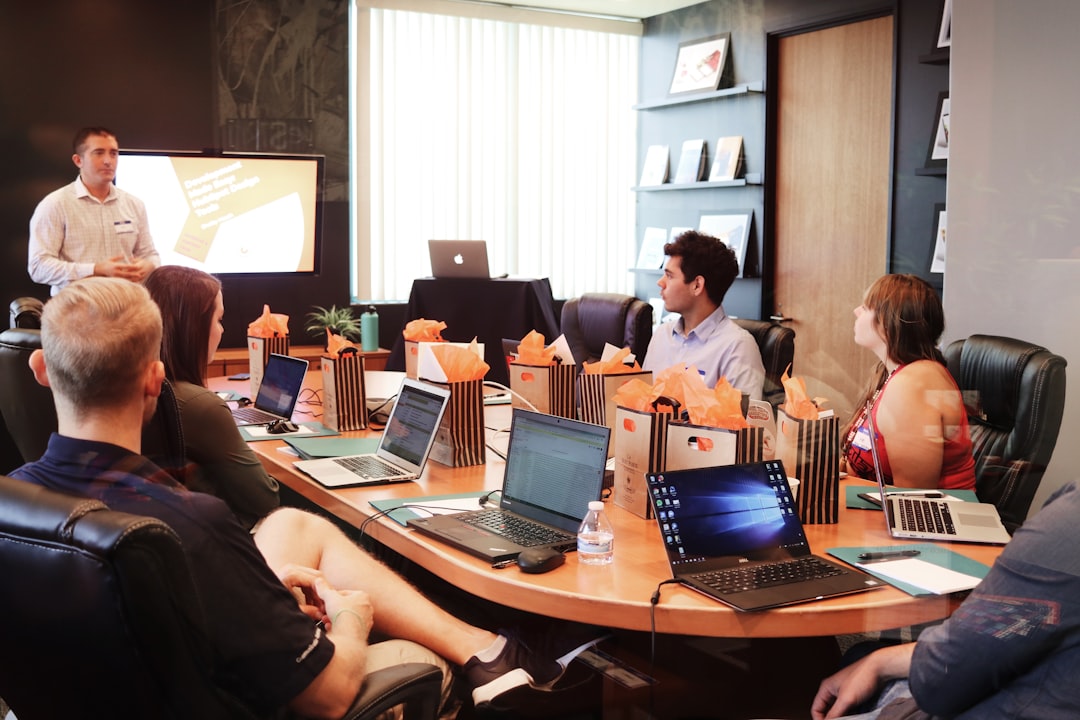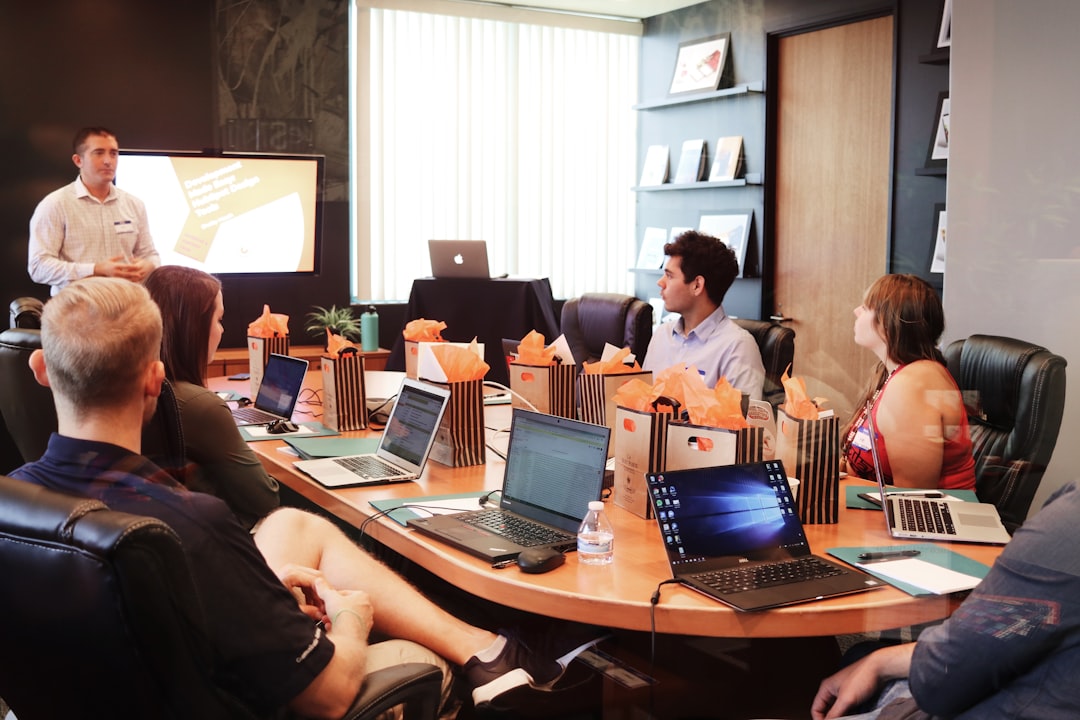
Networking at tier-1 European fairs, whether through hosted buyer programmes or an exhibitor’s own outreach, is now measured by one number: the share of meetings that are pre-booked before the show floor opens. UFI Global Barometer 2026 data and observation across major European venues consistently shows the pre-booked meeting share running fifty to sixty-five percent of total qualified meetings at tier-1 fairs.
The exhibitor who walks into Hannover Messe, MWC Barcelona, EuroShop, or drupa without a structured pre-booked meeting calendar is operating an entire fair cycle below the working median.
The pre-booked meeting share is the single most reliable indicator of fair-execution discipline because it requires every other element of fair preparation to be working: a defined target audience, a working pre-fair marketing programme, a meeting-coordinator role staffed and trained, a functional CRM-to-fair-platform integration, and a credible reason for senior buyers to commit calendar time before the fair opens.
This article walks through the networking and meeting-programme framework experienced European exhibition managers use to build the pre-booked meeting layer that protects fair ROI. It covers the four channels that produce pre-booked meetings, the IMEX and IBTM hosted-buyer programme economics, the evening-event programme that handles relationship-building beyond stand hours, and the named-fair patterns from IMEX Frankfurt to IBTM World Barcelona.
The pre-booked meeting share: what the data shows
Pre-booked meeting share has risen substantially since 2020. Three structural shifts drove the change. Fair organisers invested in digital meeting-booking platforms that made pre-booking operationally feasible at scale. Buyers became increasingly time-pressured and shifted from walk-up exploration toward calendar-committed meeting agendas. Exhibitors discovered that pre-fair outreach produced measurably better meeting quality than walk-up traffic and shifted budget accordingly.
The current pattern across major European fairs:
| Fair tier | Typical pre-booked meeting share | Working target for serious exhibitors |
|---|---|---|
| Tier-1 flagship (MWC Barcelona, EuroShop, drupa, IFA) | 55-65% | 65% |
| Tier-1 vertical (Hannover Messe, Anuga, Bauma, EMO) | 50-60% | 60% |
| Tier-2 regional (Light + Building, Vicenzaoro, Cosmoprof Bologna) | 40-55% | 55% |
| Hosted-buyer programme fairs (IMEX, IBTM) | 80-95% | 90% (programme is structured around it) |
| Tier-3 niche / specialist | 30-45% | 45% |
The hosted-buyer programme fairs sit at the top of the pre-booked share because the programme structure itself is built around pre-booked meetings. The standard tier-1 fairs sit in the 50-65 percent range as the dominant pattern.
“The conversation we have with new clients is the same every time. They tell us their booth was busy. We ask how many of the meetings were pre-booked. They tell us five or ten. We tell them they were running a 2018 playbook in a 2026 market. The pre-booked share is the leading indicator. Walk-up traffic is the lagging one.”, Common framing among European exhibition consultants
The four channels that produce pre-booked meetings
Four channels reliably produce pre-booked meetings at European tier-1 fairs. The defensible exhibitor uses all four, weighted to the specific fair’s structure.
Channel 1: Outreach to existing pipeline. Known contacts in the CRM receive personalised meeting invitations four to eight weeks before the fair. The outreach is owned by the named account executive for each contact, not by a marketing-mass-mail. Personal outreach to one hundred top-tier contacts produces a substantially higher meeting-booking rate than a thousand-contact mass invitation.
Channel 2: Outreach via the organiser’s attendee list. Most tier-1 European fair organisers provide exhibitors with access to registered-attendee data (subject to GDPR-compliant consent). Targeted invitations to attendees matching the exhibitor’s audience profile produce meeting bookings from the high-intent attendee population. The data access varies by fair; some organisers provide full attendee lists, others provide filtered subsets, others provide opt-in-only contact data.
Channel 3: The fair’s matchmaking platform. Most tier-1 European fairs operate digital meeting-booking platforms where exhibitors and visitors propose and confirm meetings. The platforms typically open six to twelve weeks before the fair. Active platform engagement during the pre-fair window produces twenty to thirty-five percent of total pre-booked meetings at fairs operating substantial platforms.
Channel 4: Hosted-buyer programme participation. At fairs operating hosted-buyer programmes (IMEX, IBTM, and industry-specific programmes), participation includes a defined number of pre-booked meetings with hosted buyers as part of the programme sponsorship. The meetings are typically arranged through interest-matching processes operated by the programme.
The four channels produce different meeting types. Channel 1 (existing pipeline) produces meetings with known accounts at known relationship depth. Channel 2 (organiser attendee outreach) produces meetings with high-intent new prospects. Channel 3 (platform) produces a mix of new prospects and existing-pipeline reactivations. Channel 4 (hosted-buyer) produces meetings with programme-qualified buyers brought to the fair specifically for meeting structure.
The meeting calendar structure
A defensible meeting calendar covers the show days plus the evening reception window. The structure below is the convention experienced European exhibition managers use.
| Time block | Meeting density | Meeting type | Staffing implication |
|---|---|---|---|
| Day 1 morning (open to 11:00) | Low | Strategic / VIP / pre-show appointment | Stand lead and one specialist |
| Day 1 mid-day (11:00-14:00) | High | Booked qualified meetings | Multiple specialists in rotation |
| Day 1 afternoon (14:00-17:00) | High | Booked qualified meetings + walk-up qualifier handoffs | Multiple specialists |
| Day 1 evening (after fair close) | Reception or hosted dinner | Relationship / top-tier | Senior team |
| Day 2 morning | Medium-high | Booked meetings | Multiple specialists |
| Day 2 mid-day | High | Booked + walk-up | Multiple specialists |
| Day 2 afternoon | Medium | Booked + walk-up | Multiple specialists |
| Day 2 evening | Hosted dinner or partner reception | Relationship | Senior team |
| Day 3 morning | Medium | Booked meetings | Multiple specialists |
| Day 3 afternoon | Medium-low | Booked + walk-up | Reduced staffing |
| Day 4 morning (often short day) | Low-medium | Final-day catch-up meetings | Reduced staffing |
| Day 4 close | Wrap-up | Same-day decision conversations | Reduced staffing |
The meeting density should match the qualified-meeting capacity of the booth. A 90 sqm booth with two dedicated meeting rooms and three product specialists can sustain twenty to thirty qualified meetings per day at the working pattern of forty-five to sixty minutes per meeting plus fifteen-minute handover gaps. Overbooking produces visible meeting-room queues that erode the buyer experience.
The IMEX hosted-buyer programme
IMEX Frankfurt is the dominant European event-industry fair operating a structured hosted-buyer programme. The programme brings approximately three to four thousand qualified event-industry buyers to the fair at the organiser’s expense, flights, accommodation, registered meeting calendars, and structured networking events.
IMEX Frankfurt typically runs in May. The hosted-buyer programme includes:
- Buyer qualification by the IMEX team (decision-making authority, budget control, active project pipeline)
- Pre-fair interest-matching between buyers and exhibitors
- Pre-booked meeting schedules issued to both sides before the fair
- Dedicated meeting infrastructure within the fair
- Structured networking events for hosted buyers and exhibitors
- Post-fair followup support
Exhibitor sponsorship of the hosted-buyer programme typically runs EUR 35,000-90,000 depending on the tier, with twenty to fifty pre-booked meetings included in the package. The cost per pre-booked qualified meeting works out to EUR 800-2,250, within the working benchmark range for European hosted-buyer programmes generally.
The IMEX programme works best for destinations, venues, hotel groups, audio-visual providers, event-technology vendors, and event-service providers targeting the meetings and incentive-travel buyer market. The economics rarely justify participation for exhibitors outside the event-industry buyer market.
The IBTM World Barcelona hosted-buyer programme
IBTM World runs in Barcelona in November. The programme structure mirrors IMEX in many respects: hosted-buyer qualification, pre-fair matching, pre-booked schedules, structured networking.
The differences are calendar position (November rather than May, useful for exhibitors building a multi-fair European programme), geographic emphasis (stronger southern European and Latin American buyer concentration than IMEX), and slightly different buyer demographic emphasis (heavier corporate event-planning representation).
IBTM hosted-buyer programme sponsorship typically runs EUR 30,000-75,000 with eighteen to forty-five pre-booked meetings included, producing similar cost-per-meeting economics to IMEX.
“We attend both IMEX Frankfurt and IBTM World Barcelona because the buyer overlap is partial rather than complete. The IMEX Frankfurt buyer base concentrates on association meetings and German-corporate; the IBTM Barcelona base concentrates on incentive travel and Mediterranean-corporate. Skipping one or the other leaves identifiable buyer segments uncovered.”, Common framing among European destination and venue exhibitors
Industry-specific hosted-buyer programmes
Beyond IMEX and IBTM, several industry-specific European fairs operate hosted-buyer programmes. The programmes follow similar structural patterns at smaller scale.
| Fair | Programme structure | Sponsorship pricing |
|---|---|---|
| Cosmoprof Bologna | Hosted-buyer programme for international beauty buyers | EUR 15,000-50,000 |
| Vicenzaoro | Hosted-buyer programme for international jewellery buyers | EUR 20,000-60,000 |
| Maison&Objet | Hosted-buyer programme for international design buyers | EUR 25,000-70,000 |
| Pitti Uomo Florence | Hosted-buyer programme for menswear buyers | EUR 18,000-55,000 |
| Various Salone del Mobile satellite programmes | Variable | EUR 15,000-80,000 |
The economics work in the same direction: EUR 700-2,500 per pre-booked qualified meeting, with the buyer-qualification rigour determining the upper end of the meeting-value range.
The evening event programme
Evening events handle the relationship-building work that on-stand meetings cannot. The defensible pattern at tier-1 European fairs: at least one substantial evening event per fair, hosted for top-tier customers and selected hosted-buyer-programme participants.
| Evening event type | Cost range (EUR) | Headcount | Purpose |
|---|---|---|---|
| Cocktail reception at venue near fair | 8,000-18,000 | 40-100 | Broad relationship building |
| Hosted dinner at credible restaurant | 12,000-30,000 | 20-50 | Top-tier relationship deepening |
| Co-hosted partner reception | 15,000-40,000 (shared) | 60-150 | Joint relationship building with partners |
| Industry-leader breakfast / lunch | 6,000-15,000 | 20-40 | Senior-executive engagement |
| Cultural / experience event | 18,000-45,000 | 30-80 | Memorable shared experience |
Evening events serve three functions. First, deepening relationships with known top-tier buyers in unstructured conversation. Second, generating informal conversation that on-stand time cannot produce, the value of a thirty-minute relaxed dinner conversation frequently exceeds the value of three twenty-minute on-stand meetings. Third, creating a memorable shared experience that strengthens post-fair recall.
Exhibitors who skip evening events at tier-1 fairs frequently underperform on long-term account development. The on-stand programme captures the meeting volume; the evening programme captures the relationship depth that converts meetings into long-term accounts.
The matchmaking platform discipline
Fair-operated matchmaking platforms produce twenty to thirty-five percent of pre-booked meetings at fairs operating substantial platforms. The platforms work when operated actively and underperform when treated as a registration formality.
Active platform operation requires:
- A complete exhibitor profile (capabilities, products, target buyer types, named products of interest)
- Active engagement during the four-to-eight-week pre-fair window: daily review of inbound meeting requests, daily proactive outreach to matched buyers
- Defined response-time discipline: inbound meeting requests answered within twenty-four hours, ideally within four working hours
- Named owner: a meeting-coordinator role or designated marketing-operations person, not a shared inbox
- Integration with the CRM so platform-generated leads route into the existing pipeline workflow
- Daily activity audit during the pre-fair window: requests sent, requests received, meetings booked, conflicts resolved
The investment is typically a per-fair platform fee (EUR 1,500-6,000 depending on tier and inclusions) plus the staff time to operate the platform. Both are modest relative to the meeting volume produced when operation is active.
“We treat the matchmaking platform like a digital channel that requires the same operational discipline as paid search. Daily engagement, named owner, response-time discipline, CRM integration, weekly review. The platforms that look ‘broken’ to exhibitors are usually being operated as inboxes rather than channels.”, Common framing among European exhibition operations leads
Named-fair networking patterns
MWC Barcelona: The fair’s MyMWC matchmaking platform produces substantial pre-booked meeting volume. Evening events concentrate in the Eixample district. Tier-1 sponsorship-bundled hosted events draw senior telecoms-operator executives.
IFA Berlin: IFA Marketing Solutions platform produces pre-booked meetings. Evening events distribute across Berlin’s central districts. The fair’s media-week structure (IFA NEXT trade days followed by public days) shifts evening-event scheduling.
EuroShop Düsseldorf: Strong retail-design buyer concentration produces high matchmaking-platform activity. Evening events frequently co-hosted with retail-industry trade associations.
drupa Düsseldorf: Long fair duration (eleven days) requires meeting-calendar pacing across multiple days. Evening events distribute across the long calendar.
Hannover Messe: The fair’s matchmaking platform operates strongly in the industrial-automation and digital-factory verticals. Evening events frequently industry-association co-hosted.
Anuga Cologne: Strong international buyer attendance produces high matchmaking-platform activity. Evening events frequently regional-cuisine-themed.
Salone del Mobile: Networking is heavily distributed across the Fuorisalone events in Milan during the fair week. Off-fair-floor networking is at least as important as on-fair-floor.
ISE Barcelona: The fair’s ISE Meet platform operates strongly in the AV-integration vertical. Evening events distribute across Barcelona’s central districts.
IMEX Frankfurt: Hosted-buyer programme dominates. Off-programme networking is secondary.
IBTM World Barcelona: Same as IMEX, hosted-buyer programme dominates.
Vivatech Paris: Strong startup-and-corporate networking. Matchmaking platform produces substantial meeting volume.
Watches & Wonders Geneva: Networking heavily relationship-driven. Hosted-private programmes dominate over open-floor matchmaking.
Common networking and meeting-programme mistakes
Mistake 1: Walking in without a pre-booked meeting calendar. Operating below the 50-65 percent pre-booked benchmark at tier-1 fairs.
Mistake 2: Skipping pre-fair outreach to existing pipeline. Known accounts deserve named-account-executive personal invitations, not mass-mail invitations.
Mistake 3: Treating the matchmaking platform as an inbox. Active engagement, response-time discipline, named owner are required to extract value.
Mistake 4: Overbooking the meeting calendar. Visible meeting-room queues erode buyer experience.
Mistake 5: Skipping evening events at tier-1 fairs. Long-term account development suffers without the relationship-deepening that evening events produce.
Mistake 6: Booking hosted dinners without a clear guest list. Open-invitation dinners frequently underperform tightly curated guest lists.
Mistake 7: Hosted-buyer programme sponsorship without matching booth capacity. The programme generates meeting volume; if the booth lacks meeting-room and specialist capacity, the meetings degrade in quality.
Mistake 8: No meeting-coordinator role on the staffing plan. The booked meeting calendar needs explicit ownership during the fair days.
Related reading
- Booth Staffing for European Trade Fairs, the meeting-coordinator role within the seven-role staffing framework
- Sponsorship and Add-On Packages, hosted-buyer programme sponsorship as a sponsorship category
- Participation Budget Planning, where pre-fair marketing and meeting platform fees sit in the budget
- Staff Training and Briefing, meeting-calendar walkthrough within the pre-fair training day
- Press and Media Relations, journalist meeting calendar as a parallel programme
How to act on this
Filling the diary before the doors open takes all four booking channels running in parallel, a coordinator who owns the calendar, and the discipline to book to capacity rather than to ambition. Build the meeting programme for your next tier-1 fair as follows:
- Target sixty-five percent pre-booked meeting share at tier-1 fairs.
- Activate all four channels: existing pipeline, organiser attendee list, matchmaking platform, hosted-buyer programme.
- Resource the matchmaking platform with active daily engagement during the four-to-eight-week pre-fair window.
- Build the meeting calendar to capacity rather than to ambition; overbooking erodes buyer experience.
- Plan at least one substantial evening event per tier-1 fair with a curated guest list.
- Staff a named meeting-coordinator role during the fair days.
- Use the Booth Cost Calculator to budget meeting-platform fees and evening-event costs.
References and primary sources
- UFI Global Barometer 2026, Union des Foires Internationales, ufi.org
- AUMA Exhibitor Outlook, Association of the German Trade Fair Industry, auma.de
- IMEX Frankfurt hosted-buyer programme documentation 2026, imexevents.com
- IBTM World Barcelona hosted-buyer programme documentation 2026, ibtmworld.com
- MWC Barcelona MyMWC matchmaking platform documentation 2026
- ISE Barcelona ISE Meet platform documentation 2026
- IFA Berlin IFA Marketing Solutions documentation 2026
- Hannover Messe digital exhibitor handbook 2026
- fwd: Bundesvereinigung Veranstaltungswirtschaft (formerly FAMAB, renamed 2021) networking best practices
FAQFrequently asked questions
Fifty to sixty-five percent of qualified meetings at tier-1 European trade fairs are pre-booked before the show floor opens, per UFI Global Barometer 2026 data and observation across major venues. The pre-booked share has risen substantially since 2020 as exhibitors have shifted from depending on walk-up booth traffic to managing structured meeting calendars.
The implication: an exhibitor who walks into a tier-1 fair without a pre-booked meeting calendar is structurally disadvantaged against competitors who have invested in pre-fair outreach. The pre-booked meeting share is the single most reliable indicator of an exhibitor’s fair-execution maturity.
EUR 800-2,500 per pre-booked qualified meeting is the working range for European hosted-buyer programmes (IMEX Frankfurt, IBTM World Barcelona, and equivalent industry-specific programmes). The cost varies by programme structure, the qualification level of hosted buyers, and the volume of meetings in the package.
The economics frequently compare favourably against the cost-per-qualified-meeting at standard tier-1 fair exhibition (often EUR 2,000-5,000 once the all-in fair budget is divided by qualified-meeting count). For event-industry exhibitors and for verticals with active hosted-buyer programmes, the programme economics typically justify substantial investment.
Four channels reliably produce pre-booked meetings. First, outreach to existing pipeline: known contacts in the CRM receive personalised meeting invitations four to eight weeks before the fair. Second, outreach via the organiser’s attendee list (where available): targeted invitations to registered attendees matching the audience profile.
Third, the fair’s matchmaking platform: most tier-1 European fairs operate digital meeting-booking platforms where exhibitors and visitors propose meetings. Fourth, hosted-buyer programme participation: pre-booked meetings included in sponsorship-tier packages. The defensible target: at least sixty percent of qualified-meeting capacity should be pre-booked before the fair opens.
IMEX (International Meetings, Expo, and Exhibitions) operates two flagship fairs: IMEX Frankfurt in May and IMEX America in October. IBTM (Incentives, Business Travel, Meetings) operates IBTM World in Barcelona in November and additional regional editions. Both serve the event-industry buyer market: meeting and event planners, association executives, corporate event leaders.
The hosted-buyer programmes at both deliver structured pre-booked meetings between exhibitors (destinations, venues, service providers) and the hosted buyers. The fairs are similar in structure; the differences are calendar position, geographic emphasis, and the buyer demographic concentration. Many event-industry exhibitors attend both.
Evening events handle the relationship-building work that on-stand meetings cannot. The defensible pattern: at least one substantial evening event per tier-1 fair, hosted for top-tier customers and selected hosted-buyer-programme participants. Costs typically run EUR 8,000-30,000 for a forty-to-eighty-person reception at a credible venue near the fair.
Evening events serve three functions: deepening relationships with known top-tier buyers, generating informal conversation that on-stand time cannot produce, and creating a memorable shared experience that strengthens post-fair recall. Exhibitors who skip evening events at tier-1 fairs frequently underperform on long-term account development.
Yes, but with appropriate expectations. Fair networking apps and meeting platforms generate measurable pre-booked meeting volume, typically twenty to thirty-five percent of total pre-booked meetings at fairs operating dedicated platforms.
The investment is typically a per-fair fee (EUR 1,500-6,000 depending on tier and inclusions) plus the staff time to populate the exhibitor profile, respond to meeting requests, and manage the inbound calendar. The platforms produce more meetings than they cost when operated actively, less when treated as a registration formality. Active operation means daily engagement during the four-to-eight-week pre-fair window.