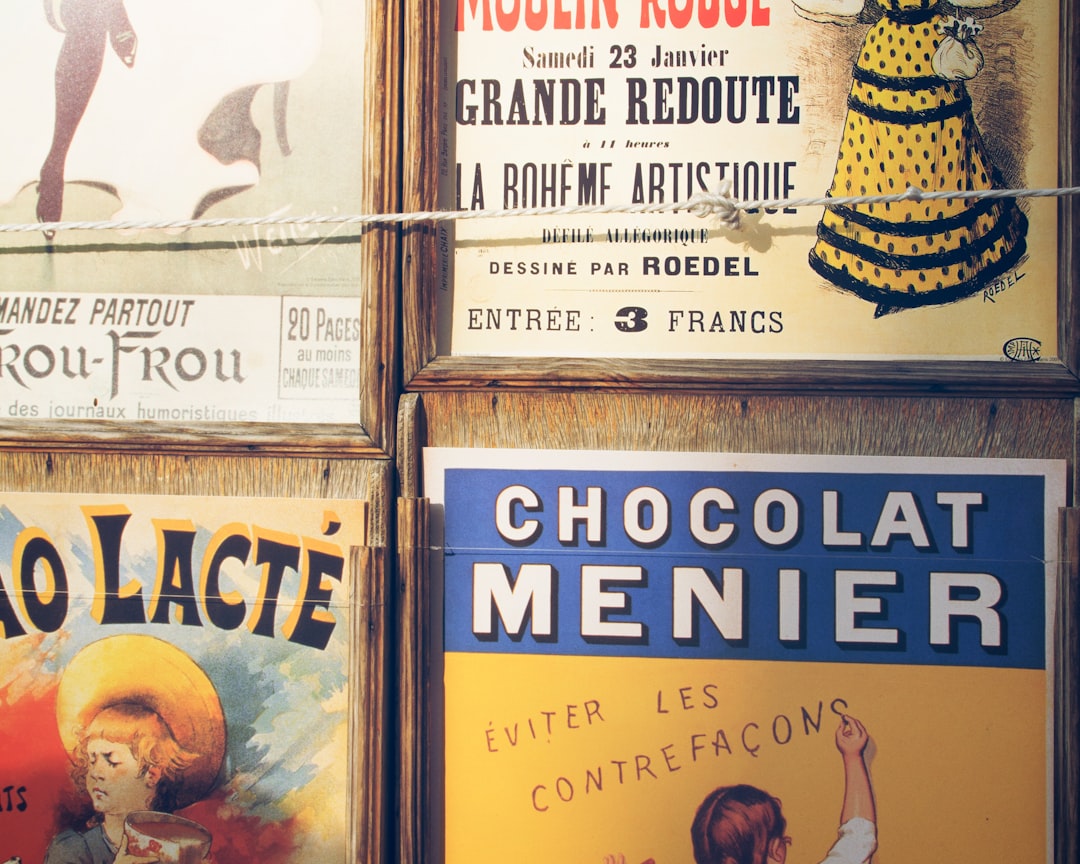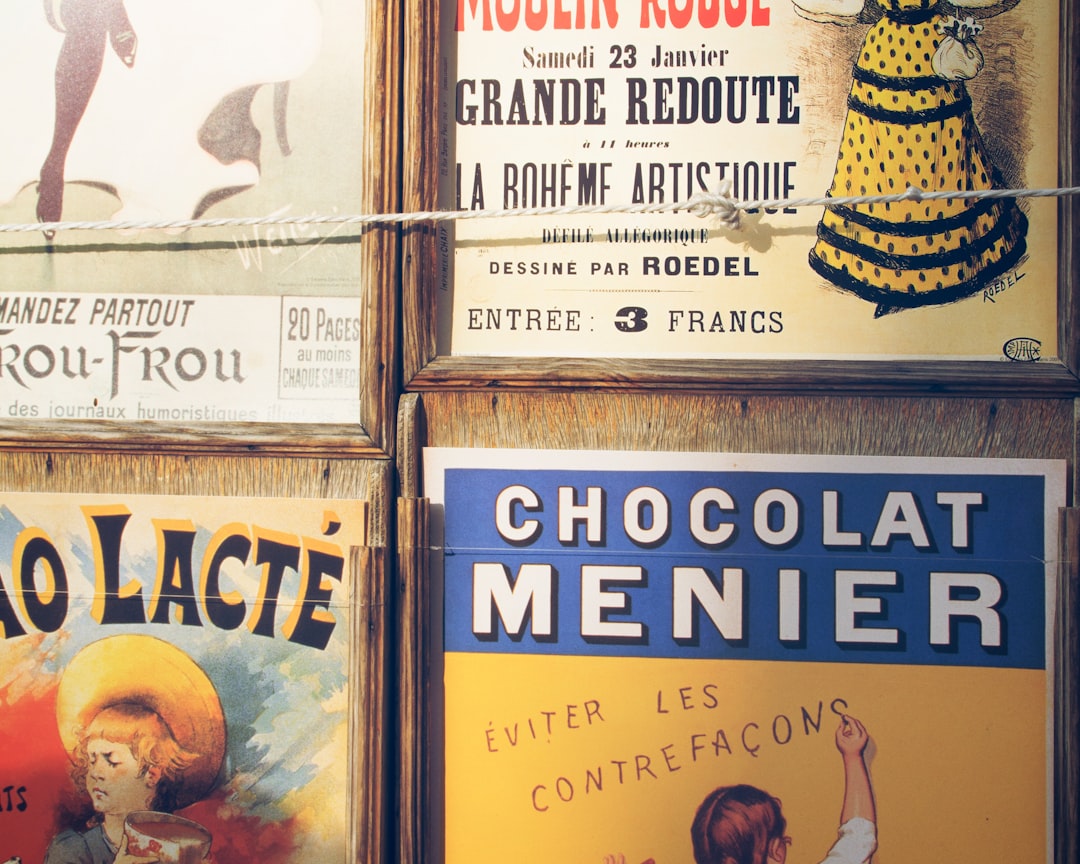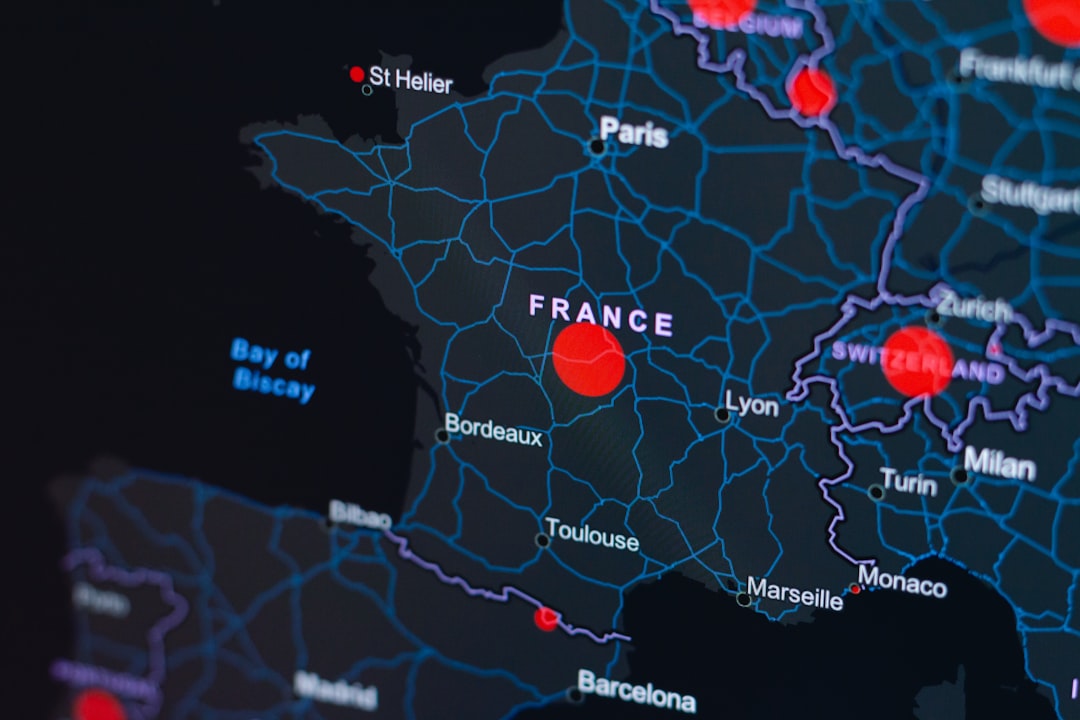
France runs one of the largest exhibition economies in Europe alongside Germany and Italy, anchored by Paris Nord Villepinte and Paris Porte de Versailles in the capital, Eurexpo Lyon in the south-east, Parc Chanot Marseille on the Mediterranean coast, and a network of secondary venues in Bordeaux, Strasbourg, Toulouse, and Nantes.
The French exhibition calendar hosts the global flagships Maison&Objet, SIAL, Vivatech, EquipHotel, Première Vision Paris, Mondial de l’Auto, Salon du Bourget aerospace fair, and Pollutec, events that move roughly 12.5 million visits per year and around EUR 10 billion in industry revenue.
For non-resident exhibitors, French fair budgeting carries two structural differences from Germany: a 20 percent VAT (TVA) rate slightly lower than Italy’s but higher than Switzerland’s, and a building-services environment that requires specific French operational vocabulary to navigate.
This handbook covers TVA reclaim mechanics, cost benchmarks across the major French venues, the build-culture expectations at design-led versus industrial French fairs, and the operational gotchas that catch foreign exhibitors at Villepinte, Versailles, and Eurexpo.
The references draw from UNIMEV Union Francaise des Metiers de l’Evenement, Foires Salons Congres de France (FSCEF), the Direction Generale des Finances Publiques (DGFiP) refund procedures, and the published exhibitor manuals of GL Events, Comexposium, and Reed Expositions France.
Why French fair operations differ from German and Italian standards
French exhibition operations sit conceptually between the German precision regime and the Italian relationship culture. The build-up logistics are more relaxed than at Frankfurt, fewer hard build-up windows, more flexible vehicle access, but the documentation expectations are heavier. French Messe operators require comprehensive insurance documentation, French-language safety briefings for non-French stand crews, and signed liability waivers that German venues handle more lightly.
“The French exhibitor ecosystem is procedurally documentation-heavy but operationally flexible. A first-time German or Italian exhibitor at Villepinte spends the first week amazed at how much paperwork is required, and the second week amazed at how flexibly the rules are applied once the paperwork is on file.”, Common framing among UNIMEV-affiliated exhibitor advisors
The other meaningful structural difference: French fairs are heavily concentrated in Paris. Roughly seventy-five percent of internationally-significant French fair traffic flows through the two Paris venues (Villepinte and Versailles), which means hotel availability, freight forwarding, and stand-builder capacity all cluster in the Ile-de-France region. Provincial fairs benefit from lower local costs but require longer logistics chains for international exhibitors.
French TVA reclaim: the mechanics
French TVA on exhibition services applies at the 20 percent standard rate across stand rental, build, freight, hospitality, and venue services. The reduced 10 percent rate applies to certain hotel accommodation (room rate; ancillary services attract the standard rate) and 5.5 percent applies to certain catering categories. For exhibitor budgeting, the recoverable line is dominated by the 20 percent standard rate.
The reclaim mechanics:
- EU-resident exhibitors: file via the home VAT portal under the EU Eighth Directive. Deadline: 30 September of the year following the fair. Minimum claim: EUR 400 annual / EUR 50 quarterly. Refund window: typically 4-6 months.
- Non-EU reciprocity countries: file directly with DGFiP via the dedicated foreign-VAT portal at impots.gouv.fr. Deadline: 30 June of the year following the fair. Minimum claim: EUR 500 semi-annually / EUR 200 annually. Refund window: typically 6-10 months.
- Non-EU non-reciprocity: not eligible. France’s reciprocity list mirrors Germany’s and Italy’s closely.
“France is the most digitally-mature European jurisdiction for foreign VAT recovery. The DGFiP foreign-VAT portal accepts electronic-invoice submissions directly, which eliminates the paper-original chase that consumes weeks of effort in Germany and Belgium.”, UNIMEV International Exhibitor Service guidance, 2026 edition
The structural advantage for non-EU exhibitors at French fairs: the DGFiP portal is genuinely faster than the BZSt in Germany or the equivalent procedure in Italy or Belgium. First-time non-EU filings see acceptance rates above eighty percent, materially higher than the sixty-five percent acceptance rate typical at the BZSt.
Cost benchmarks across the major French venues
The table below summarises 2026 published space rental rates and AUMA-equivalent all-in budgets across the major French venues for a 100 square metre row stand with mid-quality hybrid build.
| Venue | Location | Hall area (sqm) | Space rental per sqm (EUR) | All-in 100sqm hybrid (EUR) | Recoverable TVA (20%) |
|---|---|---|---|---|---|
| Paris Nord Villepinte | Roissy/CDG | 246,000 | 295-385 | 115,000-175,000 | 19,200-29,200 |
| Paris Porte de Versailles | Paris 15e | 220,000 | 305-395 | 120,000-180,000 | 20,000-30,000 |
| Paris Le Bourget | Le Bourget | 80,000 | 285-370 | 105,000-160,000 | 17,500-26,700 |
| Eurexpo Lyon | Lyon-Chassieu | 140,000 | 245-320 | 92,000-145,000 | 15,300-24,200 |
| Parc Chanot Marseille | Marseille | 55,000 | 215-285 | 80,000-128,000 | 13,300-21,300 |
| Parc Expo Bordeaux | Bordeaux-Lac | 84,000 | 220-290 | 82,000-130,000 | 13,700-21,700 |
| Parc Expo Strasbourg | Strasbourg | 24,000 | 205-275 | 76,000-120,000 | 12,700-20,000 |
| Toulouse Parc Expo | Toulouse | 40,000 | 210-280 | 78,000-125,000 | 13,000-20,800 |
The Paris venues carry roughly a 20-30 percent premium over provincial alternatives, driven primarily by stand-builder labour rates and Paris hospitality costs rather than space rental itself.
Build culture at French fairs: what visitors actually expect
French fair build culture is differentiated more sharply by fair than by venue. The same hall at Villepinte hosts SIAL (food) where modular is fully accepted, then six months later hosts Maison&Objet (interiors) where custom is essentially mandatory. Briefing a stand builder requires fair-specific cultural fluency rather than a generic French template.
Design-led fairs: Maison&Objet, Première Vision, Mondial de l’Auto, MIPCOM
At Maison&Objet, the stand is part of the brand judgement in the same way it is at Salone del Mobile. French interior buyers and international press evaluate stand architecture as evidence of brand design discipline. Custom builds with premium material specifications are the table-stakes choice. Modular stands at Maison&Objet read as foreign exhibitors who have not understood the cultural register.
Première Vision in Paris, the global fabric and textile fair, applies the same logic, stand surface treatments must reference the textile aesthetic of the brand’s products. Many premium French and Italian fabric exhibitors use their own fabrics as stand cladding, which produces visual coherence that printed graphics cannot match.
Mid-spectrum fairs: SIAL, EquipHotel, Vivatech, IFTM Top Resa
SIAL is the global food and beverage fair, where flavour, packaging, and product display dominate the visitor judgement. Hybrid builds with high-quality lighting and tasting stations are the expected register. Custom builds add some signal but the cost-benefit is weaker than at design-led fairs.
EquipHotel and IFTM Top Resa attract hospitality and tourism buyers respectively. Hybrid construction with strong hospitality programming wins over either pure-custom or pure-modular. Visitors at these fairs explicitly evaluate the hospitality you offer them as a proxy for the hospitality your brand offers to its own customers.
Industrial fairs: Pollutec, Industrie Lyon, Salon du Bourget, JEC World
Pollutec (environmental and sustainability), Industrie Lyon (manufacturing), Salon du Bourget (aerospace), and JEC World (composites) reward functional, well-lit stands that put products at eye level. Modular construction is fully accepted; the premium investment in these fairs sits in technical-demo capability and digital interactivity rather than architectural stand quality.
“The same exhibitor at SIAL and Maison&Objet would build very differently. SIAL wants a tasting station, strong product display, and visible product variety. Maison&Objet wants a contemplative spatial experience where the products are placed within a coherent aesthetic environment. Confusing the two is a common foreign-exhibitor mistake at Villepinte.”, Common framing among Paris-based exhibition designers
Hospitality conventions at French fairs
French fair hospitality follows distinct conventions, particularly for press and senior buyer interactions. The components experienced French exhibitors build in:
- Morning coffee service: drip coffee acceptable at industrial fairs; espresso preferred at mid-spectrum and design-led fairs
- Mid-morning patisserie: small pastries from a named patisserie (not generic catering) signal cultural fluency at design-led fairs
- Lunch hosting: invited press and senior buyers expect a proper seated lunch at design-led fairs; book hospitality space accordingly
- Aperitif transition: from 6pm, French fairs shift to a champagne or wine aperitif. Stands that close at fair-end miss the most commercially-productive networking hour
- English-French bilingual capability: French buyers prefer to start conversations in French; switching to English mid-conversation is normal. Stand staff who cannot manage at least courteous French opening are read as commercially under-prepared
The hospitality budget for a 100 square metre French stand at a five-day fair typically runs EUR 8,000-22,000 depending on fair tier. Press hosting at design-led fairs can double this.
Builder selection for French fairs
The French stand-builder ecosystem is structurally different from Germany and Italy. The dominant builders cluster around Paris and Lyon, with a long tail of regional specialists in Bordeaux, Marseille, Strasbourg, and Toulouse. The signals that distinguish builders capable of delivering at Paris-flagship level:
- UFI Union of International Fairs membership for international-fair experience
- Documented portfolio of at least five Paris-fair stands (Villepinte or Versailles) in the previous twenty-four months
- French-language site management and technical-services coordination
- Working relationships with Paris-region freight forwarders and customs agents
- Sustainability certifications (ISO 20121, ADEME-affiliated environmental documentation) increasingly required at flagship French fairs
“France is moving faster than any other major European fair market on stand-build sustainability requirements. ADEME-aligned environmental documentation is becoming a default exhibitor expectation at Villepinte, particularly for fairs targeting public-sector or institutional buyers.”, UNIMEV sustainability working group, 2026 framing
Timeline gotchas specific to the French calendar
French fair calendars have structural features foreign exhibitors miss:
- August closure: like Italy, France substantially closes for the first three weeks of August. Stand builders, freight forwarders, and venue administrative staff return after 15 August. Lock decisions for autumn fairs (Maison&Objet September, Mondial de l’Auto biennial October, Vinexpo September odd years) by mid-July.
- Maison&Objet biannual: runs twice yearly in January and September. Many design-led brands attend only the January edition (the larger of the two) and use the September edition for editorial-launch programming.
- Mondial de l’Auto biennial: runs in even-numbered years; gap years see Paris stand-builder capacity surplus available for other fairs.
- Salon du Bourget aerospace: biennial in odd-numbered years; flagship aerospace builds commission 12-18 months in advance given the engineering documentation required.
- Vivatech overlap: mid-June Vivatech overlaps with the early-summer European tech fair calendar, splitting Paris stand-builder capacity.
For the wider build-type framework, see Modular vs Custom Decision Framework. For the country baseline on French fair culture, see Exhibiting in France: Paris, Villepinte, and Lyon.
Related reading
- Exhibiting in France: Paris, Villepinte, and Lyon, the country overview
- Maison&Objet Design Strategy Guide, design-led French fair deep dive
- Modular vs Custom Decision Framework, fair-segmented in France
- Booth Cost Calculator, model French fair budgets with 20 percent TVA
- Builder Directory, vetted French and pan-European builders with Paris-fair portfolios
- RFQ Workflow, request quotes from three shortlisted French-fair builders
References and primary sources
- UNIMEV Union Francaise des Metiers de l’Evenement, sector annual report and exhibitor service standards 2026
- Foires Salons Congres de France (FSCEF), French fair-industry statistical yearbook 2026
- Direction Generale des Finances Publiques (DGFiP), foreign VAT refund procedure documentation, impots.gouv.fr
- GL Events Group, Paris Nord Villepinte exhibitor service manual 2026
- Comexposium, Maison&Objet and SIAL exhibitor regulations 2026
- Reed Expositions France, JEC World and Pollutec exhibitor manuals 2026
- ADEME Agence de l’Environnement et de la Maitrise de l’Energie, sustainable-event guidance 2026
- ISO 20121:2024 Event Sustainability Management Systems
FAQFrequently asked questions
French TVA on exhibition services applies at the standard 20 percent rate across stand rental, build services, freight, hospitality (excluding certain catering categories at 5.5 percent), and venue services. Hotel accommodation attracts the reduced 10 percent rate on the room component only; ancillary services revert to the standard rate. For exhibitor budgeting, the dominant recoverable line is the 20 percent standard rate, applied to roughly 85-90 percent of typical fair spend.
France’s DGFiP foreign-VAT portal is materially more digitally-mature than Germany’s BZSt system. The DGFiP accepts electronic invoice submissions directly and processes most claims via fully digital workflows, while the BZSt still requires paper original invoices for amounts above EUR 1,000 in many cases. First-time non-EU filings see acceptance rates above 80 percent at DGFiP versus around 65 percent at BZSt.
The reclaim deadline (30 June following year for non-EU) is the same in both jurisdictions; the procedural friction is sharply lower in France.
Paris venues (Villepinte and Versailles) carry roughly a 20-30 percent premium over provincial French venues.
The premium is driven primarily by stand-builder labour rates in the Paris region (approximately 30 percent above the national average), Paris hospitality and accommodation costs (35-50 percent above provincial cities), and higher freight forwarder rates serving the saturated Paris exhibition logistics market.
Space rental itself contributes only modestly to the premium, the structural cost difference sits in the supplier ecosystem rather than the venue itself.
Strongly recommended at all French fairs. French buyers prefer to open conversations in French and switch to English mid-conversation as comfortable. Stand staff with at least courteous French opening capability (‘Bonjour, comment puis-je vous aider?’) signal commercial preparedness.
Stand staff who cannot manage any French at all are read as foreign exhibitors operating below the cultural register expected at Paris fairs. At design-led fairs (Maison&Objet, Première Vision), full French bilingual capability is essentially mandatory; at industrial fairs (Pollutec, Industrie Lyon), competent English with French welcome is acceptable.
ADEME (Agence de l’Environnement et de la Maitrise de l’Energie) is the French environmental agency, and its sustainable-event guidance is increasingly becoming a default exhibitor expectation at flagship Paris fairs. ADEME-aligned environmental documentation includes materials origin tracking, reusability planning, end-of-life waste documentation, and carbon footprint calculation.
Public-sector and institutional buyers at French fairs frequently require ADEME-compliance evidence as a qualifying criterion. Builders with ADEME-aligned process documentation are increasingly the default choice for flagship French stands.
Before mid-July. France substantially closes for the first three weeks of August, stand builders, freight forwarders, and venue administrative staff are largely unavailable until after 15 August.
Maison&Objet (early September), Mondial de l’Auto biennial (October), Vinexpo (September odd years), Pollutec (November biennial), and SIAL (October biennial) all require pre-August commitment for proper builder availability and approval-cycle completion. Late-July commitments for autumn fairs routinely face compressed fabrication windows and surcharge pricing.