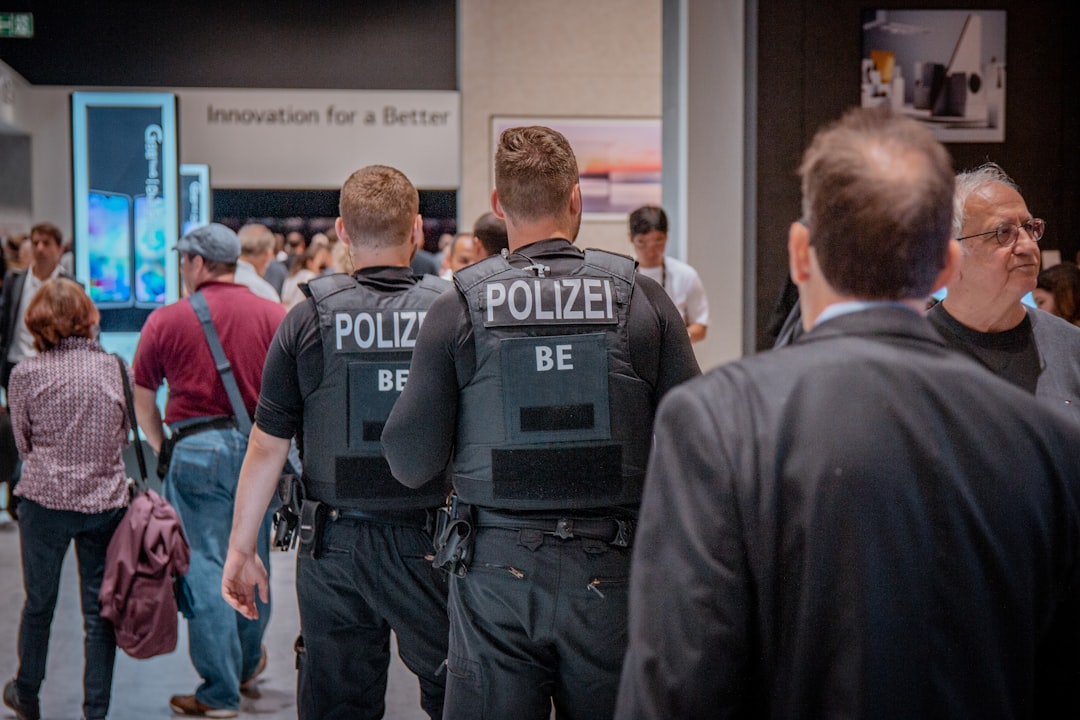
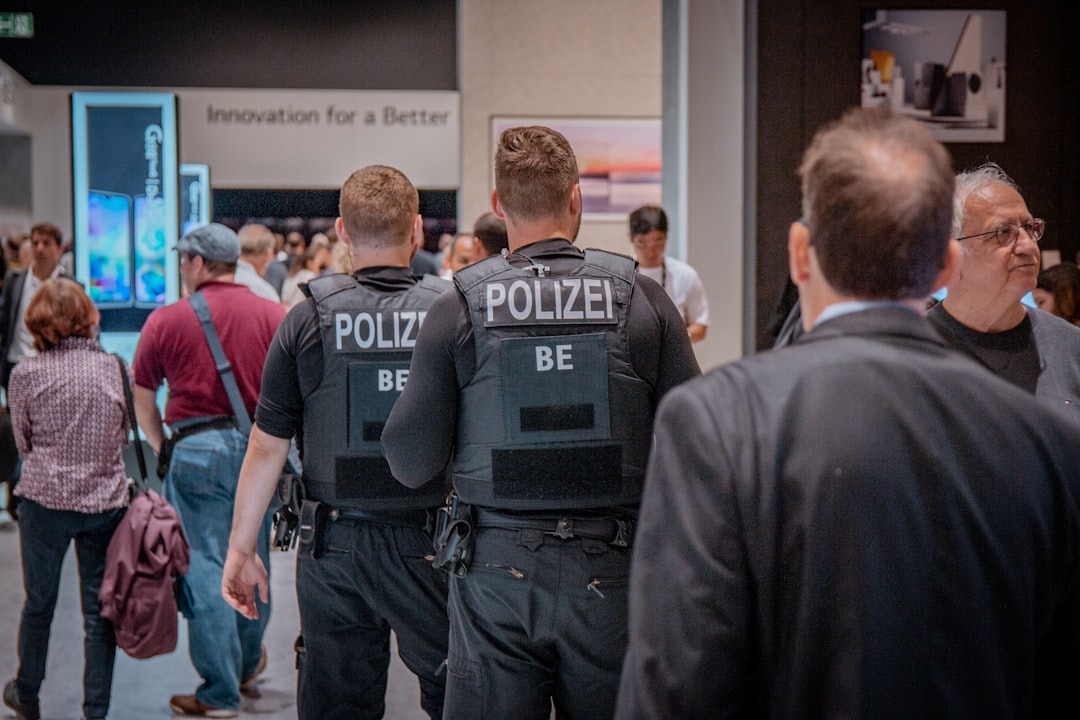
Germany hosts more international trade fairs than any other country in the world. Of the global UFI top-20 exhibition venues ranked by floor area, six are German (Hanover Fairground, Messe Frankfurt, Koelnmesse, Messe Düsseldorf, Messe München, Messe Berlin). Together they host approximately 180 international fairs each year, attended by more than 9 million visitors and 175,000 exhibitors. For every exhibitor, the same question repeats: which stand builder do we use, and how do we evaluate them?
This guide answers that. We list the actual exhibition stand builder companies operating across Germany’s major fair cities, Frankfurt, Munich, Düsseldorf, Cologne, Hannover, Hamburg, Stuttgart, Berlin, and explain the evaluation framework, pricing tiers, technical-compliance requirements, and contracting realities that determine whether your stand opens on schedule with the brand outcome you expected.
The German exhibition stand builder market, structural overview
The German market is the largest stand-build economy in Europe with an estimated EUR 1.2-1.5 billion in annual stand-build turnover. It supports three structural builder categories:
| Category | Scale | Typical client | Example coverage |
|---|---|---|---|
| Tier 1 international agencies | 200+ FTE, EUR 50M+ revenue, offices in multiple EU countries | Fortune 500, large mid-market | Hannover Messe / IAA / EuroShop flagship stands |
| Tier 2 regional specialists | 50-200 FTE, EUR 8-50M revenue, 1-3 country offices | Mid-market exhibitors, repeat-fair brands | Messe Frankfurt regulars, sector-specific specialists |
| Tier 3 local boutiques | 15-50 FTE, EUR 2-8M revenue, single-city | Smaller exhibitors, first-time international entrants | Single-fair city specialists |
| Tier 4 freelancer / micro-builder | <15 FTE | Small B2B exhibitors, startup pavilions | Project-only relationships |
FAMAB, Verband Direkte Wirtschaftskommunikation, is the German trade association for the live-communication industry covering approximately 250 active builder members. AUMA (Ausstellungs- und Messe-Ausschuss der Deutschen Wirtschaft) publishes the technical guidelines that govern fair-stand construction and is the reference industry body for foreign exhibitors looking for orientation.
Where to find builders by city
Every major German fair city has its own dense cluster of stand builders specialising in the local Messe venue. Our vetted European builder directory lists 226 builders across European fair cities; the German cluster alone now exceeds 110 entries.
Frankfurt am Main, Messe Frankfurt orbit
Frankfurt hosts Ambiente, Light + Building, Automechanika, ISH, Tendence, Christmasworld, Texcare, Heimtextil, 50+ international fairs annually. The local builder cluster specialises in:
- Hospitality and lifestyle stand build (Ambiente, Christmasworld)
- Lighting and architecture (Light + Building)
- Automotive aftermarket (Automechanika)
- Plumbing and HVAC (ISH)
Frankfurt-based builders include Isinger + Merz GmbH Messebau, MG Messebau Frankfurt, MARTINCOLOR, Spacewood GmbH, X-CITE Messebau Frankfurt, Expo Display Studio GmbH, omnia concepts GmbH, Quadro Messebau & Design GmbH, Barker Solutions GmbH, Fairconstruction (Messe Frankfurt’s in-house service), Expotechnik Heinz Soschinski GmbH, GROSS Messe & Event, Dirk Rönz Messedienstleistungen, Messebau & Design Erbach, SOL Germany, Messebau G&M building, Barozzi Expo Design GmbH, Messebau Frankfurt bee GmbH, and several others. Browse the full Frankfurt list at /cities/frankfurt.
Munich, Messe München and ICM
Munich hosts Bauma (the world’s largest construction equipment fair, 620,000 visitors), ISPO, IFAT, productronica, electronica, expo Real, IAA Mobility (since 2021), and dozens of mid-sized verticals. The Munich builder cluster is the second-densest in Germany after Frankfurt-Rhine-Main:
Heilmaier GmbH Messedesign München, MSM GmbH Messedesign, a-i-m GmbH, ARNO-DESIGN, meplan GmbH, JAHPLAN GmbH, Bruns Messe- und AusstellungsGestaltung, Plan 3 GmbH, PLANAG Messebau, Sam Design, Poppek Messebau München, Messe Bauer & Co.
GmbH, e.w.enture GmbH, Trollmann GmbH, mlg Messe- und Ladenbaugesellschaft, BLICKFANG Messebau München, Messebau Bässler, Raumtechnik Messebau & Event Services, C.O.P Messe & Display GmbH, and MMD GmbH. See /cities/munich for the full Munich listing.
Düsseldorf, Messe Düsseldorf
Düsseldorf hosts drupa (the world’s largest printing fair), K (plastics), Medica (the largest medical fair in Europe), boot (boating), interpack (packaging), EuroShop (the global retail-design industry event), wire+Tube, and large numbers of biennial mega-fairs. The K-Messe and drupa cycles drive specific Düsseldorf builder specialisation in large-format heavy-machinery stand build.
Düsseldorf builders: Mirali Events, XPOSIGN LTD, Messedesign & Messebau Düsseldorf - Negus Messe Service, Messebau Düsseldorf | MDS, HALLMANN Messebau & Design, Lug 2, Hoffmann Messebau, sechsmeter Messebau Design, Expo Network GmbH. Browse /cities/dusseldorf.
Cologne, Koelnmesse
Cologne hosts Anuga (the largest food fair in the world by exhibitor count, biennial), imm cologne (furniture), photokina (historically, now discontinued), gamescom (350,000 attendees, the largest gaming event in Europe), Intermot (motorcycles), spoga+gafa (outdoor lifestyle), IDS (dental), Orgatec (office), and many more. Cologne builders cluster around the converging consumer/lifestyle and gaming industries:
BLICKFANG Messebau GmbH Köln, TIM MESSEBAU, Messebau.de (whose name betrays its founder’s intent to dominate the German organic-search market). The smaller Cologne city-builder count reflects that Cologne fairs draw builders from across Rhine-Westphalia rather than concentrating locally. See /cities/cologne.
Hamburg
Hamburg hosts SMM (the largest shipbuilding fair in the world), WindEnergy Hamburg, INTERNORGA (hospitality), Hanseboot, fewer fairs than the southern German cities but the SMM and WindEnergy fairs draw specialised industrial-stand builder expertise.
Hamburg builders include ayble GmbH, siebold/hamburg messebau, Marten Messe Management, Messebau Hamburg acm Concept, Messebau Hamburg MDS, Messebau Sommer, Nomadic Systems, Protec Messebau GmbH, RICHTER Messe- & Kulissenbau, hmb hanseatic messebau, Horn Messebau, F. & M. Wienecke Werbegestaltung & Messebau, DDI-TEAM messebau, MDS Messebau und Service GmbH, bmt-Messebau. See /cities/hamburg.
Hannover, Deutsche Messe Hannover
The Hanover Fairground is the largest exhibition complex in the world by indoor floor area at 463,000 sqm. Hannover Messe alone draws 130,000-225,000 visitors depending on edition; the venue also hosts LIGNA, EMO, Domotex, INFA, IdeenExpo and others. Hannover builders are concentrated within a 10 km radius of the fairground:
Messeschmidt / Hammerstand Architekten, hoffmann messebau Hannover, HannoverService, Behrendt Messebau, viva Messe- und Ausstellungsbau, Fair Project Messebau, Atelier Verfürth Messe, Fairstand GmbH, kohlhaas GmbH & Co.KG, Fairtainment GmbH, Moonlighters Messebau, Pröpper Konstruktionen & Design. See /cities/hannover and the Hannover Messe operational deep-dive.
Stuttgart, Berlin, Mannheim, Nuremberg
Stuttgart (Messe Stuttgart hosts AMB machine-tool fair, R+T blinds, retro/classic): E. Scheurle Messebau, SIMPLA GmbH, M + S messebau, Grupp Messebau, Raumtechnik Messebau, BLICKFANG Messebau Stuttgart, Schlessmann Messebau.
Berlin (Messe Berlin hosts IFA, ITB Berlin tourism, InnoTrans rail, IGW agriculture): Messe Masters and others, see the IFA Berlin operational handbook and the German fair technical compliance handbook.
Mannheim and the Mannheim-Heidelberg corridor host design+messebau, MG Messebau, MB Fachmessebau, and others serving the southern Rhine industrial belt.
Nuremberg (Messe Nürnberg hosts Spielwarenmesse the toy fair, Embedded World, FachPack, BrauBeviale): Messebau Trisign and other regional builders.
How to evaluate a German stand builder, the seven-check framework
The German market’s structural advantage (the technical compliance regime forces a level of stand-build quality that other European markets often lack) does not mean every German builder delivers consistently. Use this framework when shortlisting:
1. FAMAB membership or equivalent industry credential
FAMAB members agree to industry codes of conduct, ethical-business principles, and continuing-education requirements. Membership is not the only quality signal but it filters out the most casual operators. AUMA membership covers a broader population but does not impose the same standards.
2. Demonstrated experience at your specific Messe venue
A builder who has delivered 20+ stands at Messe München has tacit knowledge of MOC technical services workflow, electrical inspection patterns, freight logistics, on-site labour relationships, security clearances, build-up window operations, dismantling deadlines. A builder who has never built at MOC will spend your budget on the learning curve.
Ask: “How many stands have you delivered at [our venue] in the past 24 months? Can you name three?” Verify against our cities directory and the fair-organiser’s published exhibitor records.
3. DIN VDE 0100-718 electrical compliance capability
German fair-stand electrical installations must comply with DIN VDE 0100-718:2017-06, the electrical-installation standard for special locations including trade fair stands. The Prüfprotokoll (test certificate) must be signed by a Verantwortliche Elektrofachkraft (qualified responsible electrician). Foreign-builder stands consistently fail German venue inspection on this point.
See the full technical-compliance breakdown in German fair technical compliance handbook.
4. DGUV Vorschrift 17⁄18 event-safety capability
DGUV Vorschrift 17 governs event-construction safety in Germany. Rigging, suspended loads, audiovisual installation, working-at-height all fall under specific DGUV-compliant procedures. Builders should demonstrate documented DGUV Vorschrift 17 compliance, typically via their MeisterPlus or equivalent certification of the lead site engineer.
5. Sustainable materials and CSRD/PPWR documentation
From FY2025 large exhibitors face Corporate Sustainability Reporting Directive (CSRD) obligations that flow through to stand-build supplier documentation. Builders should provide materials documentation (FSC chain of custody for timber, recycled-content declarations for plastics and panels, end-of-life take-back schemes).
The 2026 EU Packaging and Packaging Waste Regulation (PPWR, Regulation 2025⁄40) extends this to crating and transport packaging. Verified suppliers’ documentation is part of the procurement audit trail.
See modular vs custom CSRD ISO 20121 for the framework and EU PPWR 2025⁄40 trade fair impact for packaging specifics.
6. Insurance and contractual protection
Builders should carry public liability insurance at minimum EUR 5M, product liability at minimum EUR 10M (the 2024 Product Liability Directive 2024⁄2853 effective December 2026 raises stakes for substantially-modified reused elements). German contracting convention follows the AUMA Technical Guidelines plus specific Messe-venue contract supplements. Build/buyer terms typically split installation risk to the builder and stand-content liability to the exhibitor.
7. Reference checks with previous exhibitor clients
The single most important quality signal. Ask for three named exhibitor references, companies that paid this builder for a stand at the venue you care about within the past 18 months. Reference calls should cover: was the stand delivered on schedule; were technical inspections passed first time; what change-order behaviour did the builder exhibit; how were post-event accounts settled.
Typical German stand-build pricing in 2026
Stand-build pricing varies by city, builder tier, complexity, and brief alignment. Indicative ranges (excluding AV, demo equipment, freight, change orders):
| Stand profile | EUR per sqm | Notes |
|---|---|---|
| Modular rental, in-line 12-30 sqm | 350-650 | Reused system, low customisation |
| Modular hybrid, peninsular 50-100 sqm | 550-950 | Some custom elements |
| Custom design, peninsular 50-100 sqm | 900-1,850 | Bespoke design |
| Custom design, island 150-300 sqm | 1,400-2,800 | High-spec finishes, AV integration |
| Custom flagship, 400+ sqm | 2,000-4,500+ | Major brand activations, double-decker |
| Double-decker premium 200+ sqm | 2,800-5,500+ | Engineered upper-floor structure |
German prices typically run 12-18% above equivalent UK or French build cost in 2026, the increment covers the German technical-compliance regime (qualified electrician, qualified rigging supervisor, dual-classified materials, Bauantrag-equivalent approvals for double-decker stands).
See stand-design cost breakdown 85 sqm worked example for the line-item methodology that applies across European markets.
The total cost of a German stand build is rarely the per-sqm headline price. Change orders during build week typically add 8-15% to contract value at premium hourly rates (EUR 80-220/hour plus material markup). The single highest-leverage cost discipline is locking the design brief before contract signing.
How to structure a German stand-builder RFP
The European stand-builder market matured into structured procurement during 2022-2026, driven by CSRD reporting, EU Product Liability Directive 2024⁄2853, and procurement governance maturity. The German market sits at the leading edge of this maturity.
A defensible German stand-builder RFP runs through seven stages:
- Requirement specification, stand size, type, fair calendar, design intent, technical and sustainability requirements, budget envelope and payment terms
- Builder long-list, 8-15 candidates spanning tiers, with geographic alignment to Messe venue
- RFP issue with 3-5 week response window
- Builder Q&A with answers shared across all participants
- Proposal evaluation against scored framework (design 25-35% / technical 15-20% / sustainability 10-15% / team 10-15% / commercial 20-30% / references 10-15%)
- Shortlist presentations typically 3 finalists with reference calls
- Contract award documented in procurement memo
Full process detail in stand-builder RFP tendering contract framework for European exhibitors.
Beyond the RFP, what working with a German builder looks like
After contract award the build cycle for a mid-size German stand (100-200 sqm) typically runs:
- 12-16 weeks pre-fair: stand design finalised, technical drawings approved, Messe-venue stand-build documentation submitted, electrical and rigging calculations signed off
- 6-8 weeks pre-fair: materials ordered, fabrication starts at builder’s workshop, freight booked, on-site labour allocated
- 2-3 weeks pre-fair: components shipped to Messe venue, pre-fair quality check
- 3-7 days pre-fair: on-site build begins, electrical first-fix, structural assembly
- 24-48 hours pre-opening: dressing, AV integration, final electrical test, Messe technical services pre-opening inspection (Prüfprotokoll, Statiknachweis presented)
- Fair runs: on-site builder representative for emergencies and minor reconfiguration
- 3-5 days post-close: dismantle, components returned to workshop, post-event clean and storage
The German market’s reliability comes from this structured rhythm. Builders who skip steps or compress timelines deliver inconsistent results. The price premium pays for the discipline.
Common pitfalls when foreign exhibitors hire German builders
Five issues recur in foreign-exhibitor / German-builder relationships:
1. Underestimating CEI / DIN VDE compliance documentation. UK BS 7671 or French Consuel certifications do not substitute for German Verantwortliche Elektrofachkraft sign-off. Brief this explicitly in the RFP.
2. Misunderstanding change-order pricing. German builders quote change orders at full premium rates with no goodwill discounts. Foreign exhibitors expecting Italian-style flexibility consistently overrun budgets by 20-40%.
3. Underestimating Messe-venue exclusive-supplier arrangements. Some Messe venues require electrical, rigging, freight, or catering to be procured through approved-supplier panels at venue-set prices. Brief your builder to provide a venue-supplier cost layer separate from their build cost.
4. Build-up window assumptions. German venues run tighter pre-opening inspection regimes than other European markets. Allow a full 24-hour buffer before opening for inspection passes, snag corrections, and dressing completion.
5. Insurance documentation timing. Some Messe venues require builder insurance certificates to be filed 4-6 weeks pre-build. Late filing can block on-site access.
For posted-worker compliance specifics covering staff your German builder brings from other EU Member States, or that you bring as part of your own crew, see Posted Workers Directive trade-fair staff European compliance.
Where to start
If you are evaluating your first German stand build:
- Browse our vetted builder directory to shortlist by Messe city
- Read the Hannover Messe, German fair technical compliance handbook, and Messe Frankfurt first-time exhibitor checklist to understand the regulatory context
- Submit an RFQ for matched builder quotes, we route briefs to up to three relevant builders without obligation
The German exhibition stand market rewards exhibitors who plan early, brief well, and select builders against documented criteria. It penalises improvisation. The infrastructure exists to do this well; the rest is operational discipline.
References
- AUMA Technical Guidelines for Trade Fair Stands, auma.de
- FAMAB Verband Direkte Wirtschaftskommunikation, famab.de
- DIN VDE 0100-718:2017-06, “Errichten von Niederspannungsanlagen, Anforderungen für Betriebsstätten, Räume und Anlagen besonderer Art, Öffentliche Einrichtungen und Arbeitsstätten”, Beuth Verlag
- DGUV Vorschrift 17, “Veranstaltungs- und Produktionsstätten für szenische Darstellung”, Deutsche Gesetzliche Unfallversicherung
- Musterversammlungsstättenverordnung (MVStättVO) 2014, latest amendment 2022, Bauministerkonferenz
- Directive (EU) 2022⁄2464 of the European Parliament and of the Council on Corporate Sustainability Reporting (CSRD)
- Directive (EU) 2024⁄2853 of the European Parliament and of the Council on liability for defective products
- Regulation (EU) 2025⁄40 of the European Parliament and of the Council on packaging and packaging waste (PPWR)
- Messe Frankfurt, Messe München, Deutsche Messe Hannover, Koelnmesse, Messe Düsseldorf, Messe Berlin official information
FAQFrequently asked questions
There is no single ‘best’ German stand builder, the right builder depends on which Messe venue you are exhibiting at, what stand size and complexity you need, your industry, and your budget tier. Germany has approximately 250 FAMAB member companies plus hundreds of regional and local builders.
For Hannover Messe stands the builder shortlist looks very different from a Salone-style Frankfurt Ambiente stand or a Berlin IFA flagship.
The best approach is to shortlist 3-5 builders with documented Messe-venue experience at your specific venue, demonstrated DIN VDE 0100-718 electrical compliance capability, DGUV Vorschrift 17 event-safety credentials, and three verifiable exhibitor references from the past 18 months.
Our vetted European builder directory currently lists 110+ German builders organised by city for shortlist starting points.
Per-sqm pricing in Germany 2026: modular rental in-line 12-30 sqm runs EUR 350-650/sqm; modular hybrid peninsular 50-100 sqm EUR 550-950/sqm; custom design peninsular 50-100 sqm EUR 900-1,850/sqm; custom design island 150-300 sqm EUR 1,400-2,800/sqm; custom flagship 400+ sqm EUR 2,000-4,500+/sqm; double-decker premium 200+ sqm EUR 2,800-5,500+/sqm.
German prices typically run 12-18% above equivalent UK or French build cost, the increment covers Germany’s stricter technical-compliance regime (qualified Verantwortliche Elektrofachkraft electrician sign-off, Statiker rigging supervisor, dual-classified materials, Bauantrag-equivalent approval for double-decker stands).
Excluded from per-sqm: AV technology, demo equipment, freight to venue, change orders during build, post-event storage. Change orders during build week typically add 8-15% to contract value at premium hourly rates EUR 80-220/hour plus material markup.
See stand-design cost breakdown 85 sqm worked example for line-item methodology.
FAMAB, Verband Direkte Wirtschaftskommunikation, is the German trade association for the live-communication industry. FAMAB has approximately 250 active builder members across Germany. Members agree to industry codes of conduct, ethical-business principles, continuing-education requirements, and quality standards above the baseline legal minimum.
FAMAB membership is not the only quality signal but it filters out the most casual operators. The complementary AUMA (Ausstellungs- und Messe-Ausschuss der Deutschen Wirtschaft) membership covers a broader population including fair organisers, builders, and ancillary services without imposing the same builder-specific standards.
The AUMA Technical Guidelines for Trade Fair Stands document the German industry-practice standards that govern fair-stand construction across all major venues. Browse the German builder cluster in our vetted directory, FAMAB membership status is documented for verified profiles.
Four layered German technical compliance requirements directly affect builder selection. DIN VDE 0100-718:2017-06, the electrical installation standard for trade fair stands. The Prüfprotokoll (test certificate) must be signed by a Verantwortliche Elektrofachkraft (qualified responsible electrician) credentialed under German vocational standards.
DGUV Vorschriften 17 and 18, event-safety regulations governing rigging, suspended loads, audiovisual installation, working-at-height. Statiknachweis (structural certification) required for any suspended element above defined load thresholds, signed by a qualified Statiker.
MVStättVO/Land VStättVO, assembly venue ordinances implemented at Land (federal state) level with specific materials, escape route, and capacity requirements. AUMA technical guidelines, industry-practice translation of the legal framework. Foreign-builder stands consistently fail German venue inspection on these points.
Brief German-builder selection explicitly on DIN VDE 0100-718 electrical sign-off capability, DGUV Vorschrift 17 event-safety credentials, and Statiknachweis competence. Subcontract the German qualifications via partnership if your default builder is non-German.
Full breakdown in German fair technical compliance handbook.
Structured RFP became standard practice in the German market during 2022-2026 driven by CSRD reporting, EU Product Liability Directive 2024⁄2853, and procurement governance maturity. Seven-stage framework: (1) Requirement specification covering stand size, type, fair calendar, design intent, technical and sustainability requirements, budget envelope, payment terms.
(2) Builder long-list of 8-15 candidates spanning tiers with geographic alignment to your Messe venue. (3) RFP issue with 3-5 week response window including scoring framework, required proposal sections, standard contract terms. (4) Builder Q&A with answers shared across all participants.
(5) Proposal evaluation against scored framework, typical weights design quality 25-35%, technical capability 15-20%, sustainability documentation 10-15%, project team 10-15%, commercial terms 20-30%, references 10-15%. (6) Shortlist presentations typically 3 finalists with parallel reference calls.
(7) Contract award documented in procurement memo summarising scoring, shortlist outcomes, reference findings, the memo is the procurement-governance artifact required for CSRD supplier-evaluation documentation and defensible position in subsequent disputes.
Full detail in stand-builder RFP tendering contract framework.
Five issues recur. (1) Underestimating CEI / DIN VDE compliance documentation, UK BS 7671 or French Consuel certifications do not substitute for German Verantwortliche Elektrofachkraft sign-off; brief this explicitly in the RFP and verify the builder’s qualified electrician is named in the proposal.
(2) Misunderstanding change-order pricing, German builders quote change orders at full premium rates EUR 80-220/hour without goodwill discounts; foreign exhibitors expecting Italian-style flexibility consistently overrun budgets by 20-40%; lock the design brief before contract signing.
(3) Underestimating Messe-venue exclusive-supplier arrangements, some venues require electrical, rigging, freight, or catering through approved-supplier panels at venue-set prices; brief your builder to provide venue-supplier cost layer separate from build cost.
(4) Build-up window assumptions, German venues run tighter pre-opening inspection regimes than other European markets; allow a 24-hour buffer for inspection passes, snag corrections, dressing completion. (5) Insurance documentation timing, some Messe venues require builder insurance certificates filed 4-6 weeks pre-build; late filing can block on-site access.
The German market’s reliability comes from structured operational rhythm; builders who skip steps deliver inconsistent results, and exhibitors who improvise lose the structural advantage they paid the German premium to access.